Paulownia can develop into a large tree. Check its local suitability and eventual root and canopy space before planting a young specimen.
Light and temperature
Bao Tong likes the sun with sufficient sunshine and is more shade. Po Tong's drought resistance is strong, and the temperature can be maintained at -25 degrees Celsius when breeding Puff. If the temperature is below minus 25 degrees Celsius, it will suffer frozen damage.
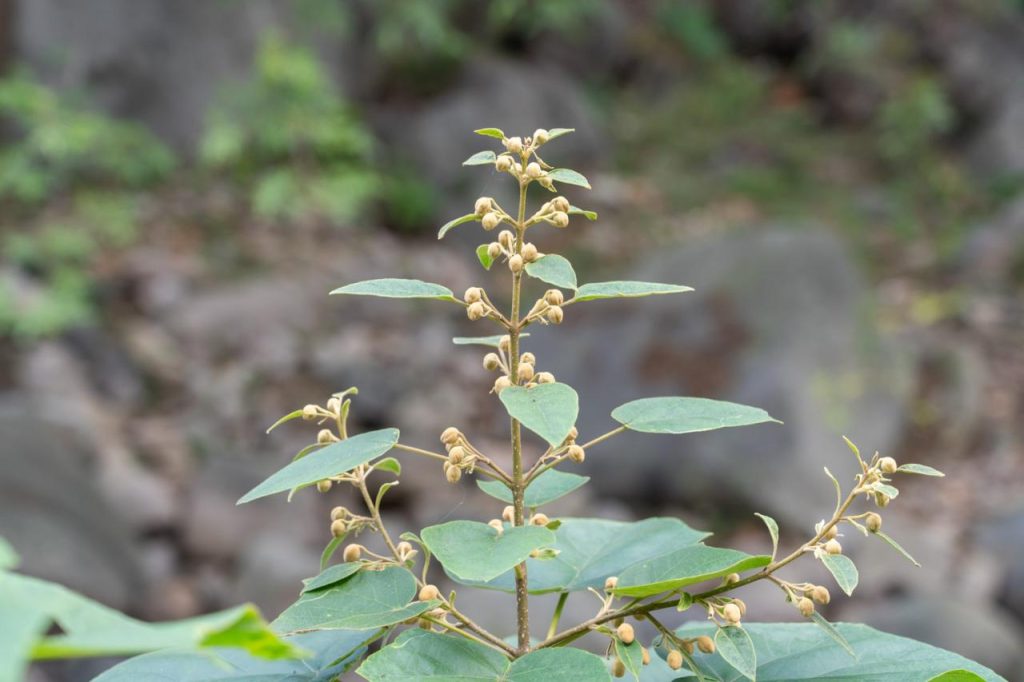
Soil and drainage
Pao Tong has high requirements for the soil. It is mainly manifested in soil fertility, soil layer thickness and looseness. If the soil is heavier or overwater, it will make Pao Tong poorly grow. Too dry soil can also make Pao Tong grow up.
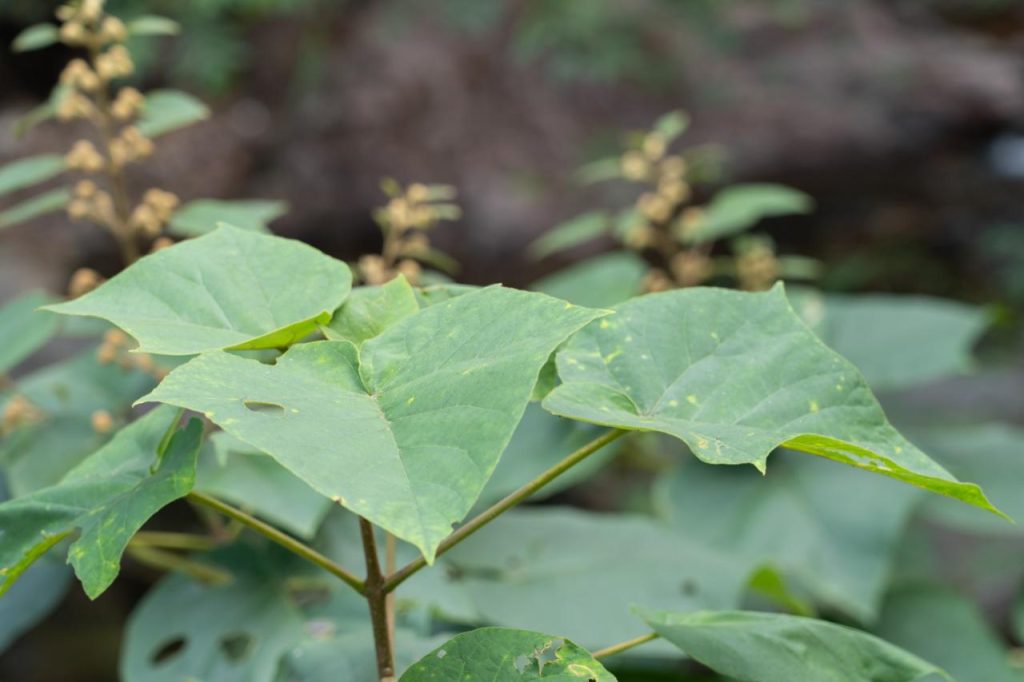
Pest
The pests of Pao Tong are mainly big bags, golden turtles, and diseases include anthracnose and black bean disease. The harm of golden turtles to Pao Tong is mainly that larvae will bite seedlings in the early spring. Control methods are mainly manually killing or poultry to eat them. Paulong is most suitable for being harmed by large bags of moths. It can use 3000 to 3200 times that enemies kill the medicinal solution for control. The prevention and treatment of anthracnose and black bean disease can mix copper sulfate and ammonium bicarbonate at a ratio of 1:10. After 24 hours of sealed, the seedlings are prepared to spray the seedlings with a good effect.
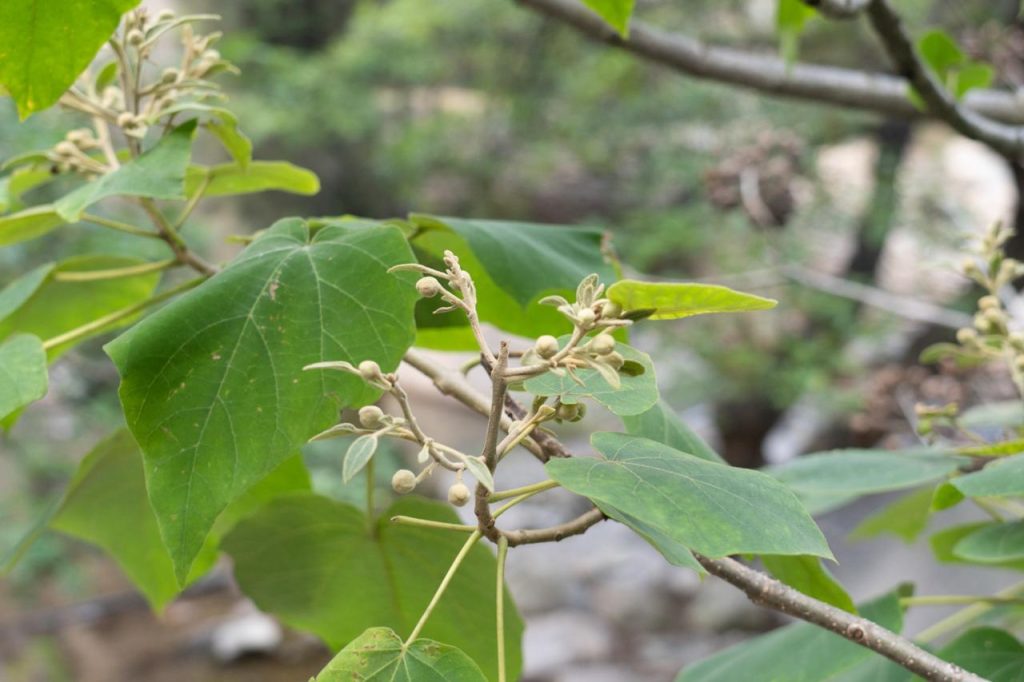
Growing and propagation
The breeding methods of Pao Tong mainly include root insertion, sowing, and roots.
Flowering and fruiting period
The flowering period of Pao Tong is from March to April, and the fruiting period is from September to October.
Related reading: Catalpa Care: Planting and Room for Growth.