Orchid care works best when the growing medium, light and watering match the kind of orchid you actually have. Identify the plant first; a terrestrial cymbidium and an epiphytic moth orchid do not use the same setup.
Identify the orchid first
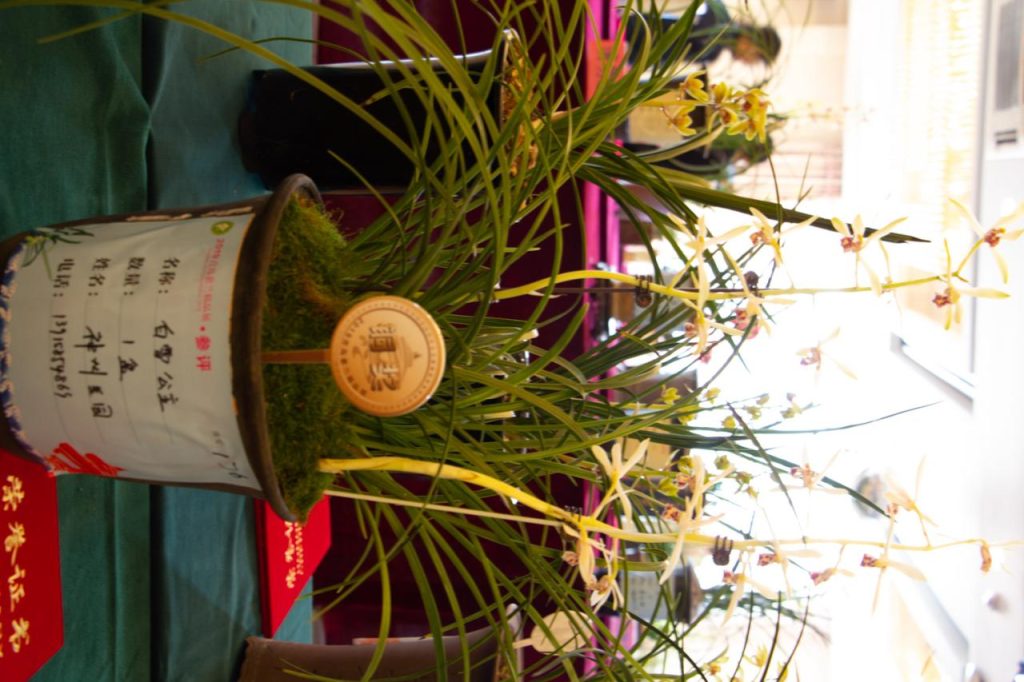
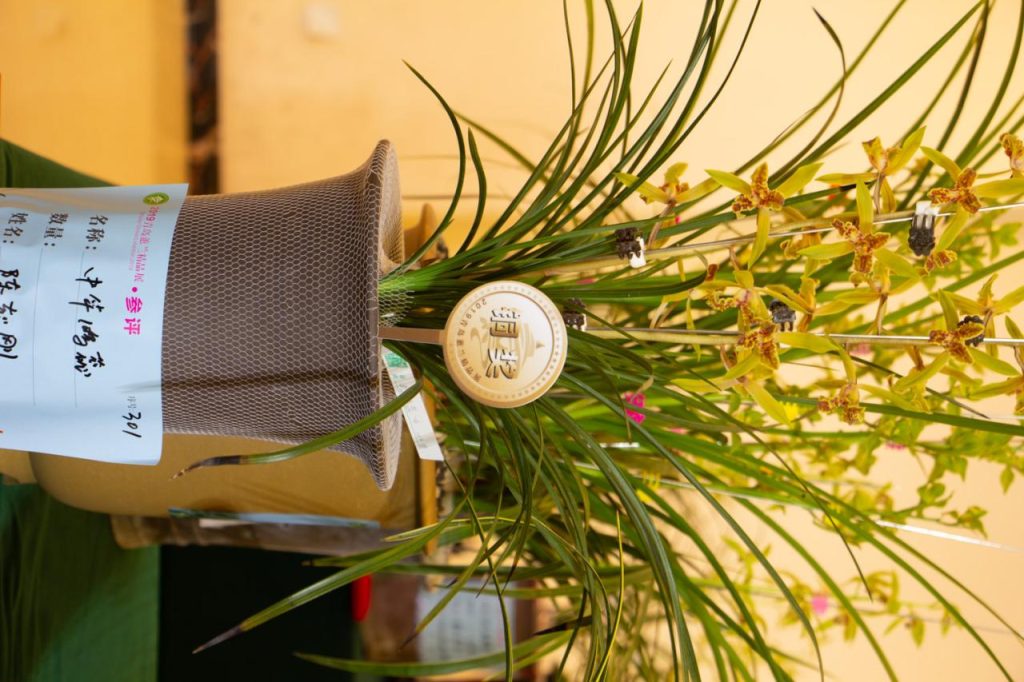
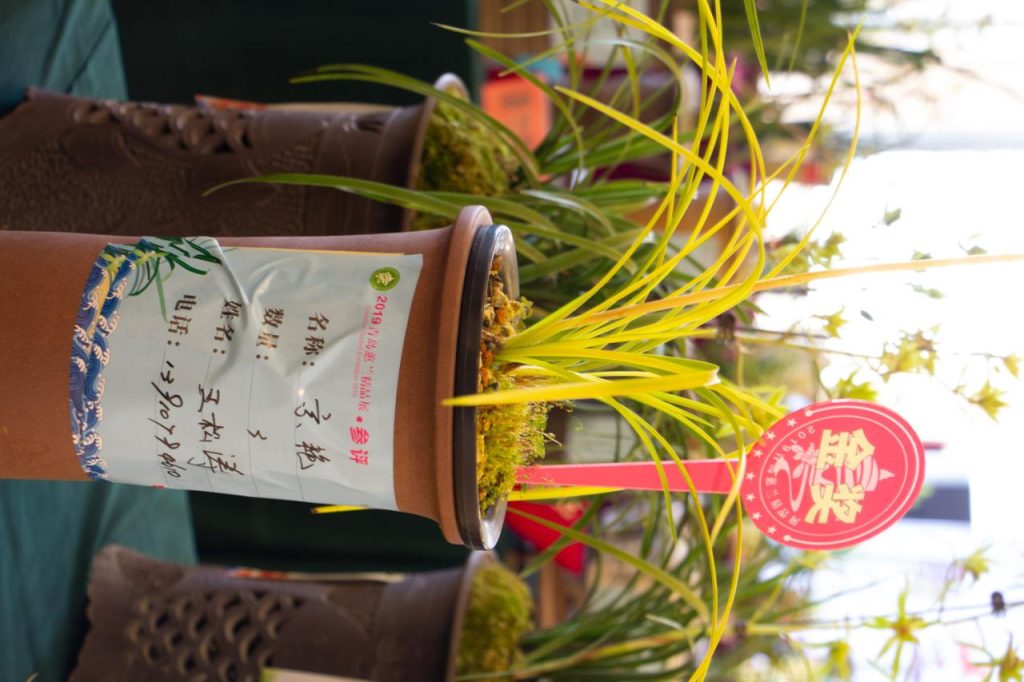
There is no single potting mix for every orchid. An epiphytic plant grown in coarse bark has a different root environment from a terrestrial cymbidium. Keep the nursery label, and use the named plant's requirements when deciding on light, temperature and growing medium.
Watch how the pot dries
Check the material around the roots rather than watering on a fixed weekday. A compact moss plug can remain wet after the surface looks dry. Water in a way that wets the root zone, then allow surplus water to escape. Do not leave the nursery pot standing in a filled decorative cover.
Change one condition at a time
If growth declines, review the roots, drainage and position before adding feed. A move into brighter light also changes the drying rate. Introduce new exposure gradually, maintain gentle airflow and keep notes on the next leaves and roots. Those changes provide more useful evidence than expecting an old marked leaf to look new again.
Related reading: Maxillaria Orchid Care: Roots, Moisture and Growing Space.