Alocasia safety questions need a correctly identified plant. Keep its material out of food use and consult a reliable reference rather than assuming flowers change its safety.
Identify the Alocasia
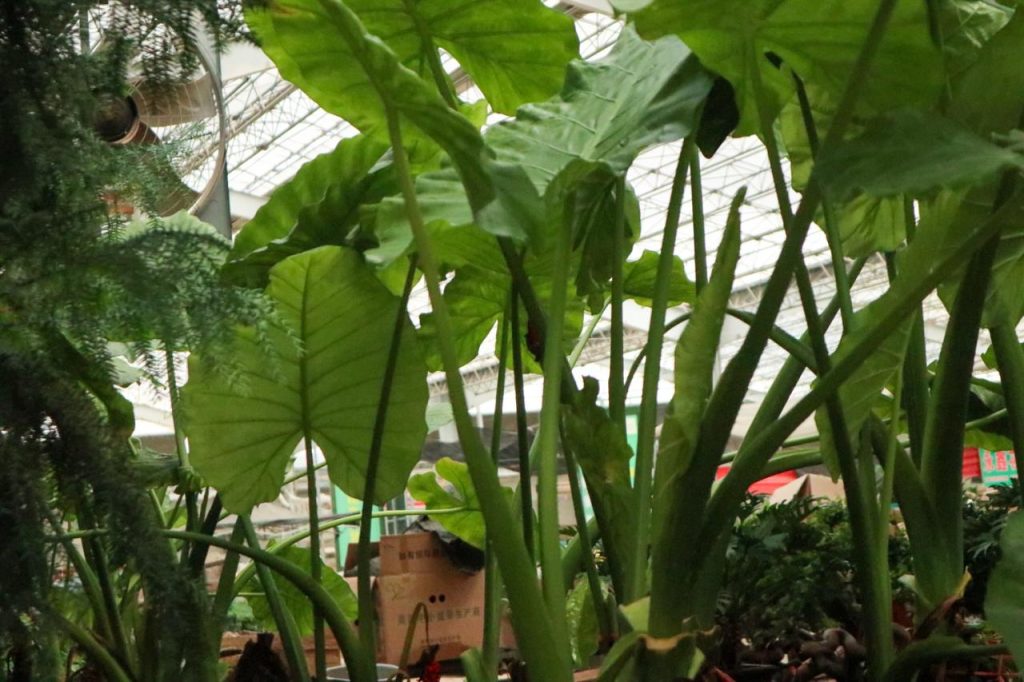
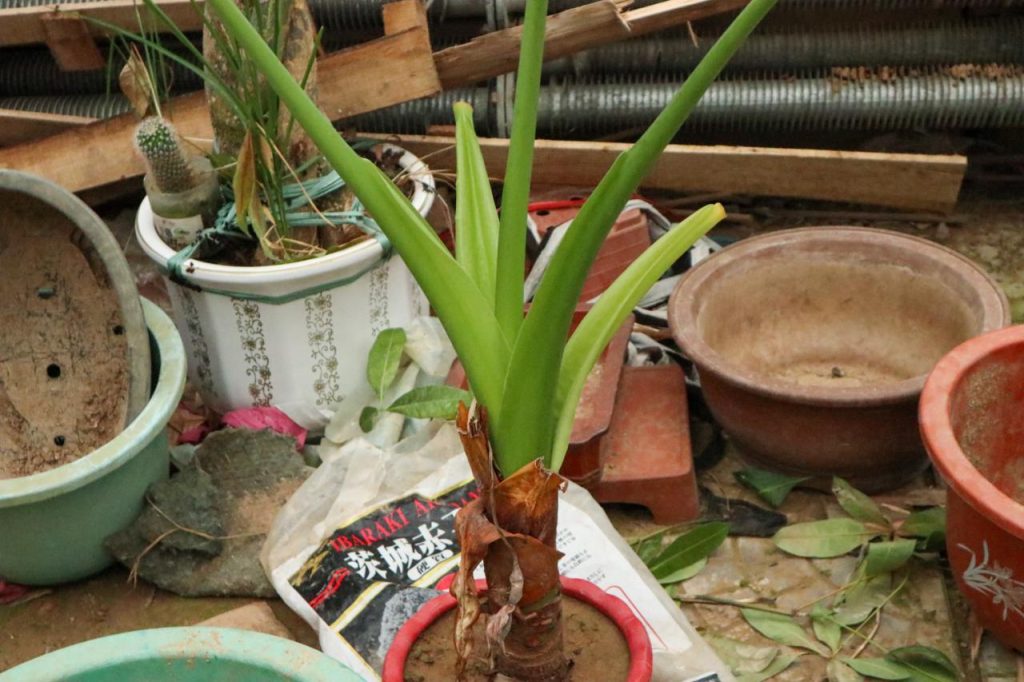
Dripping Guanyin is a translated common name associated with alocasias. Confirm the species or cultivar before applying a care guide. The presence of a flower does not turn the plant into a different safety category.
Treat it as an ornamental
Alocasias contain irritating plant material and should not be treated as food. Keep the label, choose a position appropriate to the household and use authoritative handling guidance for pruning or repotting. An ornamental display is separate from edible taro cultivation and preparation.
Avoid inaccurate room claims
Do not describe the plant as consuming the room's oxygen through daytime photosynthesis or reliably purifying a bedroom. Place it for suitable light, root conditions and access. A specific medical circumstance or suspected exposure needs appropriate professional advice rather than a blanket claim about all children or pregnant people.
Related reading: Alocasia and Colocasia: Features to Check.