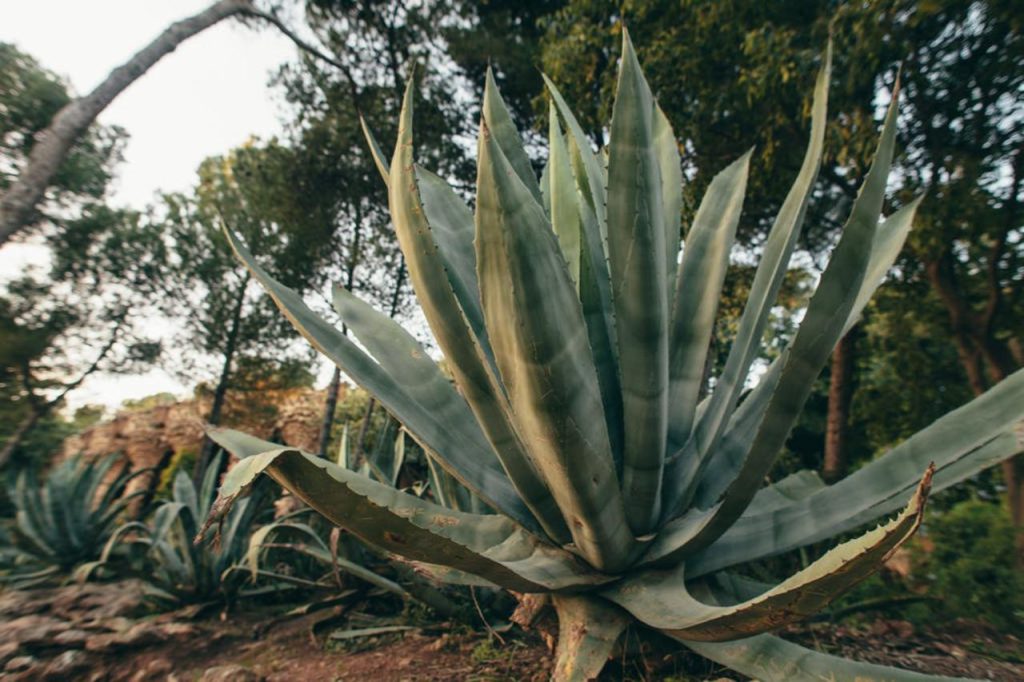
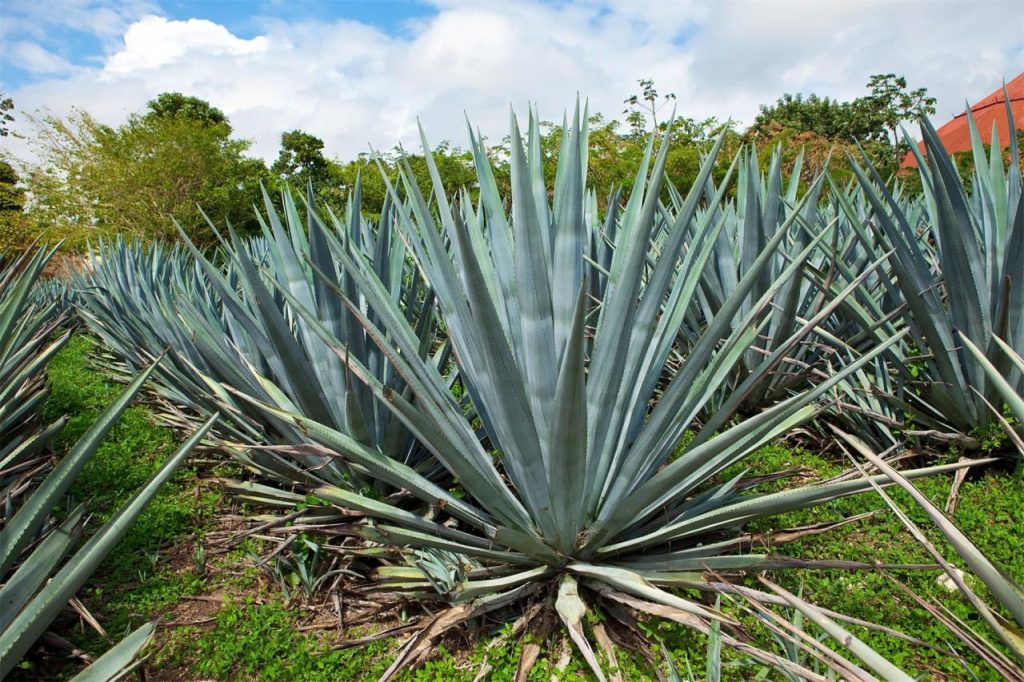
An agave’s strong rosette and slow development can inspire a personal message about patience or persistence. That is an interpretation of the plant, rather than proof of a traditional meaning shared by every agave.
What “century plant” actually tells us
North Carolina Extension explains that the common name of Agave americana reflects an old belief that it took a century to flower. Its account does not describe a fixed hundred-year wait. A common name should not be used as a precise schedule for a particular plant.
Flowering and the plant’s life cycle
The extension profile describes a tall central flowering stalk, followed by the death of the main flowering plant, with offsets developing at its base. That pattern can be discussed without saying that every agave species or every rosette in a clump behaves on an identical timetable.
Keep a legend tied to its source
A named historical text or identifiable community account is needed before retelling a story as an agave tradition. A botanical profile does not verify a tale about a warrior becoming the plant, nor does a shared Mexican setting make every agave story interchangeable.
Giving an agave a personal meaning
If you choose it as a symbol of patience, say so in the card. For a living gift, consider the mature size and spiny leaves as well as its appearance. The recipient needs room to grow the plant, not an expectation of a guaranteed flowering date.
Compare the identification features in agave and aloe vera.
Sources