A cushion of moss is one of the few green things that will live happily where almost no other plant is kept: cool, shaded, damp and slightly acid. It has no proper root system to draw on, which is why it drinks through its leaves and why a misting bottle does more for it than a watering can.
Light, heat and the seasons
Moss is a shade plant, and direct sun is the fastest way to ruin a patch. It wants a cool position with a good level of scattered light, and the early morning sun is about the only direct light it tolerates. In summer it needs shade and airflow; a window that blinds at noon is a better spot than a south sill.
Around twenty degrees gets it moving, and above twenty-five it grows noticeably better, which is why spring and autumn are the two seasons when a moss pot does something visible. Winter is the exception: once temperatures fall, bring the container indoors rather than leaving it out on a cold sill where it will freeze wet.
Water and air
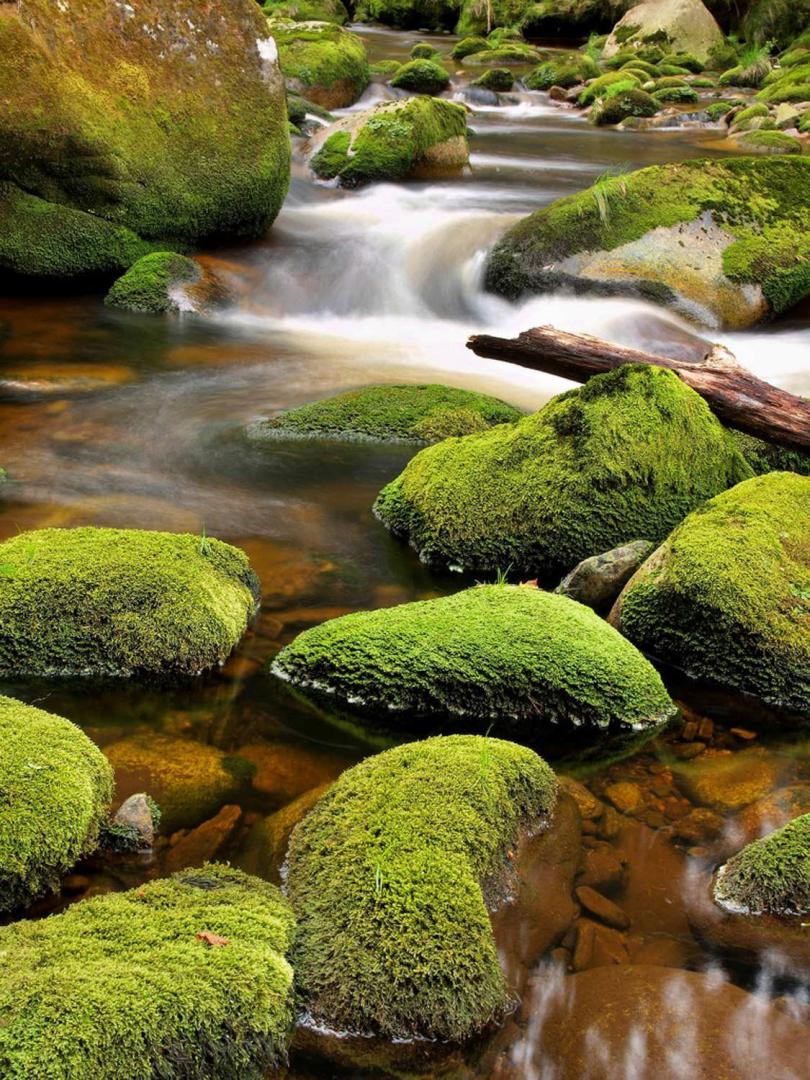
Moss likes a humid atmosphere more than it likes a wet substrate. Keep the air around it moist by spraying, and water the base so the surface stays damp without a layer of standing water sitting on it. A pot that has been flooded and then left to stew will lose the cushion from the middle outward.
The container solves most of this by itself. A closed or half closed glass vessel holds the moisture the plant needs and shows the moss from every angle at the same time, which is why moss cases work and moss on an open dry shelf usually does not. See the types of container for what drains and what only looks good.
Soil, or what passes for it
Acid is the requirement. Peat mixed with rotted leaf mould is the standard base, pressed fairly firm so the cushions can grip, and the surface should stay damp rather than soggy. If you are collecting moss from a wall or a wood rather than dividing a cultivated patch, sterilise what you mix it into. Disinfecting potting soil is a short job, one that prevents the algae and liverwort problems that turn a green cushion brown and hairy.
Division, the method that actually works at home
Spores are how moss reproduces in the wild and how nobody propagates it at home. The workable routes are division and the small bud-like shoots that appear between the leaves and stems during active growth.
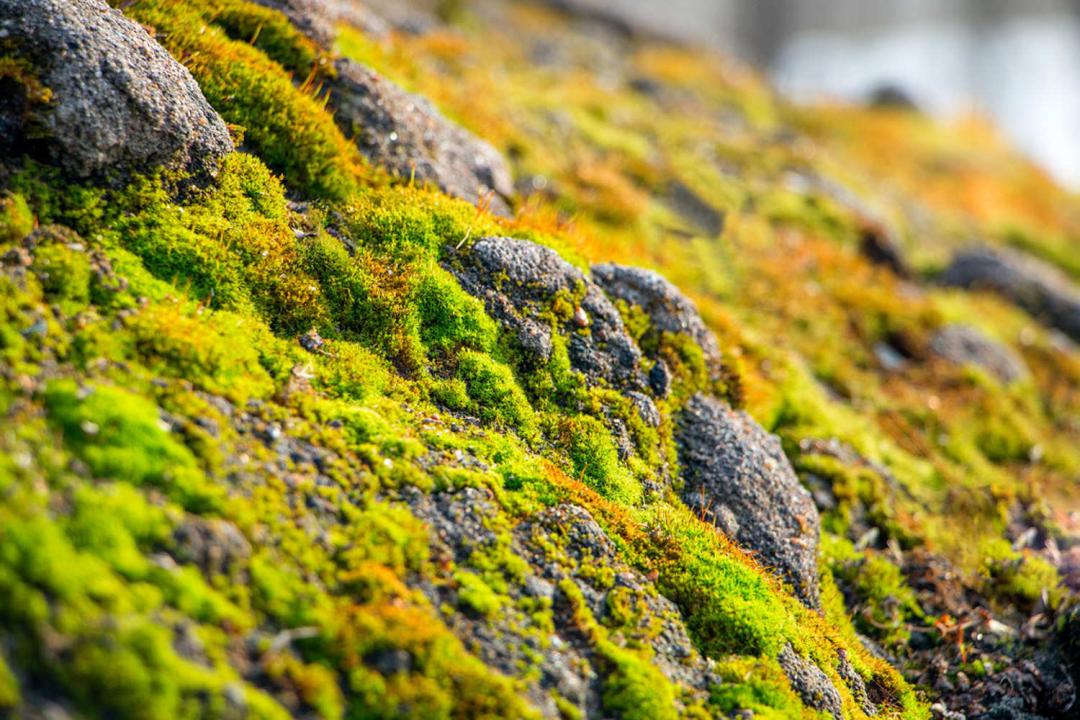
For division, pick the warm, wet, humid window, which is also when moss is growing. Lift a healthy cushion, pull it into pieces rather than cutting it, and press each piece onto prepared acid substrate; separate it from the parent clump so the fragments are not competing. Group several pieces together for coverage, keep the vessel closed and the surface damp, and within about a week the pieces have knitted to the base. After that they spread on their own.
The bud method is the same idea at a smaller scale. During the growth season, take the strongest young shoots from the edge of a cushion, set them into the mix, and hold the humidity high until they are independent. Both approaches are covered in principle at the five propagation cuts, with the difference that moss needs the air wet rather than the soil wet.
What kills a moss pot, in order: sun, a dry room, standing water at the base, and being left closed in a hot window over a holiday.