Lupins need a suitable root zone and drainage. Check the variety and local season before choosing a pot or planting site.
Soil, potted requirements
The soil, potted soil, is not longer, to choose soil loose, fertile. The northern region should choose the acidic soil, if the soil is alkaline, after treatment. Although the root of LuBihua is relatively developed, the requirements for soil cannot be neglected.
Rubing will take a month from seedlings to a plant, it is best to choose a little flower pot to promote root growth.
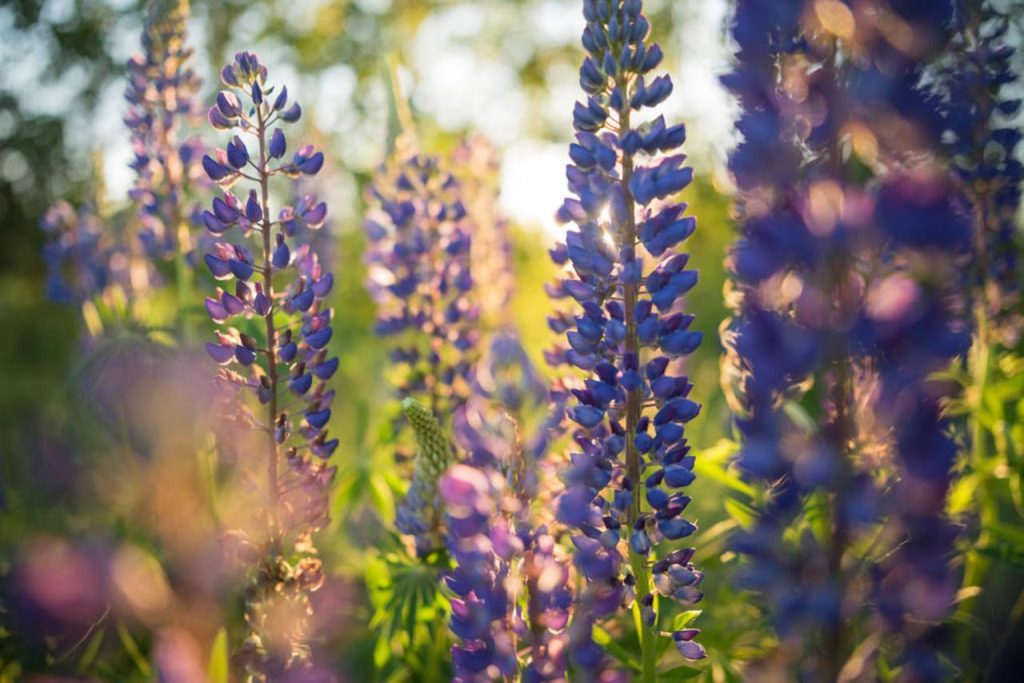
Sowing method
Rub icing flowers use a seeded method to sow in the Spring and Autumn Season.
Spring seeds, seed buds are faster, summer will enter the long-term period of life, but the summer temperature is high, the environment is hot, the heat weather will inhibit the growth of Lu'Bahua, resulting in reduced flowering, less in order, and poor ornamental effect.
In the fall, enter the winter, put it in indoor maintenance, to ensure the right temperature, grow rapidly, the flowering is early and good, and can flow in April or in June the second year.
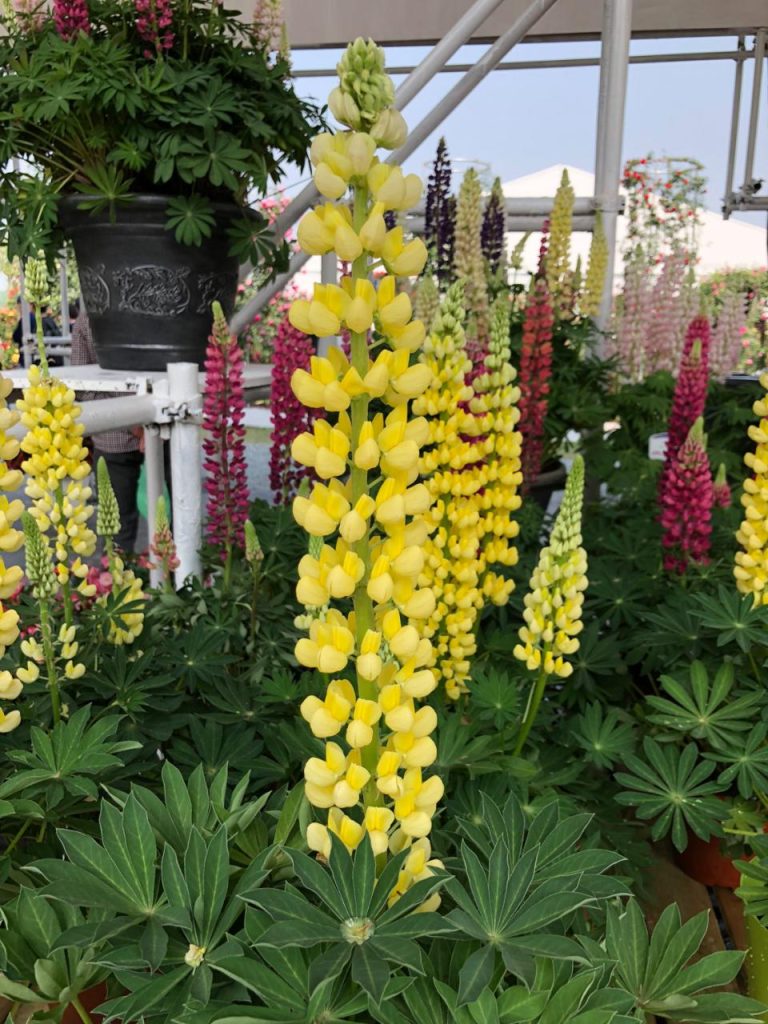
Daily maintenance
For wild varieties such as Lu Binghua, there is no family flower so delicate, often pouring the water, it will not die, as long as it is not too much, Rubing will grow very well.
During the growth of LuBihua, the residual flowers were cut off in a timely, pay attention to obscurity, ensuring the safety of Rubing Flowers, and other basics have no big problems.
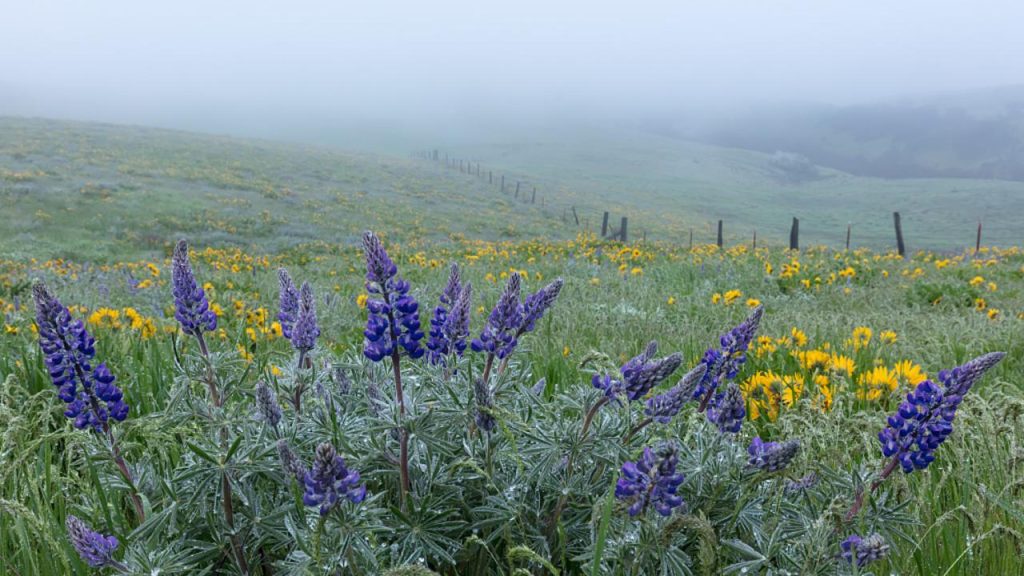
Cool environment
Rubland is a perennial plant, you can enjoy a cool environment, and you should pay attention to shaking in summer. It was found that the leaves were yellow and removed in time.
Cold
LuBihua has a certain cold ability, but all at 0 ° C, before the winter, in time, the potted plant is moved to the room temperature, the temperature is controlled at 5 ° C, and the blade is frozen.
Related reading: Lupin Types: Flowers, Seeds and Plant Names.