Water hyacinth needs care and containment suited to the plant and location. Check local suitability before growing or moving an aquatic specimen.
Check local suitability before growing
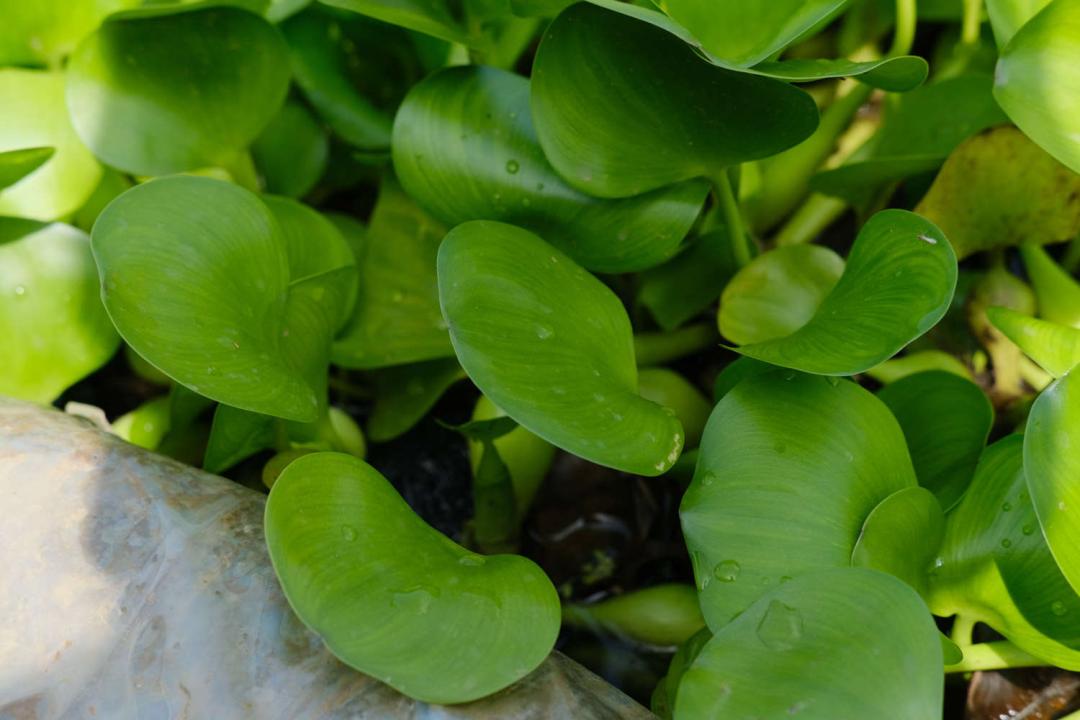
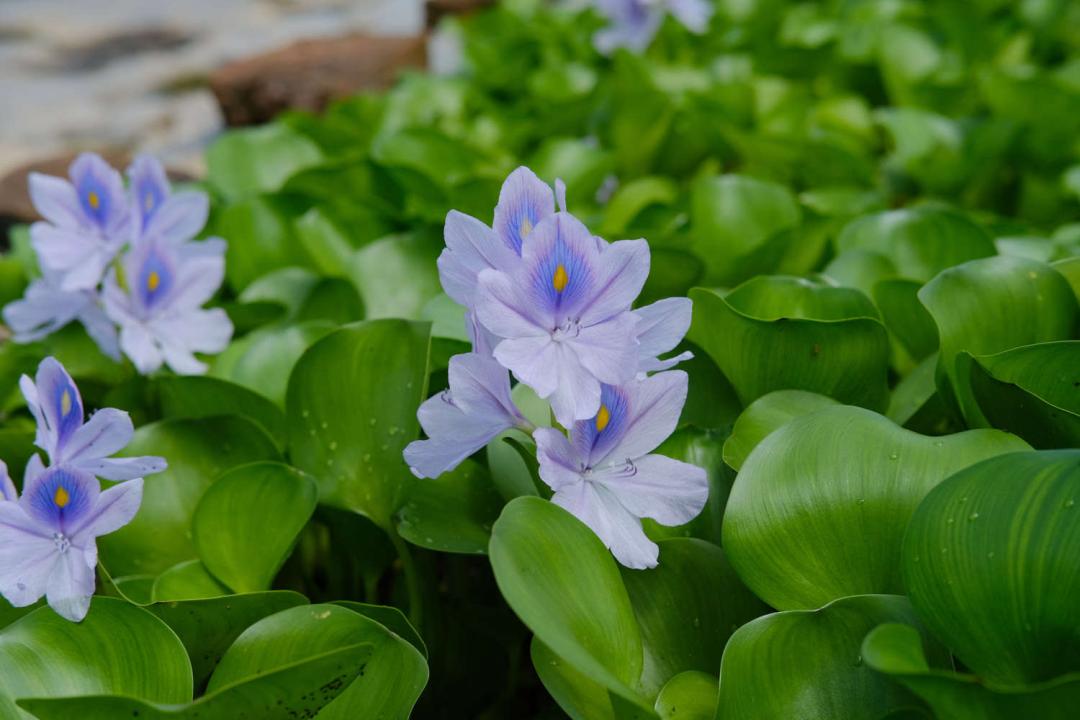
Water hyacinth, Pontederia crassipes, is a floating aquatic plant capable of rapid spread. Check current local guidance before obtaining or keeping it. Where it is restricted or discouraged, choose a suitable alternative rather than starting an outdoor planting.
Keep it completely contained
If cultivation is permitted, use a contained setup that cannot overflow into drains, streams or ponds connected to natural waterways. A container is useful only if fragments and daughter plants are also kept from escaping during cleaning or storms.
Understand the aquatic habit
Its roots hang in the water and its floating leaves support the rosette. It is not a conventional houseplant to be watered in dry compost. Light, temperature and water conditions influence growth, but encouraging maximum spread is not a sensible goal.
Dispose of surplus responsibly
Remove excess material before it crowds the container. Follow local disposal advice and never release unwanted plants into natural water. Keep removed growth away from drainage routes where viable fragments could be washed elsewhere.
Related reading
Water Hyacinth in Winter: Climate and Plant Identity
Horticultural reference
North Carolina Extension: Water hyacinth and spread concerns