Brake fern is the pale-variegated, upright fern of the office and hallway, and it is a genuinely tolerant plant provided two conditions are met. It wants indirect light and it wants the air around it damp. Everything else is detail.
Soil, pot and water
Adaptability is good, so the mix is not a strict requirement, but the fern does best in something fertile, moisture-holding and still open. Peat with loam works, and a drainage layer of broken crock or brick at the bottom of the pot earns its place. A plastic pot is acceptable here, since it holds moisture, and the plant is not one that needs the walls to breathe.
Watering runs on a simple rule: the compost should stay moist, and it should never sit in standing water. Through growth that means a drink every two or three days, and through winter simply enough to keep the mix from drying out. Fertilizer is weak and frequent, roughly a month during strong growth, with a base dressing at repotting and nothing concentrated at any time.
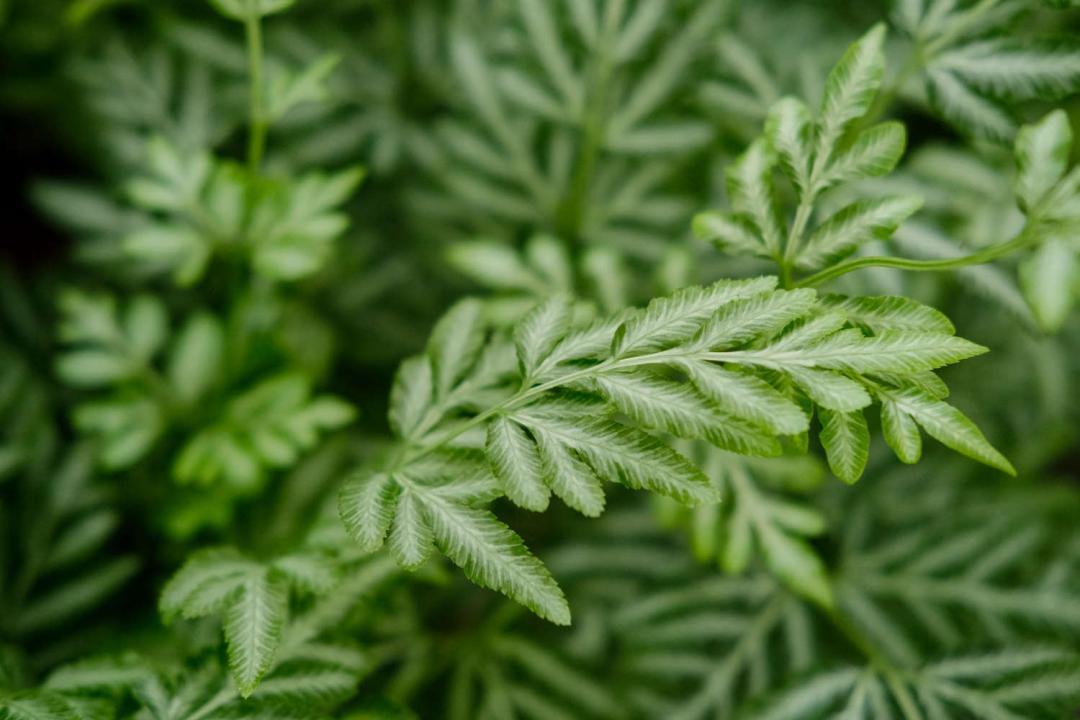
Light, heat and humidity
This is a semi-shade plant, and direct sun is the fastest way to ruin it: strong light contracts the fronds, bleaches them, and the plant never recovers the damaged ones. A bright position out of the sun is the answer, held all year.
Temperature runs 16 to 28 °C, with winter above 5 °C as the floor. Summer needs shade, air movement and syringing, which cools the plant as much as it wets it. Humidity is the requirement that most indoor positions fail: dry air browns the frond tips, and the only reliable correction is more moisture in the air rather than more water in the pot. Why the line between moist and waterlogged is where ferns are lost is the same argument as at the moisture line between watered and rotted.
Division, spore, and the winter yellowing
There will never be seed, because a fern does not make any. Increase happens one of two ways. Division is the ordinary route: a full pot is tipped out in the growing season and pulled apart into sections each carrying roots and crowns. The other route is spore, which is slower and less predictable, and the general principles of which part of a plant carries on are at the types of cuttings. A bark or peat based mix suits both methods, as discussed at using bark as a growing medium.
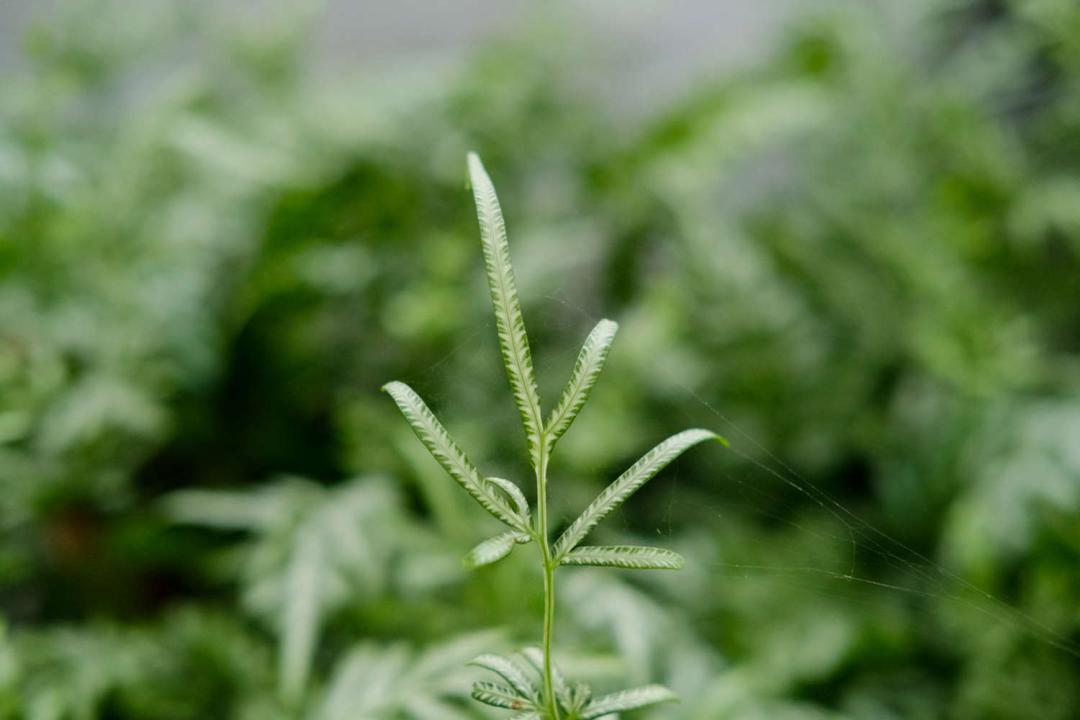
The last point is a winter one. When a fern is cold it yellows a lot of frond at once, and the instinct is to cut all of it back. Wait. That yellowing is the plant withdrawing from a cold, dry position, and cutting it off in the middle of winter removes growth the plant will need when warmth returns. Move it somewhere warmer and brighter instead, and trim in spring. Pests follow the usual house list, aphids and mites mostly, and root rot follows over-watering rather than any organism.