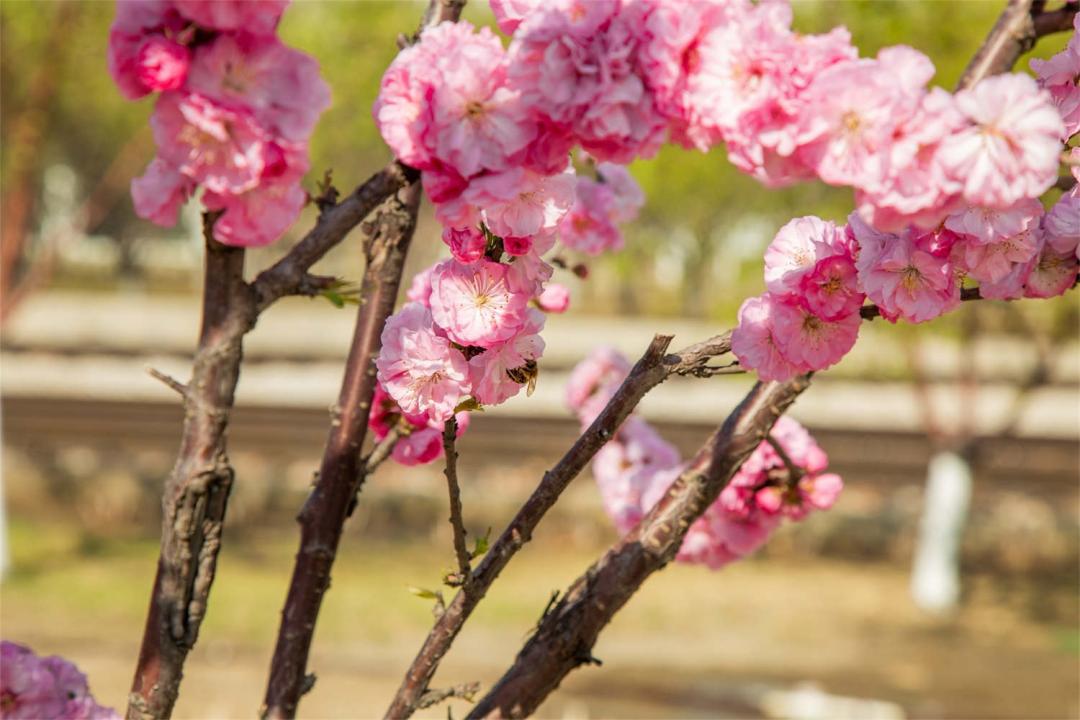
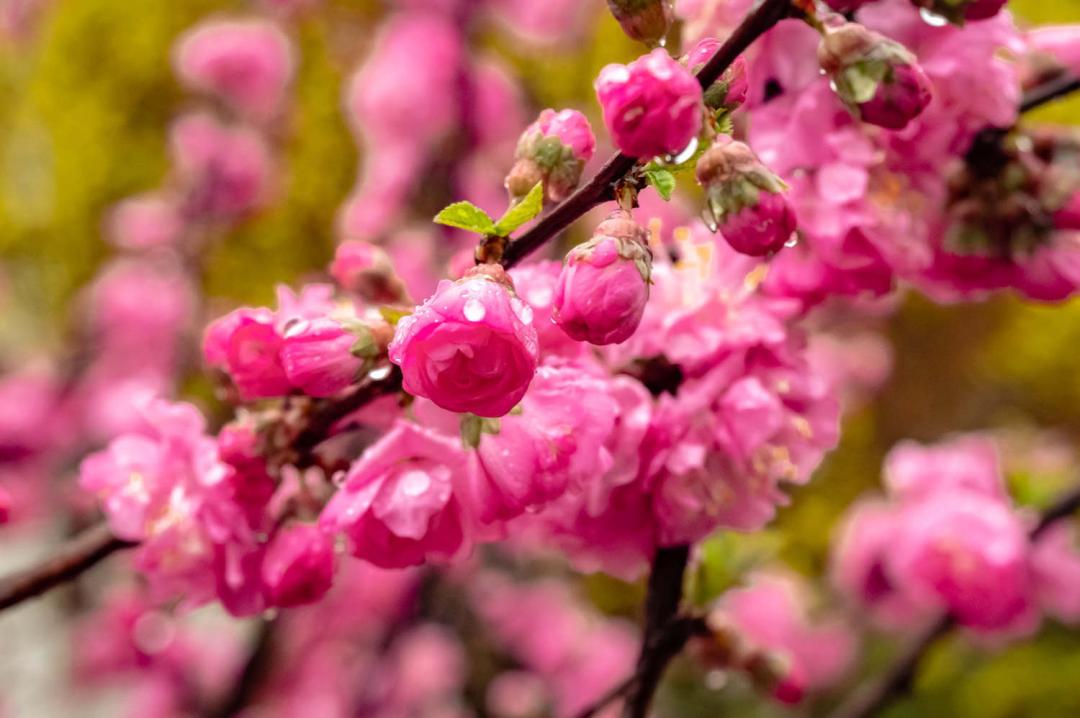
Flowering almond needs room for its woody branches and roots. Check its cultivar and bud-forming habit before choosing a pruning routine.
Identify the flowering almond
Flowering Almond can refer to ornamental Prunus forms with different size and growth habit. Keep the species and cultivar label when planting. An ornamental flower display does not establish that any fruit or seed is intended for eating.
Choose an open site
Give the crown useful light and space for its natural framework. Soil should drain after rain rather than remaining saturated around the roots. Plant at the existing root depth and leave the trunk clear of mulch.
Establish before reshaping
Check the nursery root ball during dry weather and water deeply when needed. Avoid heavy pruning immediately after planting unless damaged branches require attention. A newly moved shrub needs healthy leaves and roots to settle into its position.
Protect the flowering wood
Many familiar flowering almonds bloom on established growth, so pruning at the wrong stage can remove the next display. Confirm the cultivar's habit and local pruning guidance. Remove dead or diseased material with clean tools and avoid indiscriminate annual shearing.