Food waste and cooking oil do not make a dependable drainage layer. Keep pot drainage clear and use suitable finished compost rather than burying raw scraps among roots.
Keep drainage functional
A pot needs a suitable growing medium and an outlet for excess water. Layers of kitchen scraps, cooking oil or raw food do not provide a dependable drainage system. They can make the root zone harder to inspect and maintain.
Compost outside the growing pot
Suitable plant scraps can be processed through a managed composting system. Use finished material in an appropriate way rather than treating a planted container as a small fermentation bin. Follow local guidance for oils, dairy and other unsuitable backyard-compost ingredients.
Feed for a reason
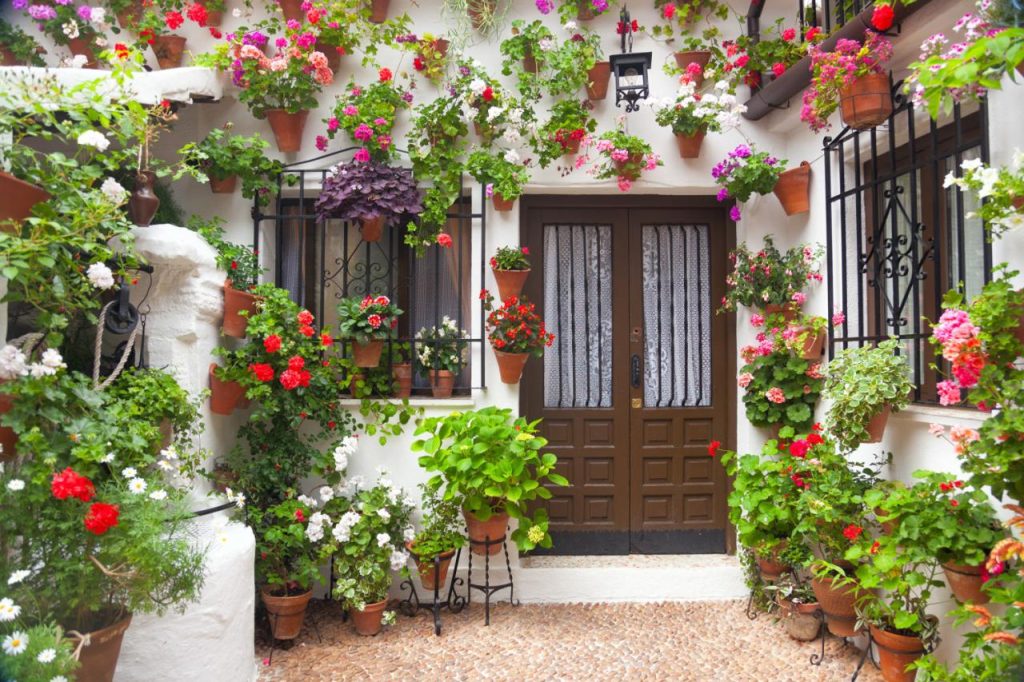
If a plant needs nutrients, use a suitable labeled feed at its recommended rate. Check light, moisture and root health before adding more material. A thick green display in a photograph does not prove that the buried scraps caused the growth.
Related reading: Improving Soil Fertility: Compost and Measured Inputs.