Gardenia has a reputation for being fussy that is really a reputation for needing four conditions held at once. Miss any one of them and the plant stops flowering or yellows, and the yellowing is usually blamed on water when the actual cause is the soil or the feeding.
Soil, the non-negotiable one
This is an acid-loving plant, and the mix should sit between pH 4.0 and 6.5. Anything neutral or limy produces the same result: a green-veined yellow leaf and no buds. Alongside acidity the mix must be loose, fertile and open enough that the roots can move air, since a compact gardenia compost is a plant that stalls whatever the pH reads.
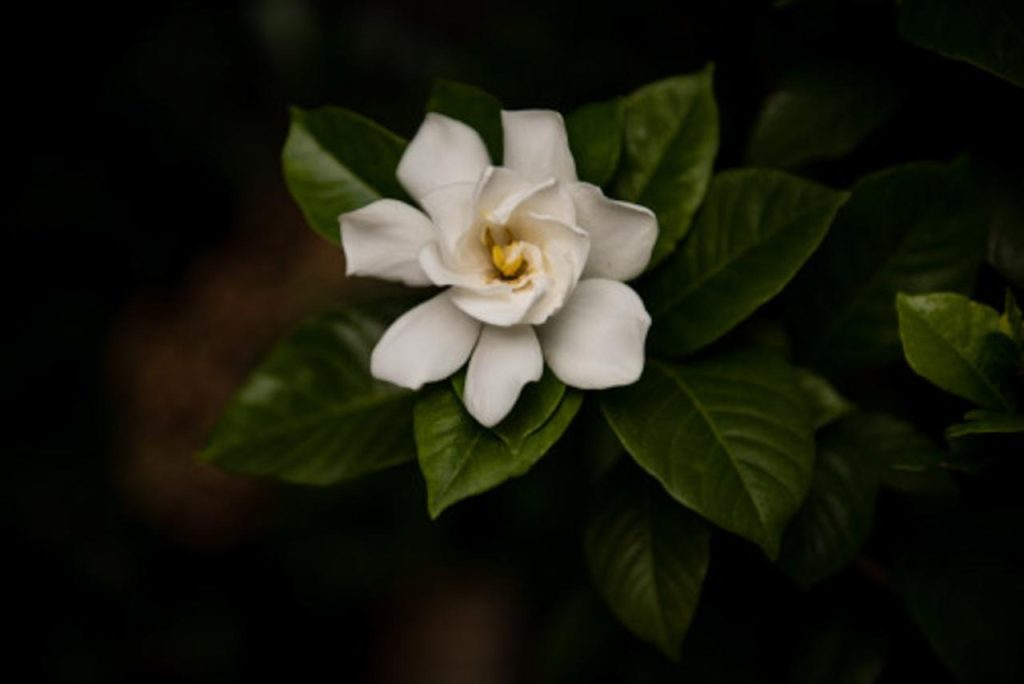
Temperature and light
Eighteen to twenty-two degrees is the range it grows best in, and it is uncomfortable above or below that, so winter means keeping the draught off and summer means ventilation rather than more water. Light is wanted generously, and spring and autumn are the seasons to give all of it there is, outdoors if possible. Midsummer is the exception: direct exposure scorches, the leaves go yellow, sunburn spots appear and the foliage falls, so summer goes in bright shade.
Winter wants the plant in indoor sun with the watering cut back, since cold soil and a wet pot together is how a house gardenia gets frost damage.
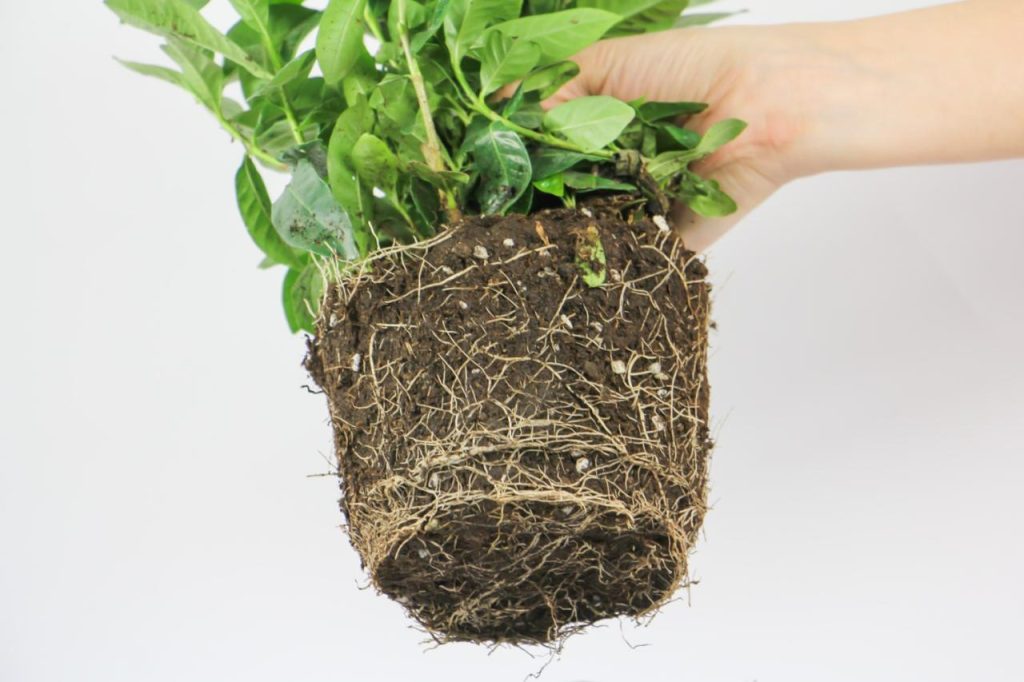
Water and humidity
Even moisture through the growing season, plus humidity around the leaf, which is what the spraying is for; a gardenia in dry air drops its buds. Watering through winter should be reduced to keep the mix barely moist rather than allowed to stay wet.
Feeding, with one hard stop
Growth and flowering both run on fertilizer, and the strong growth period is when it matters most. A monthly application of bean cake or peanut bran is the basic routine, or cake-water every two weeks through active growth. Before budding, shift to phosphate and potassium. Then stop once the buds have formed, because a strong feed at that stage burns the roots and the buds go black rather than opening. Gardenia will not forgive concentrated fertilizer at any point, and a splash against the stem should be rinsed off.
On alkaline ground, or where a pot has gone hard and salty with age, iron sulfate is the corrective, and it also keeps the mix from compacting and turning limey again.
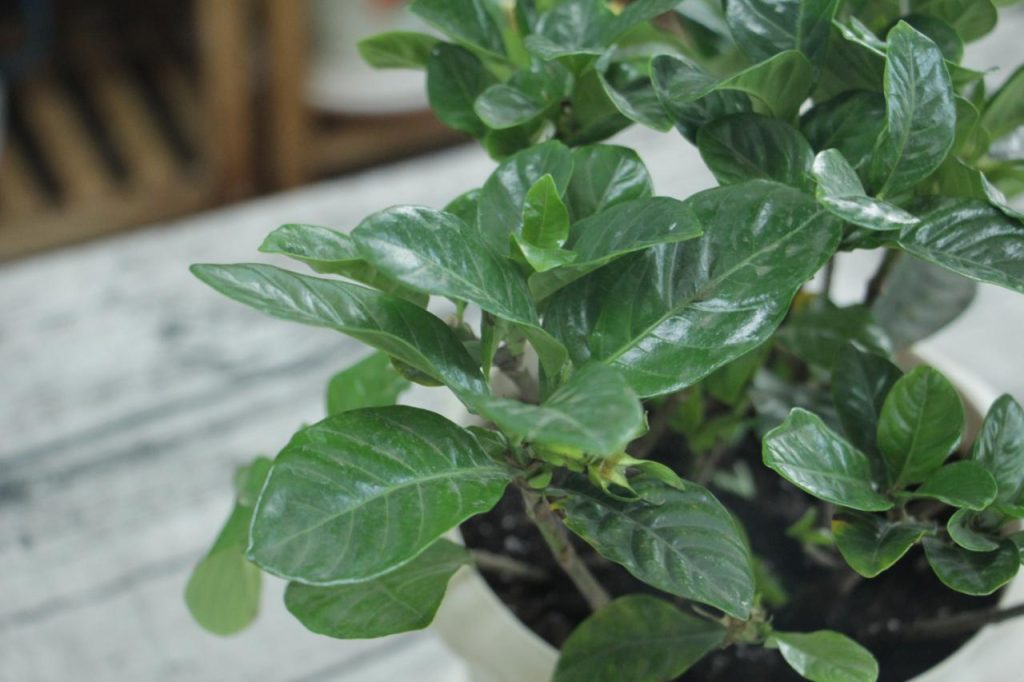
Which leaf pattern means which shortage is set out at reading a yellow leaf, the roles of the three main elements at nitrogen, phosphorus and potassium, and the case for a slow organic base rather than a strong mineral one at organic versus inorganic fertilizer.