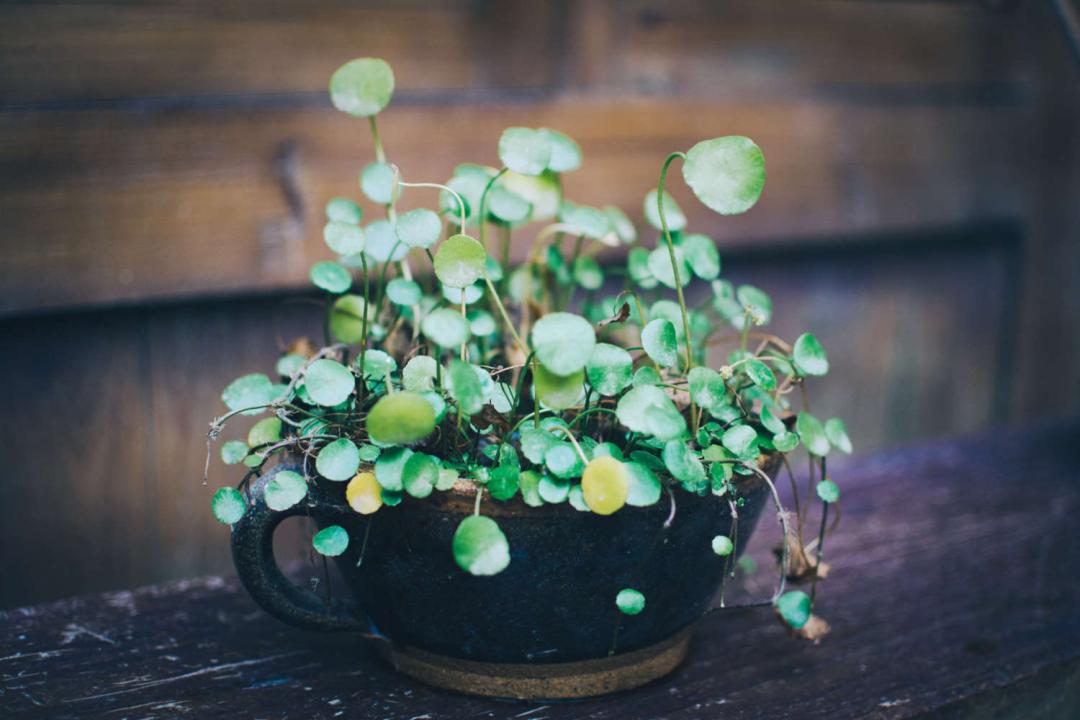
“Pennywort” is a common name, not a complete identification. A small leaf, a divided outline or an aquatic display should be recorded as a feature rather than treated as a species name.
Three documented examples
- Hydrocotyle verticillata: round, shield-like leaves, with the stalk attached beneath the blade.
- Hydrocotyle sibthorpioides: a creeping plant with much smaller leaves described as kidney-shaped to angular.
- Hydrocotyle leucocephala: an aquatic creeper with kidney-shaped leaves and a conspicuous incision toward the stalk.
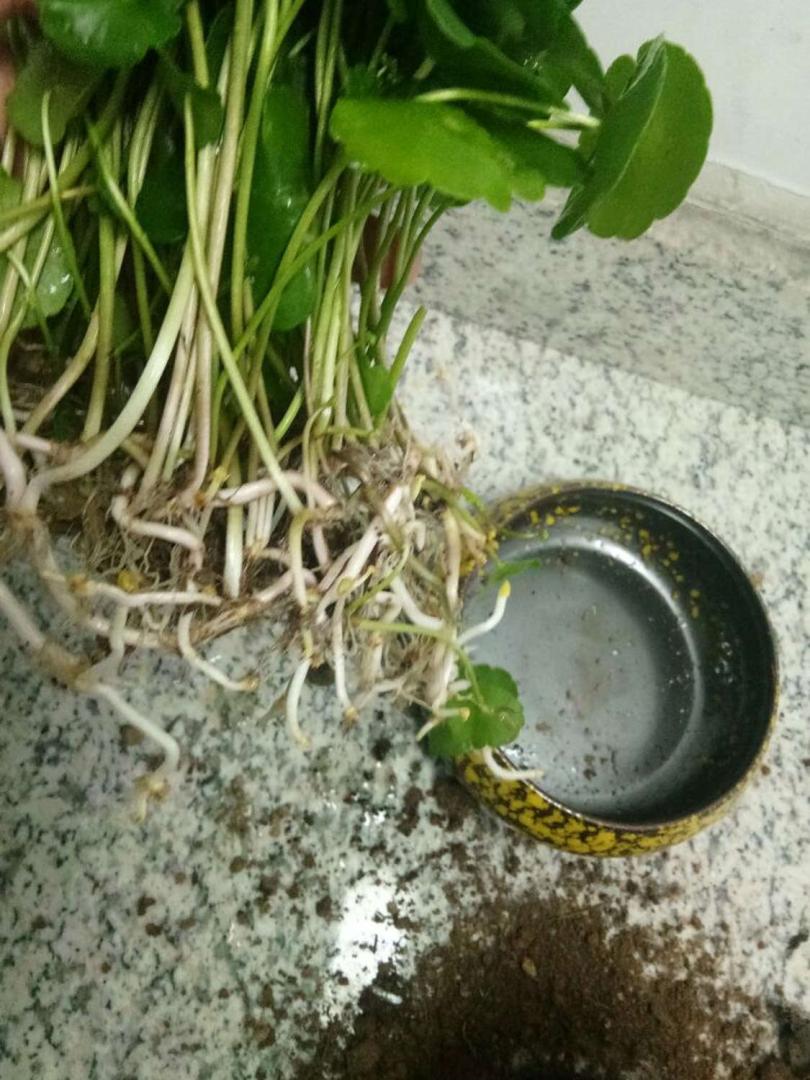
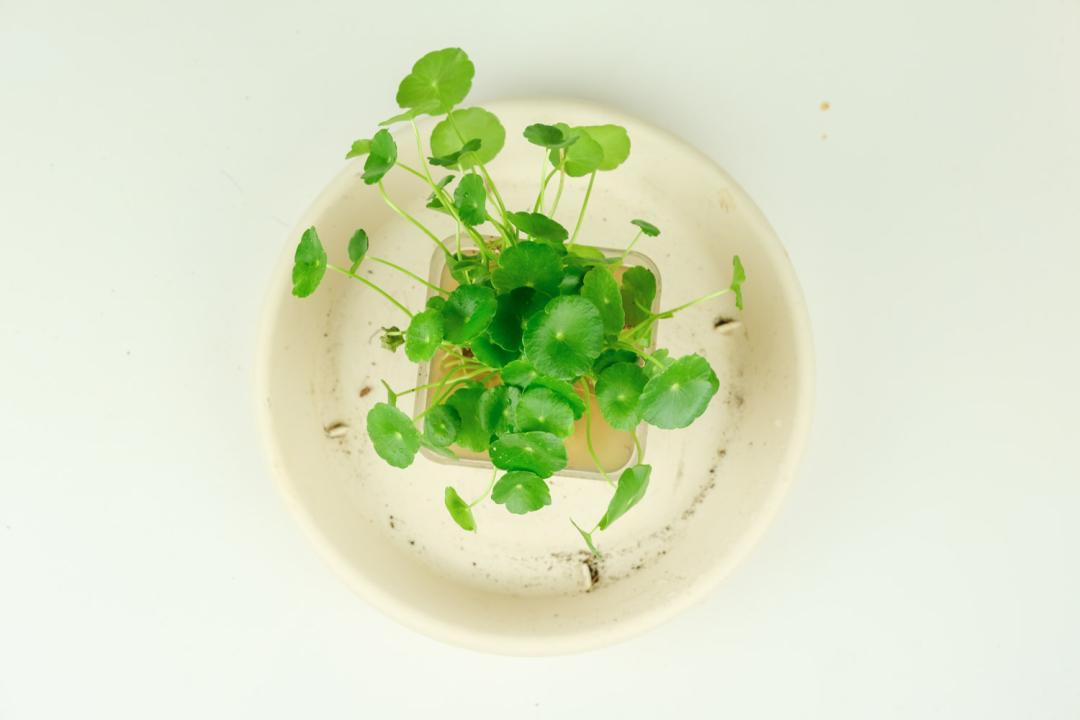
These descriptions come from NParks species records. They illustrate useful comparisons; they do not authenticate the unlabelled specimens in a mixed nursery collection or every image in an older gallery.
Make a usable identification record
Photograph the whole plant, a mature leaf from above and below, and the stem where leaves join it. Include flowers when available, the supplier’s label and the growing arrangement. Retain the original wording if you seek help with a translated name.
Choose care after naming the plant
Use the matched species reference for light and root conditions. Do not transfer an aquarium routine to an unidentified pot simply because the leaves look similar. An ornamental comparison also provides no basis for eating a plant or making a disease-treatment claim.
For applying the identification to a container, see Pennywort Potting Mix: Plant Identity and Moisture.
Photographs for comparison