Ginkgo cultivars differ in mature shape and other traits. Keep reliable nursery records rather than selecting a tree from seed descriptions alone.
Buddhist ginkgo
That is, long fruit, weighing about 3 grams, the seeds are the shape of the eggs, the nuclear is long and sharp, and the kind of kernel is sweet.
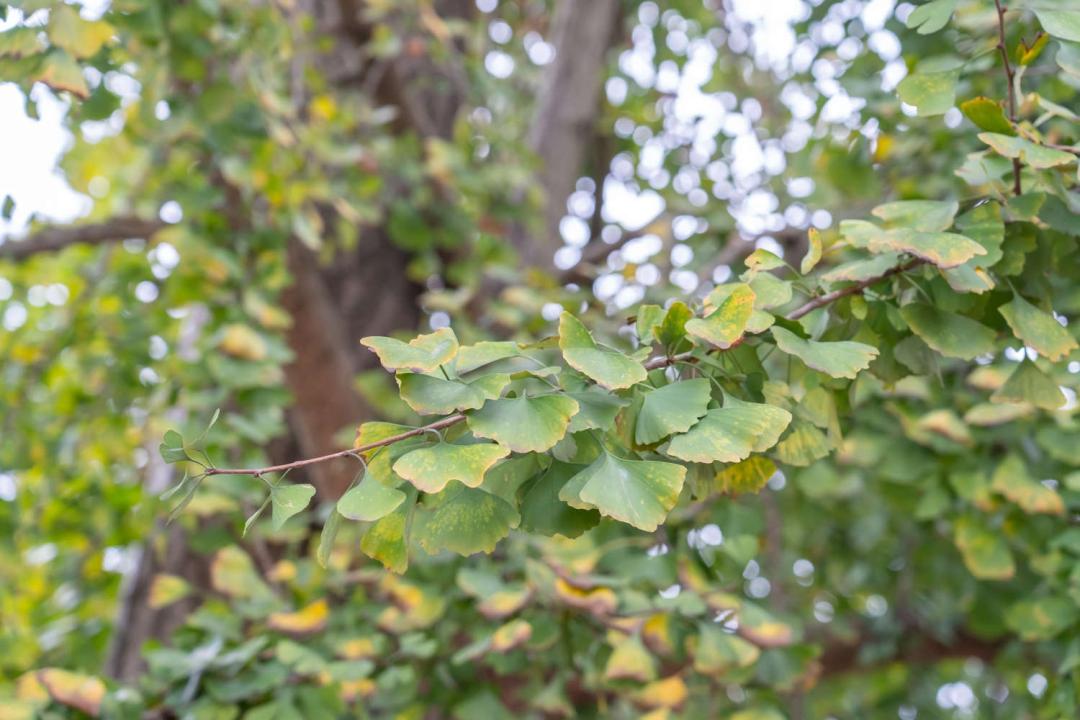
Plum nucleus ginkgo
That is, the ginkgo, weighing about 2 grams, the shape of the seeds is round or approximately heart shape, the top of the seeds is slightly concave, the nucleus is ovate or wide oval, slightly flat, and the seed is bitter. The advantages.
Ma Ling Ginkgo
In the middle, the form and quality of this type of variety are between the above two categories. Seed characteristics are shown in the top of its raised small tip, which is similar to that of the plum nucleus, and its nucleus is similar to the bergamot class. Among the above three categories, the Buddhist ginkgo has the strongest cultivation, while the nucleus is primitive.
Tongzi
For cultivation variants, it is produced in Xing'an, Guangxi. The seeds are large, the flat shape, the nucleus is close to the round, the apex is wide, the dull round is not sharp, the base is wide, the ridges on both sides are significant, and the bottom of the bottom is fishtail.
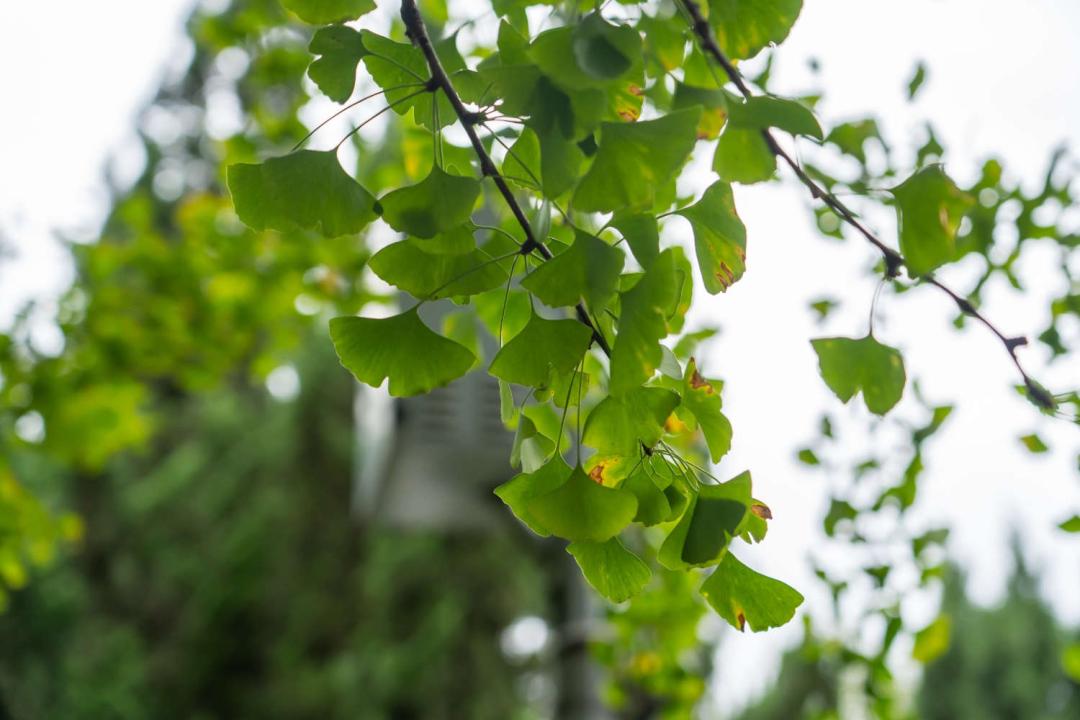
Malaysia bell
It belongs to cultivation variants, and its origin is Zhuji, Zhejiang. The seed shape is rounded, the top is blunt and raised, the base is flat, its nuclear hypertrophy is large, oval, the apex is blunt and the base is wide.
Related reading: Ginkgo Bonsai: Roots, Seasonal Growth and Training.