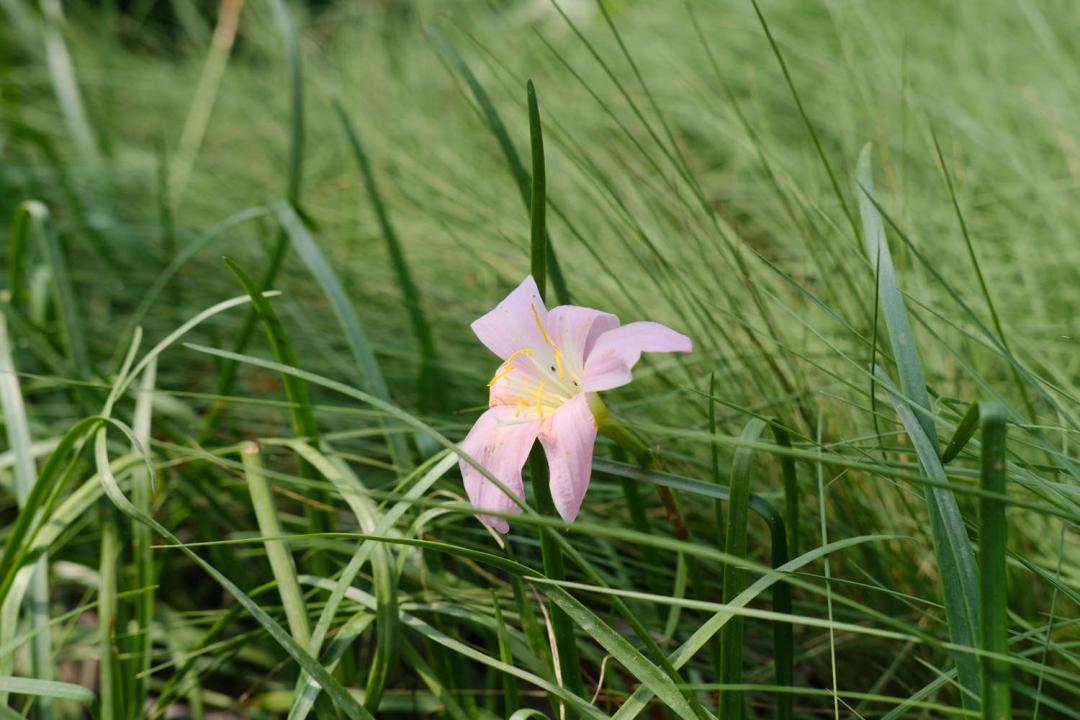
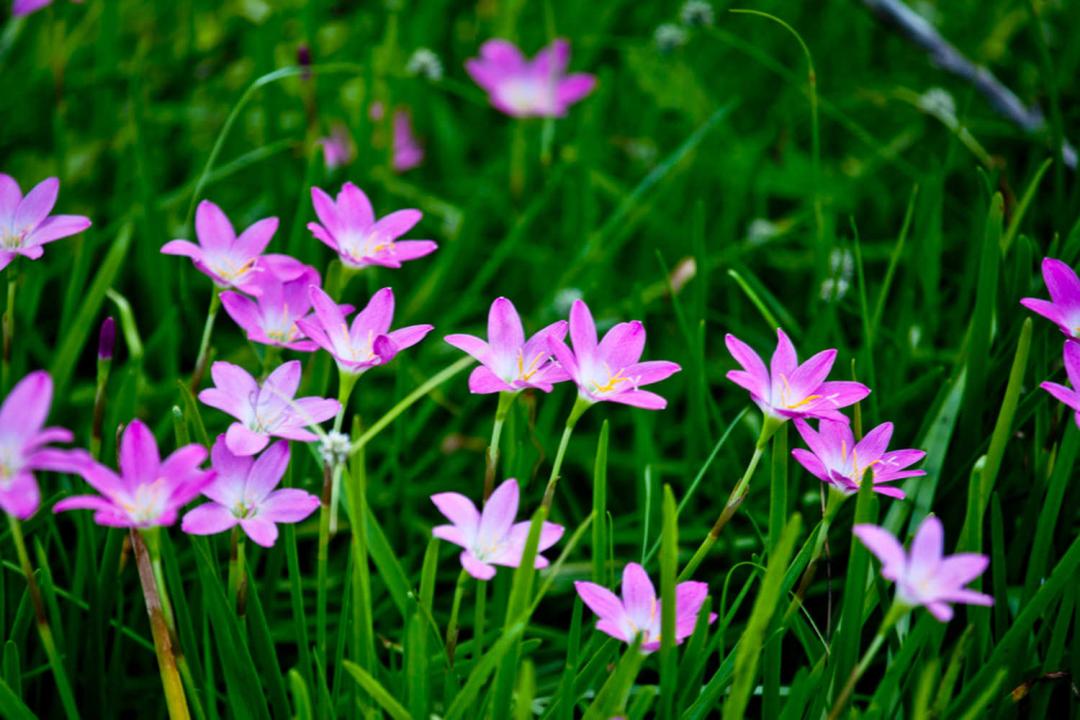
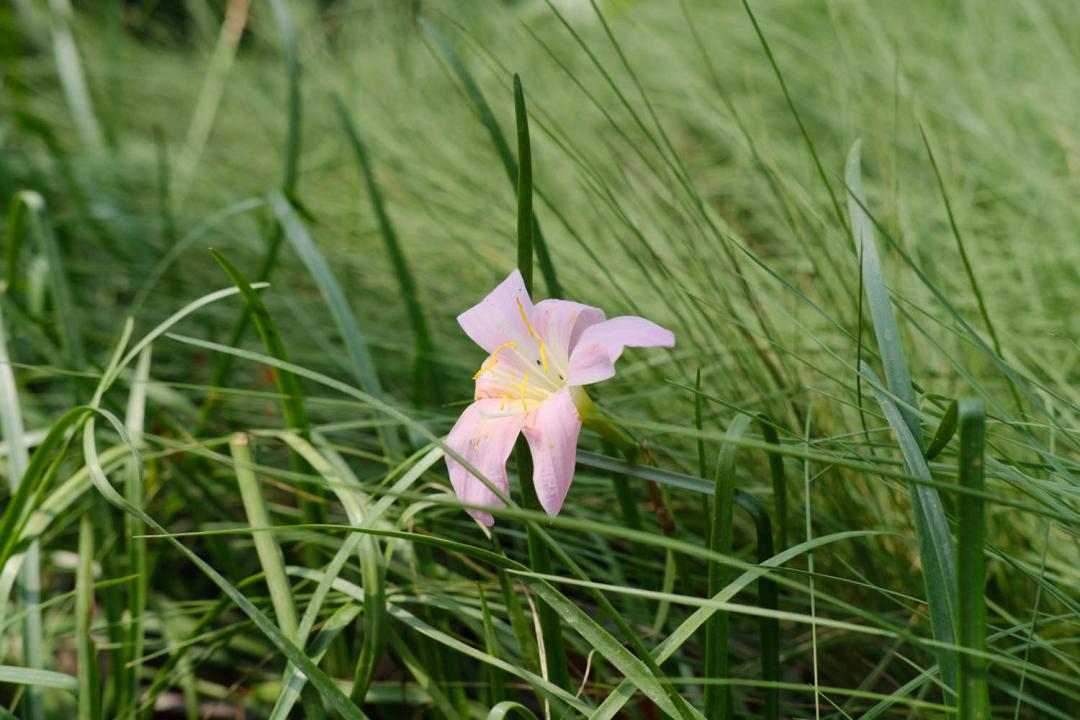
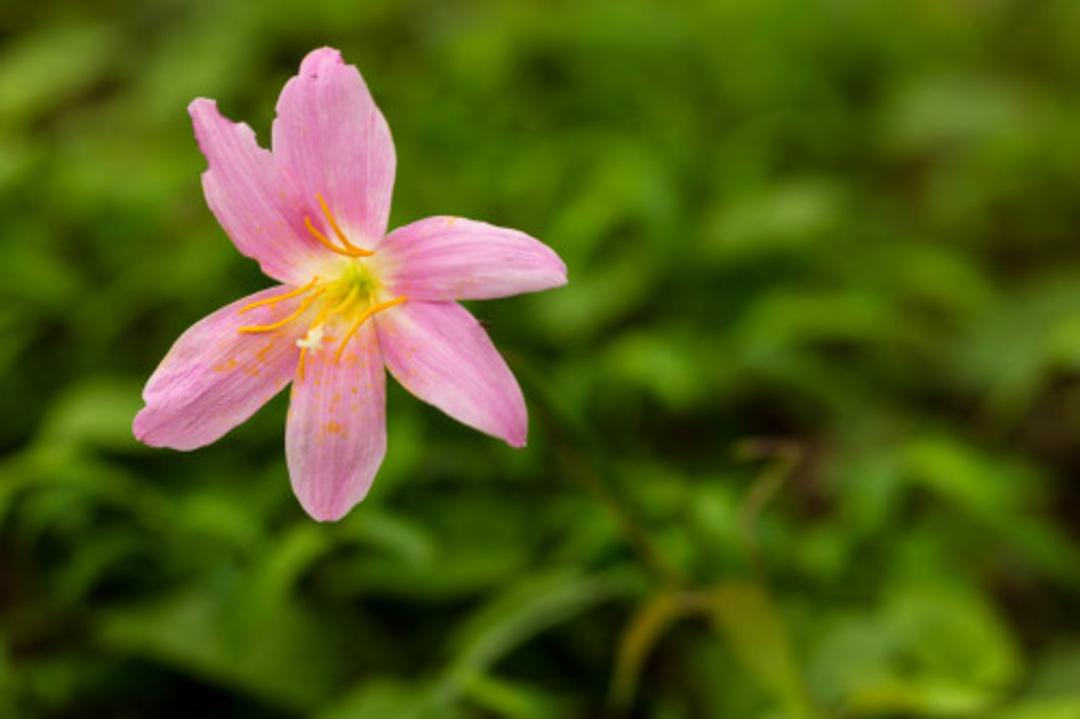
Rain lilies can flower after changes in moisture during active growth. The response varies by species and conditions, so rainfall alone does not guarantee buds.
Rain is only part of the signal
Rain lilies can flower after changes in moisture during their active season, but a watering event does not guarantee blooms. Keep the species or cultivar label and consider bulb maturity, light and growing conditions before increasing water repeatedly.
Grow healthy leaves
Provide useful sunlight and a draining container or garden position suited to the identified plant. Water active roots as conditions require. Retain green foliage after flowers fade, allowing it to replenish the bulb rather than cutting it away immediately.
Avoid a permanent reservoir
A name associated with rain does not mean the roots should remain waterlogged. Check the root zone before watering again and let surplus escape. A soft bulb or collapsing foliage in wet medium needs inspection rather than another soaking to trigger flowers.
Adjust through the season
As growth naturally slows, review watering and local temperatures. Divide crowded clumps when appropriate, preserving sound bulbs and roots. New divisions may need establishment before their next display, and fertilizer cannot replace the time needed to develop mature flowering growth.