Buddhist pine is a conifer, so its reproductive structures differ from petaled flowers. Confirm the plant's label when interpreting new growth.
Cones rather than ordinary flowers
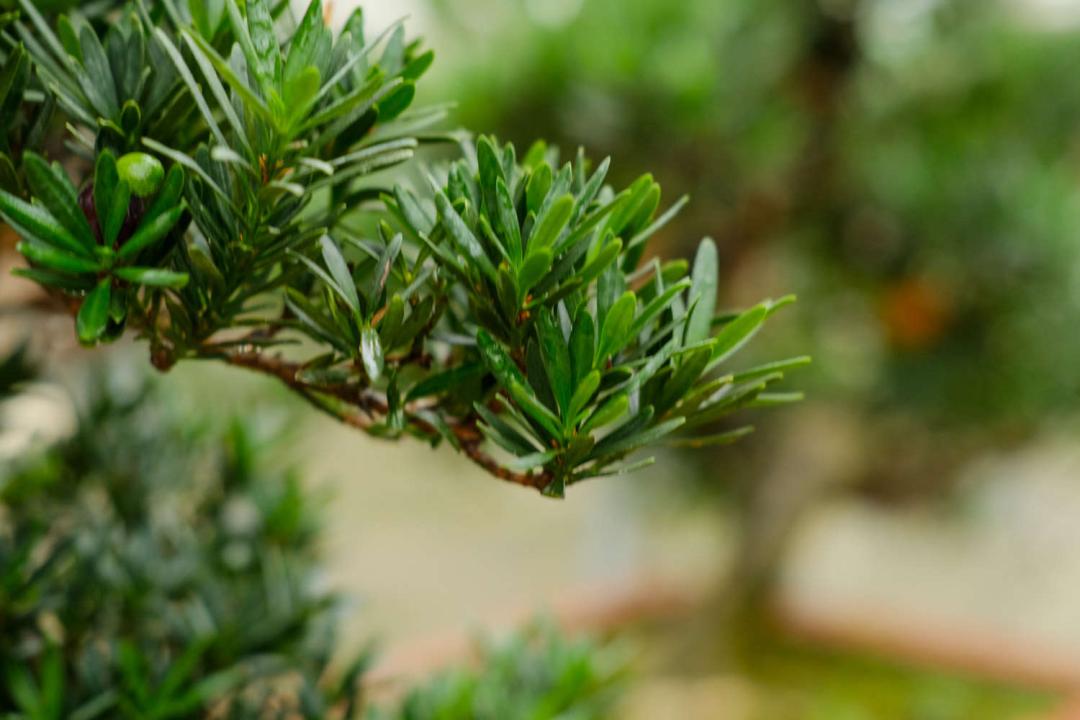
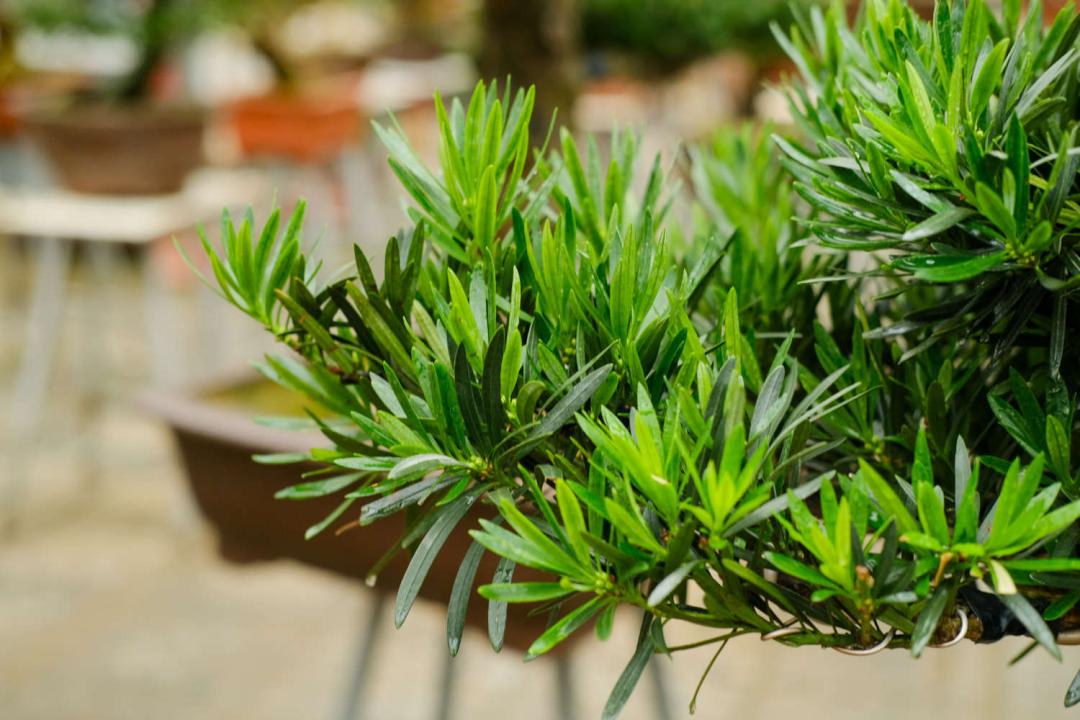
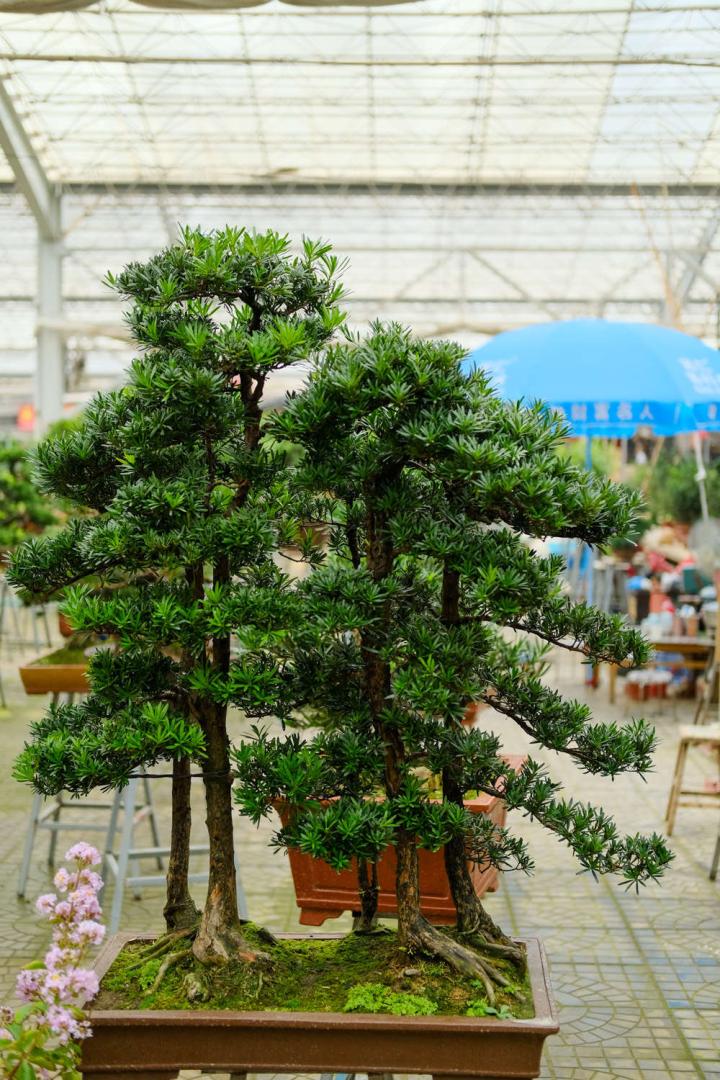
Luo Han Song, often called Buddhist pine, is a Podocarpus conifer. Its reproductive structures should not be described as calla-like flowers with white petals. They can be much less conspicuous than the blooms of a flowering shrub.
What to look for
Pollen-bearing structures and seed-bearing structures differ. As seeds develop, the fleshy supporting structure can become noticeable. Use a botanical reference and close observation rather than assuming every colored part is a petal or an ordinary fruit.
Maturity and conditions matter
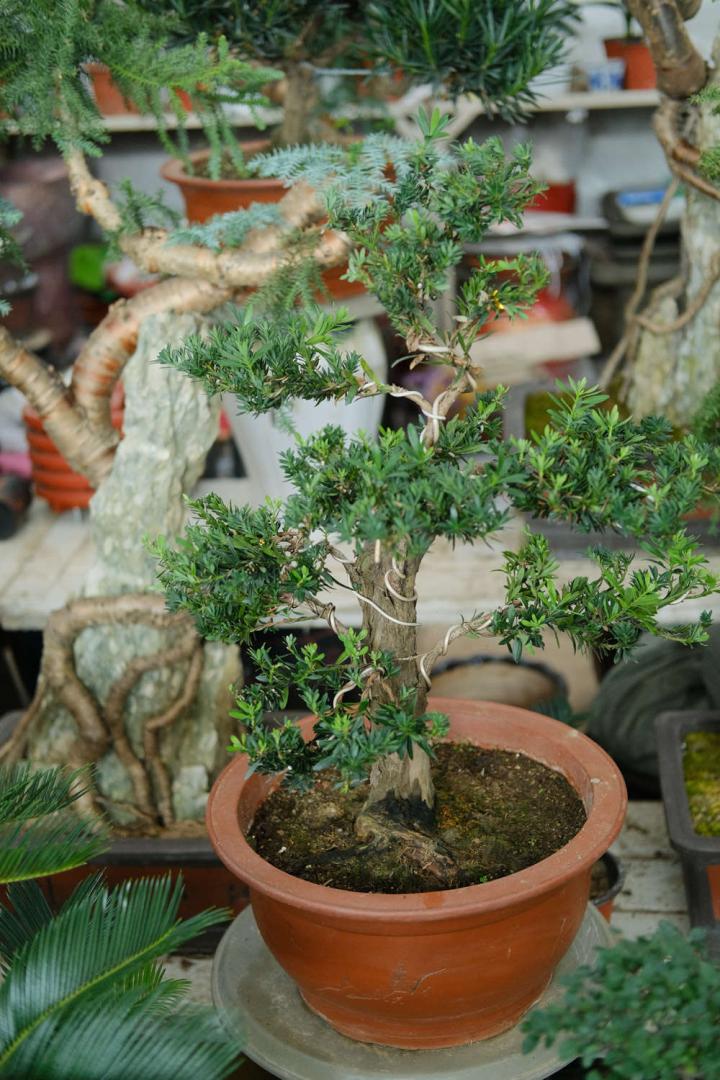
A small potted plant may not show conspicuous reproductive growth. Timing varies with the climate and plant, so one calendar month is not a dependable rule everywhere.
Care does not need to change
Continue care based on light, root health and growth. A plant without visible cones does not automatically need stronger fertilizer. Avoid treating the presence or absence of reproductive structures as a diagnosis of poor care.
Related reading: Buddhist Pine Care: Pots, Light and Root Moisture.