A first succulent collection should suit the space and light available. Check plant identity, root health and drainage before choosing by color alone.
Novice choice
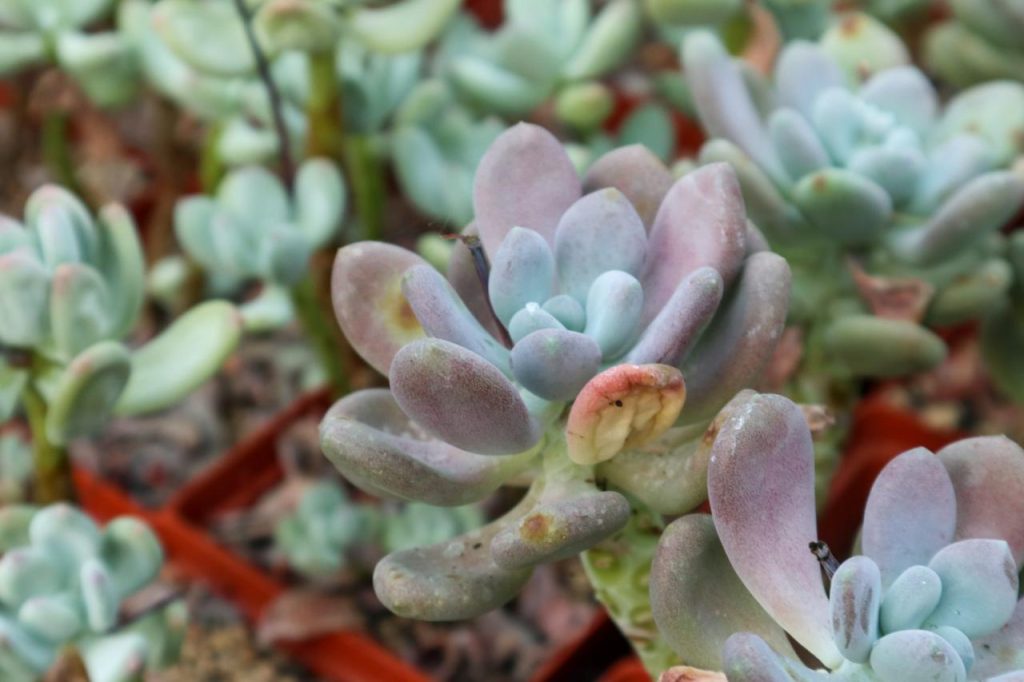
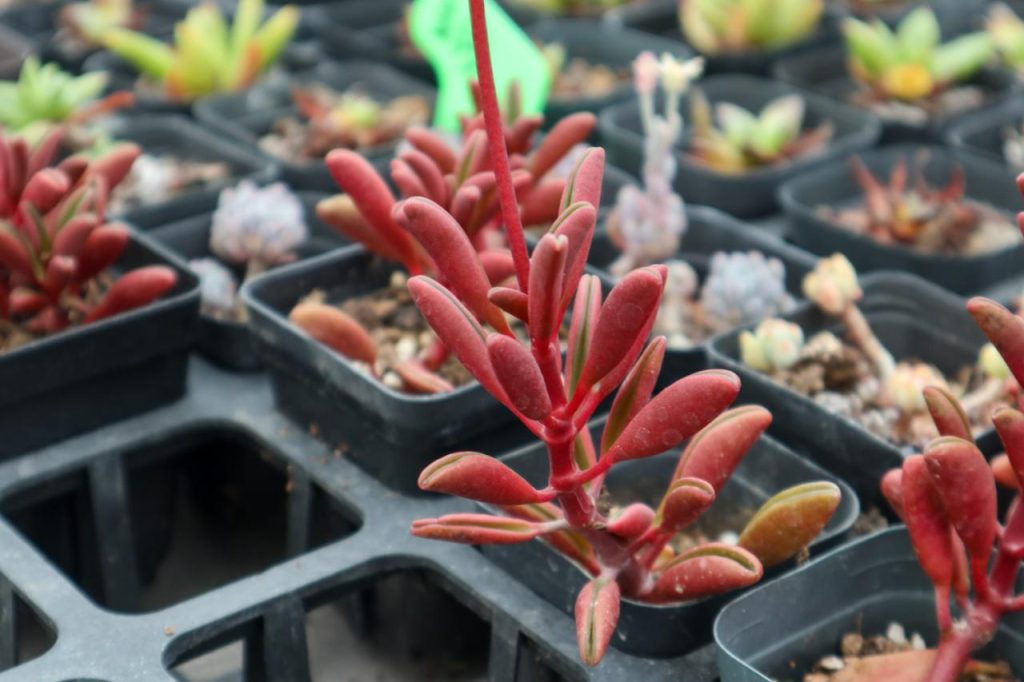
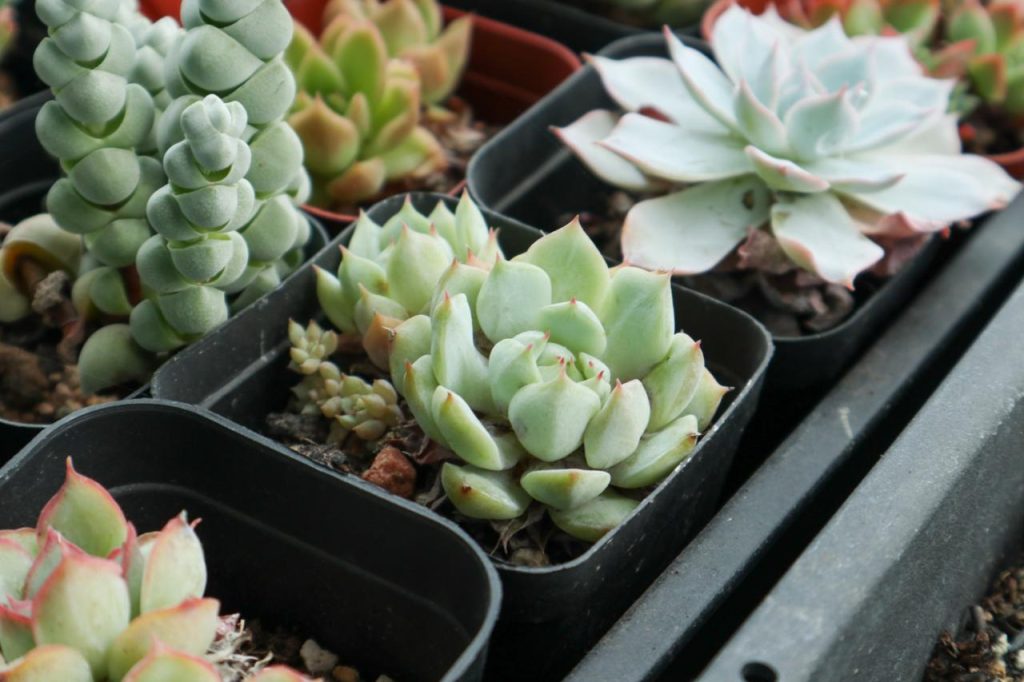
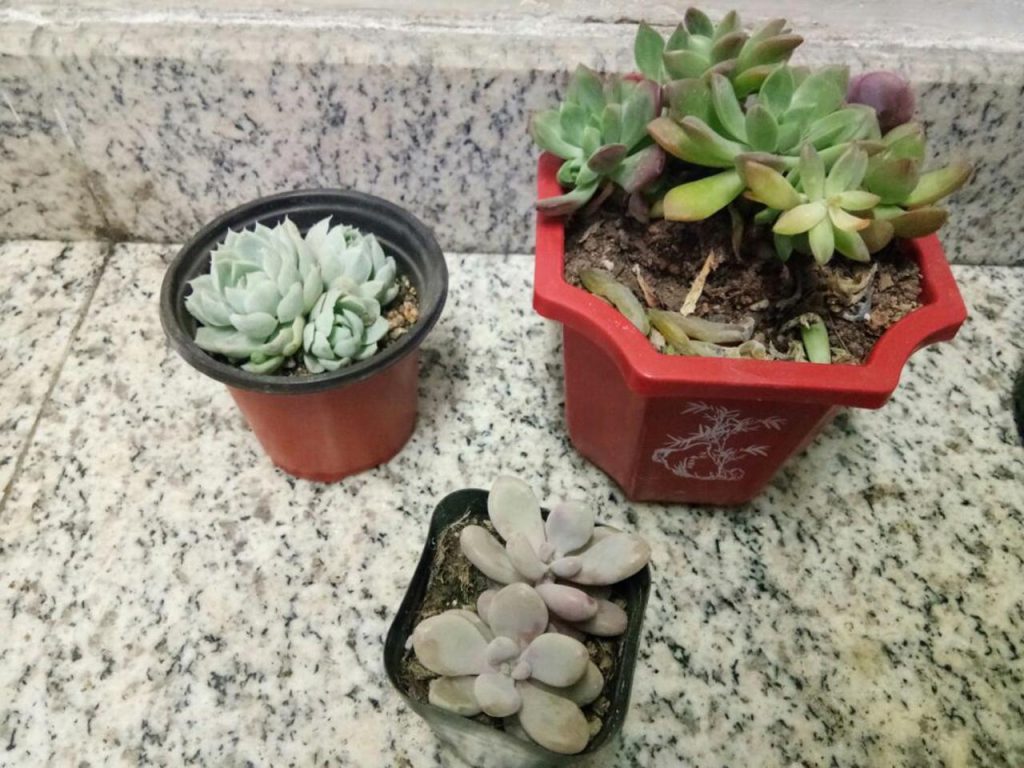
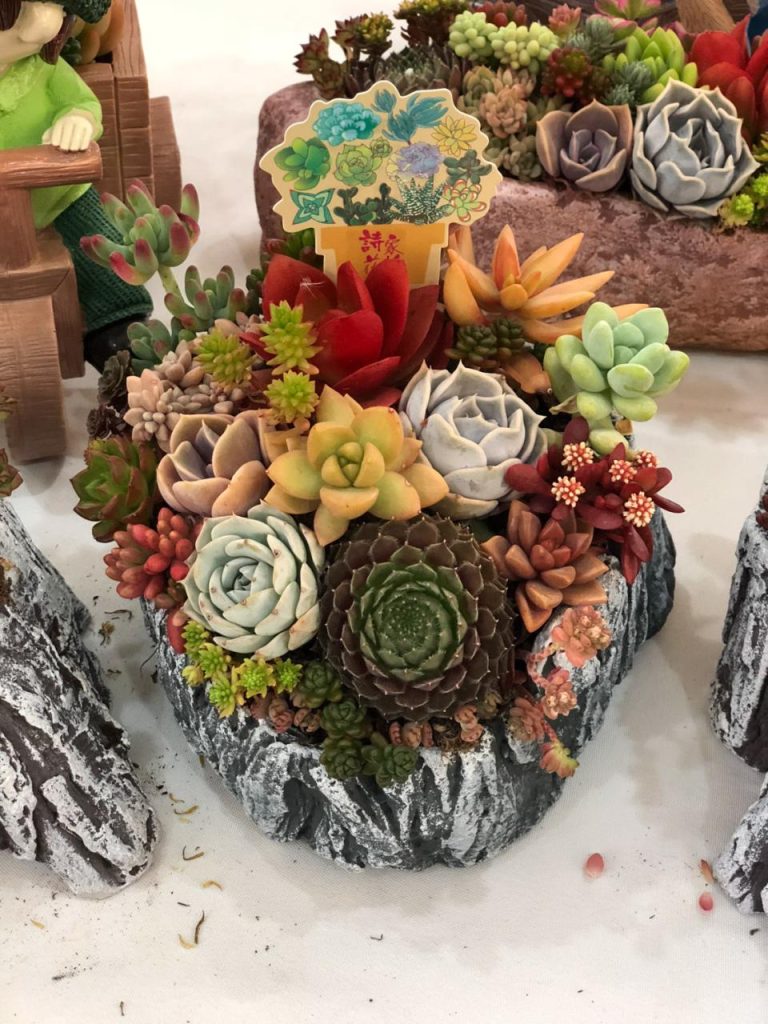
For the flower friends who have just entered the pit, choosing the flesh should look good and keep it with good attention. for example:
White peony
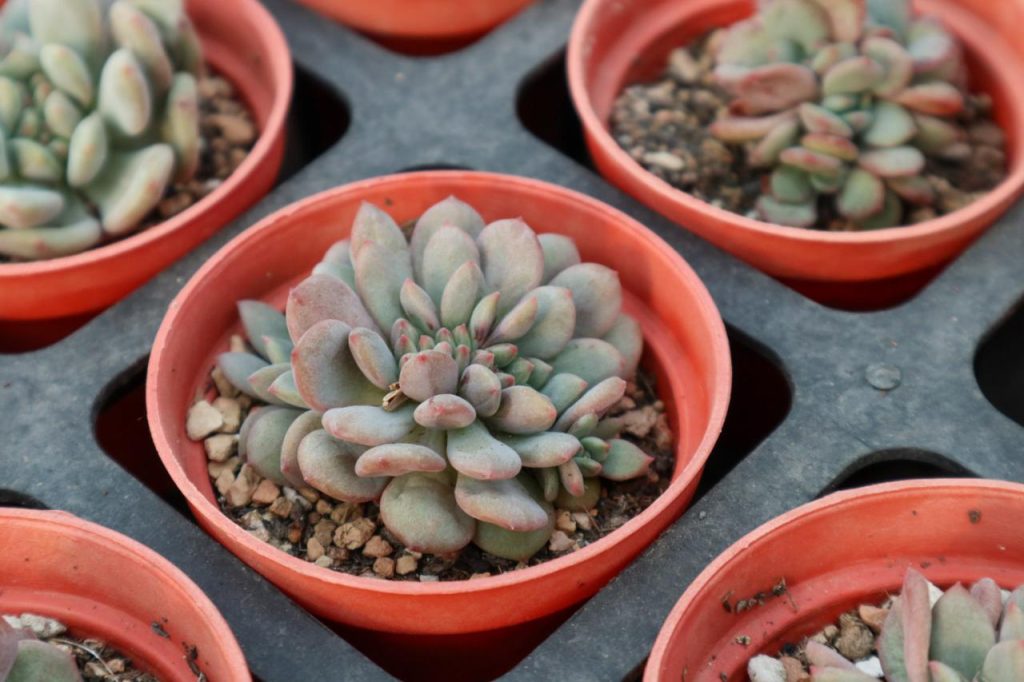
Xiong Tongzi
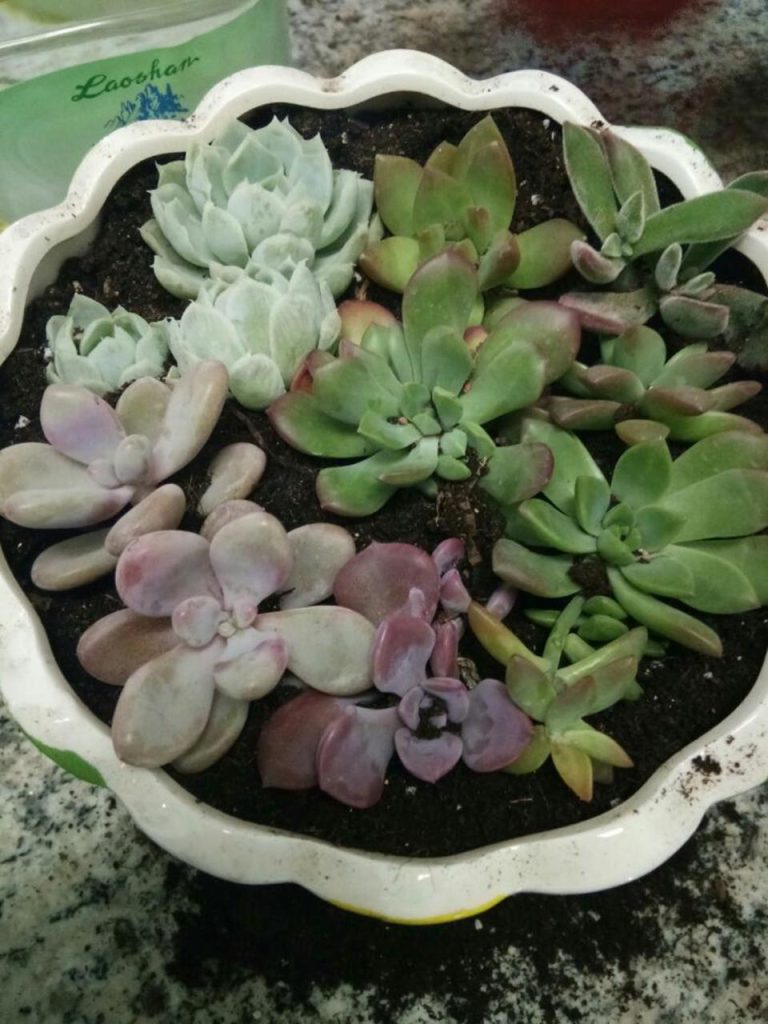
Quiet night
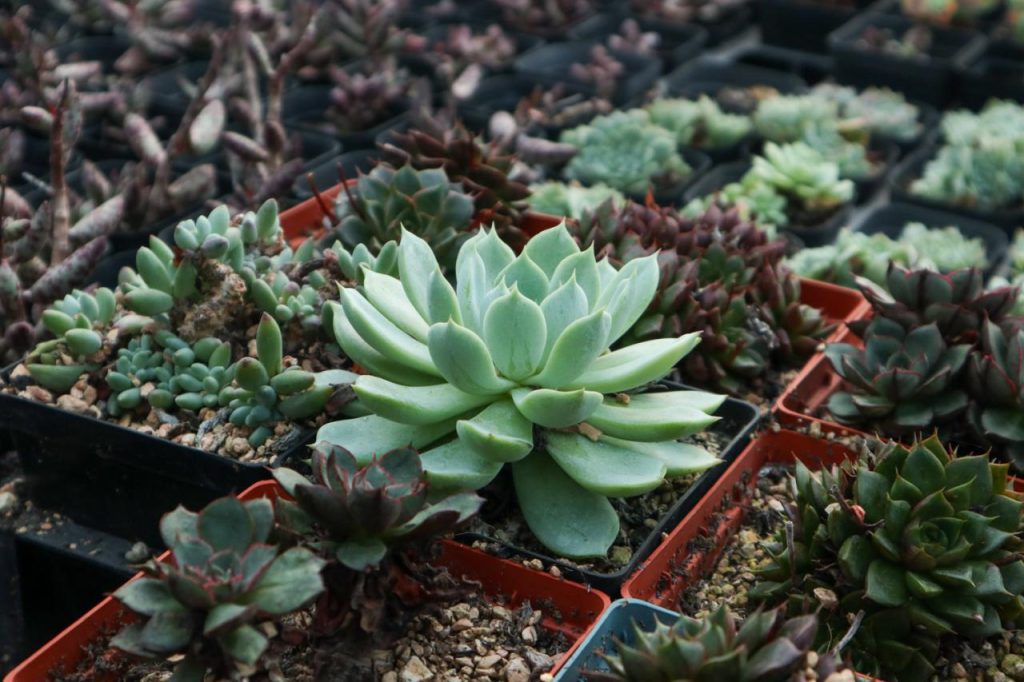
Jade dew
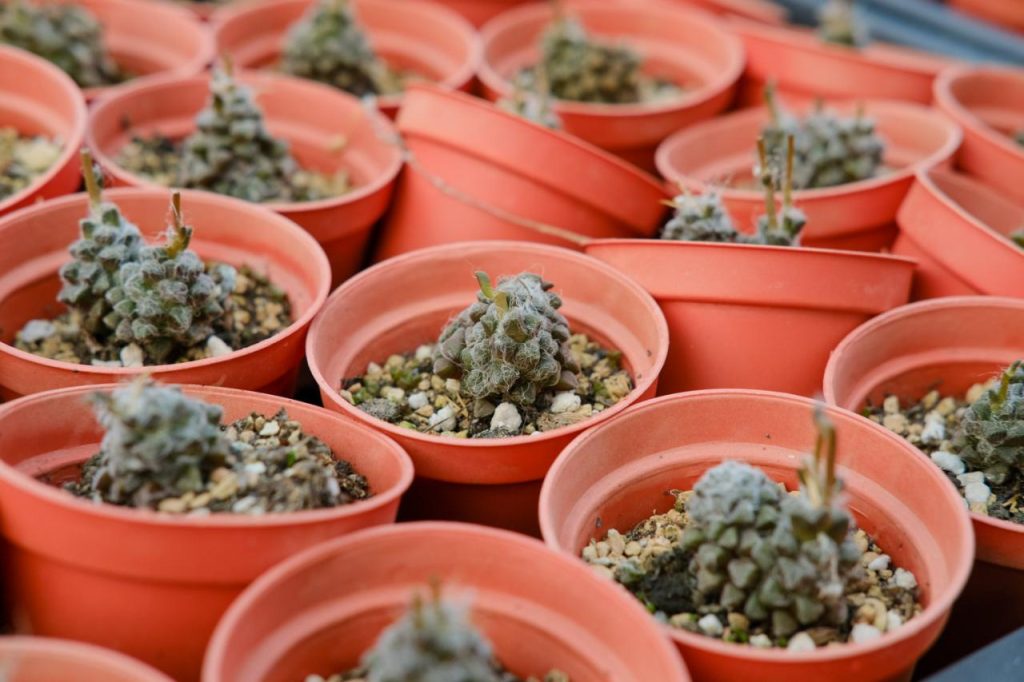
(Author: Gongcheng Chu Source: Baidu knows)
Succulent cuttings
Most of the succulents can "give birth to little babies" by cutting. Simple branches and leaves can raise a pot of new flowers.
Cuttings step
1. Choose healthy plants and cut off in places where the leaves are relatively sparse.
2. Do not throw away the mother plant. Slowly grow new small buds when beheading. If you are lucky, you may also grow long flesh.
3. After beheading, clean up the leaves near the root, put it on the mouth of the bottle, and install a little water in the bottle, and take root in about a week. Cleaning leaves can be placed on the soil for leaf insertion.
4. After rooting, it is the pot. When the pot is rooted, the slightly humid soil is used.
Care maintenance
1. After the cuttings, the fleshy cannot be exposed to the sun. Do not soak in water. It is best not to soak the bacterial solution to disinfect. The cuttings of the leaves should be placed on the dry soil. Do not water before the long root.
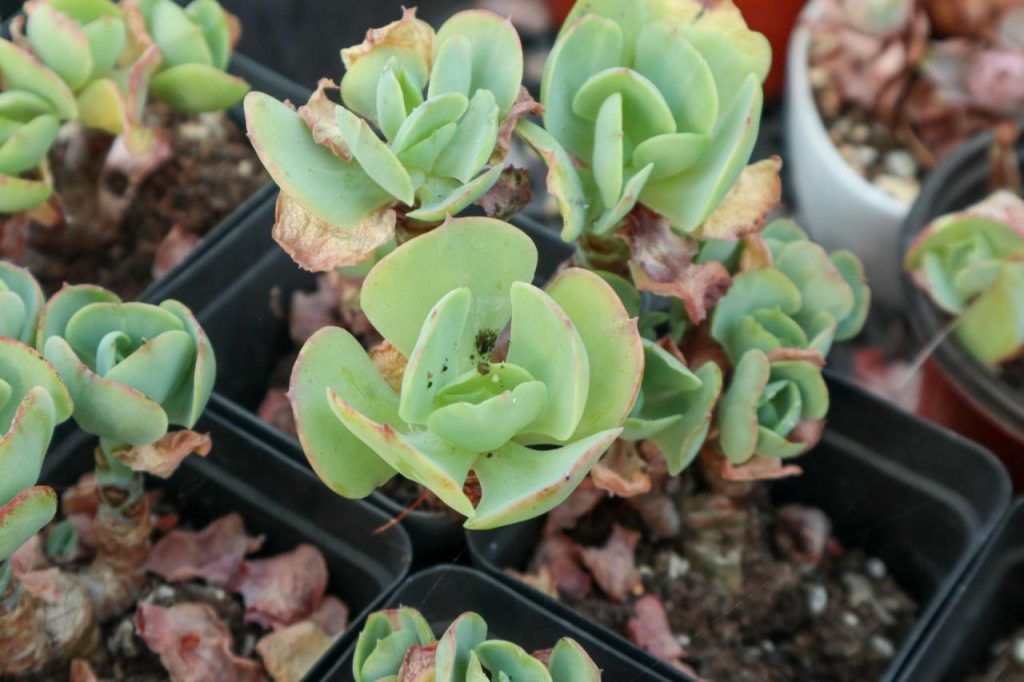
2. For succulent blades with long roots and sprouts, the root system must be buried in the soil in time, and water is sprayed on the soil to keep the soil slightly moist.
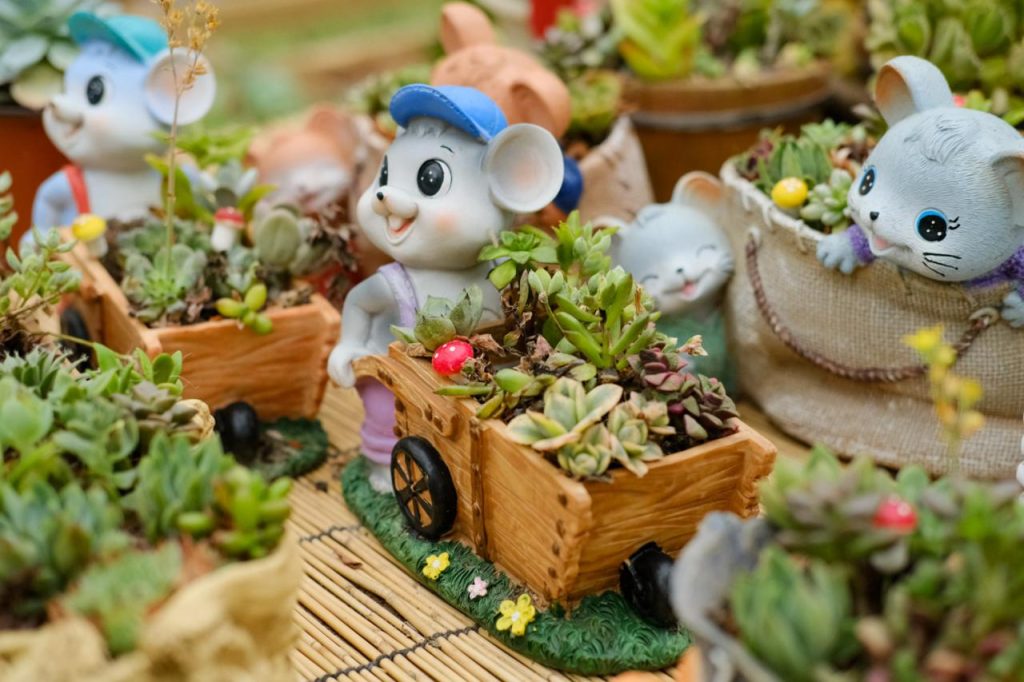
3. For leaves with long buds and not long roots, you can apply some root powder to bury the places where the long roots are to be shallow into the soil.
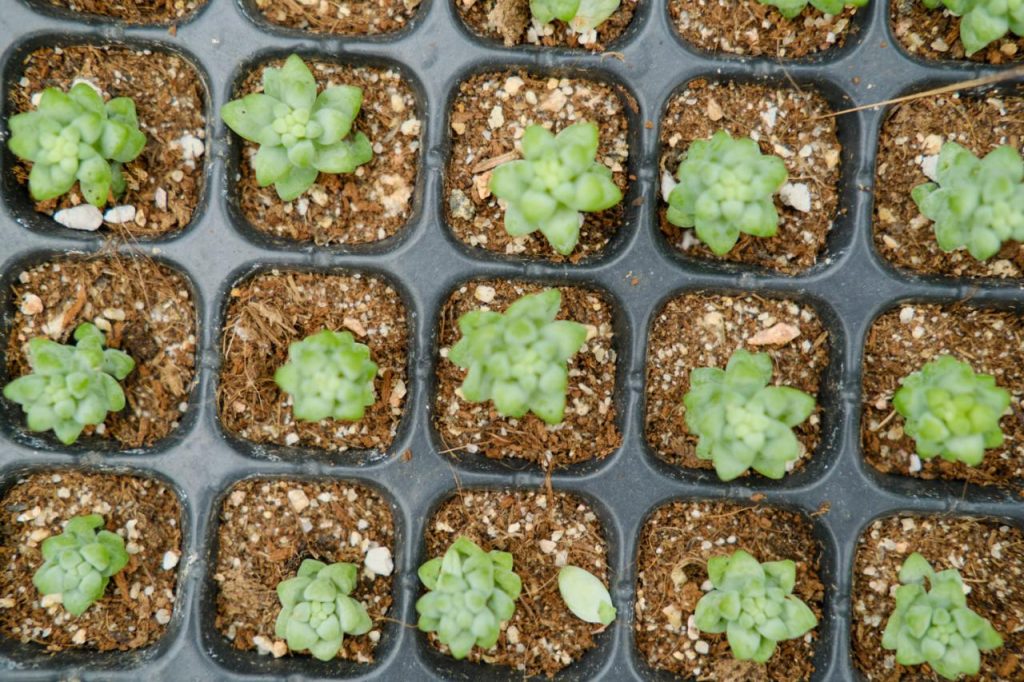
4. During the cuttings, if the female leaves after the long buds have black rot water, they should be removed in time to avoid endangering the small buds. If the mother and leaves do not have long buds, they are black rotten, and it is basically impossible to grow root, so be sure to pay attention to ventilation.
5. Normal leaf insertions are small buds in the process of growing up.
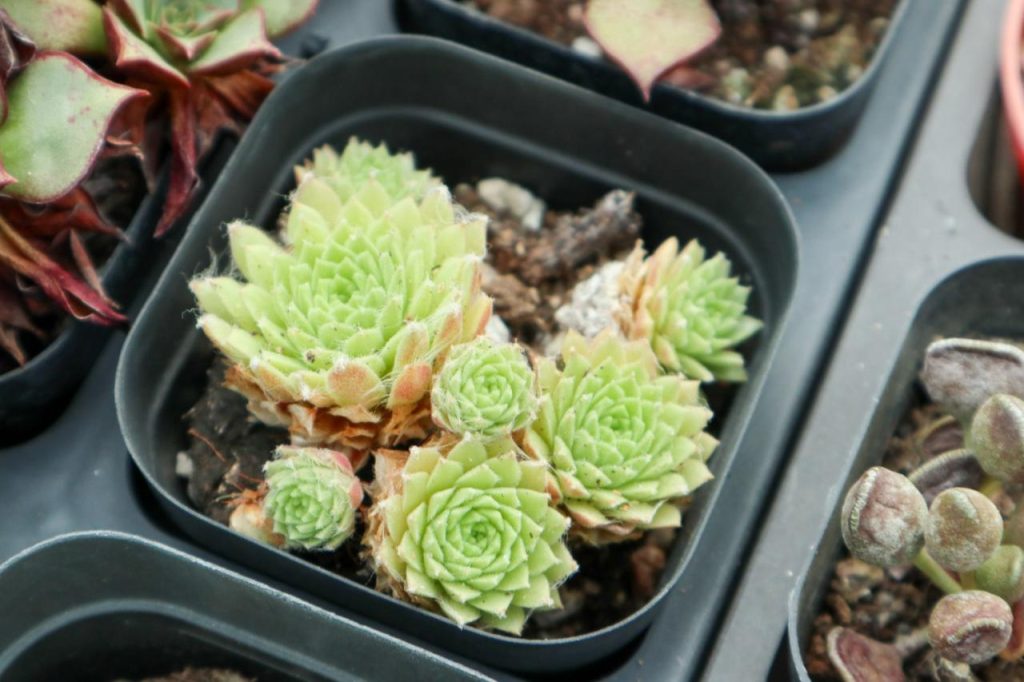
Succulent soil
Verion stones, perlite, wheat rice stones, peat soil ... There are too many fleshy soil, how should the fleshy soil match?
Nutritional soil
Nutritional soil mainly refers to rotten soil, coconut bran, peat soil, pine needle soil, wood chips, rice shell charcoal, grass and gray, etc. These soils mainly provide nutrition for succulents.
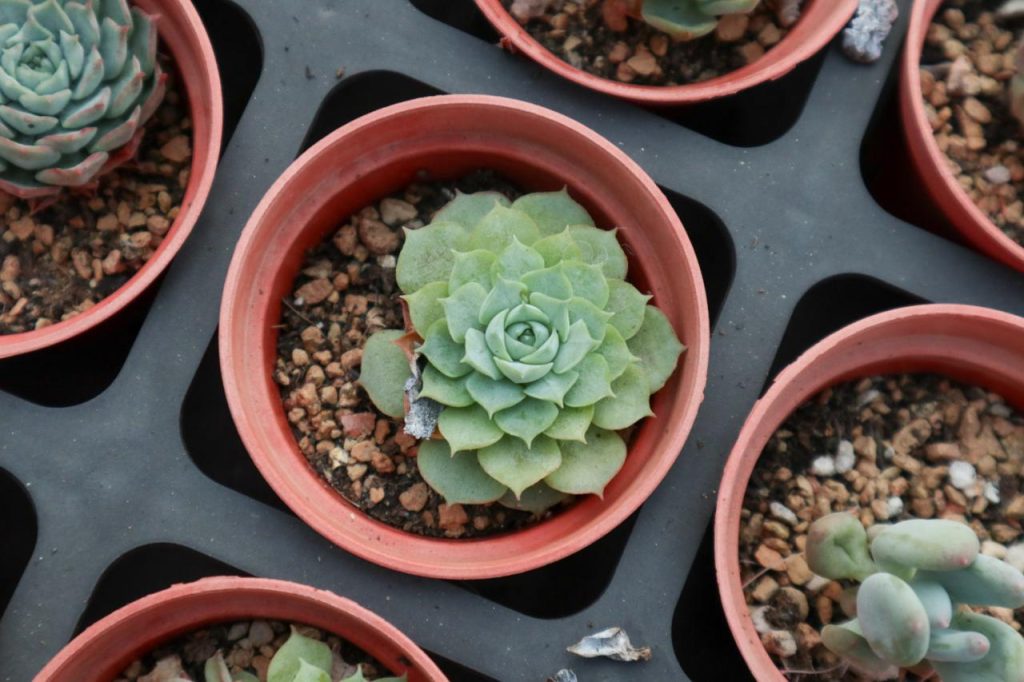
Granular soil
The fleshy granular soil is mainly loose soil and pavement, without any nutrition, such as perlite, vermiculite, river sand, red jade soil, deer marsh, sunburn stone, rough sand, green boiled stone, diatom soil, wheat rice stone, rice rice stone, rice rice, and rice rice stone, Pottery grain, etc.
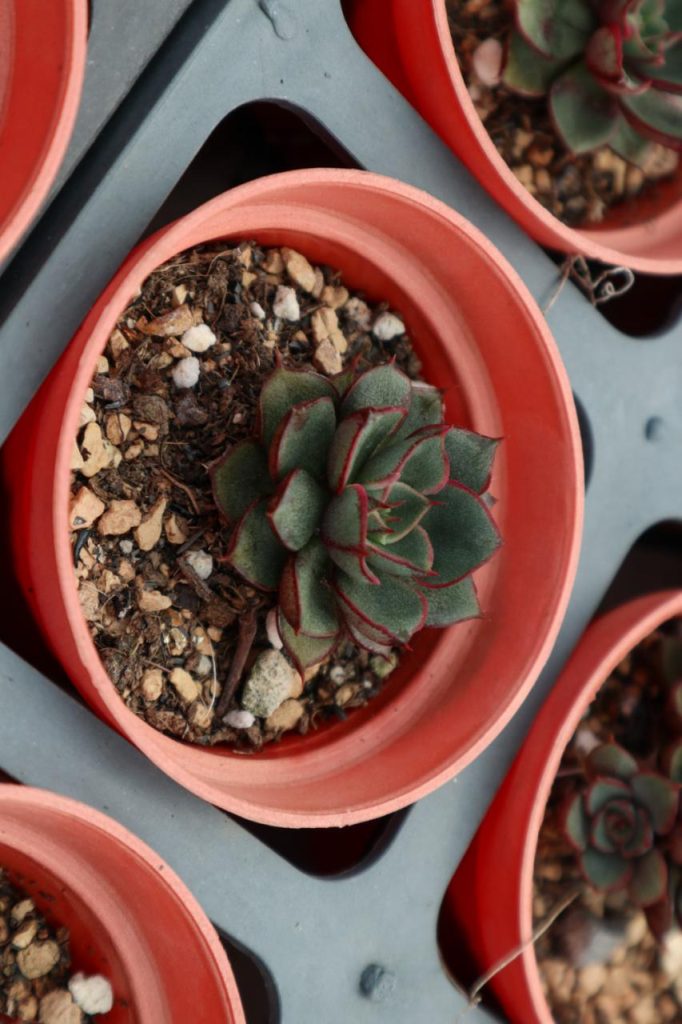
Proportion of soil
1. The simplest soil method is peat soil: coarse sand = 1: 1.
2. Generally, when the fleshy cuttings and seedlings, the proportion of nutrients is needed appropriately, nutritional soil: granular soil = 6: 4,.
3. After the succulent grows into an old pile, it is necessary to properly increase the granular soil proportion, nutritional soil: granular soil = 4: 6.
4. What soil is not so important. As long as a certain granular soil is added to ensure the breathability of the soil, there are generally no major problems in flesh.
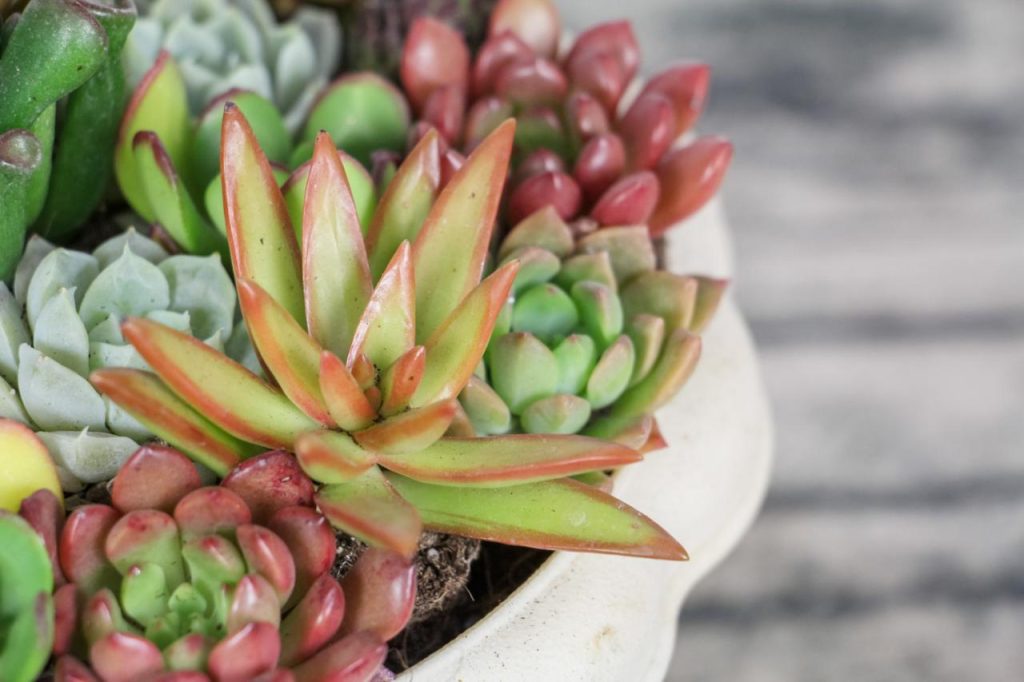
Succulent
Spring is the peak of active bugs. When encountering bugs, you must not be able to say, you must kill!
Shell
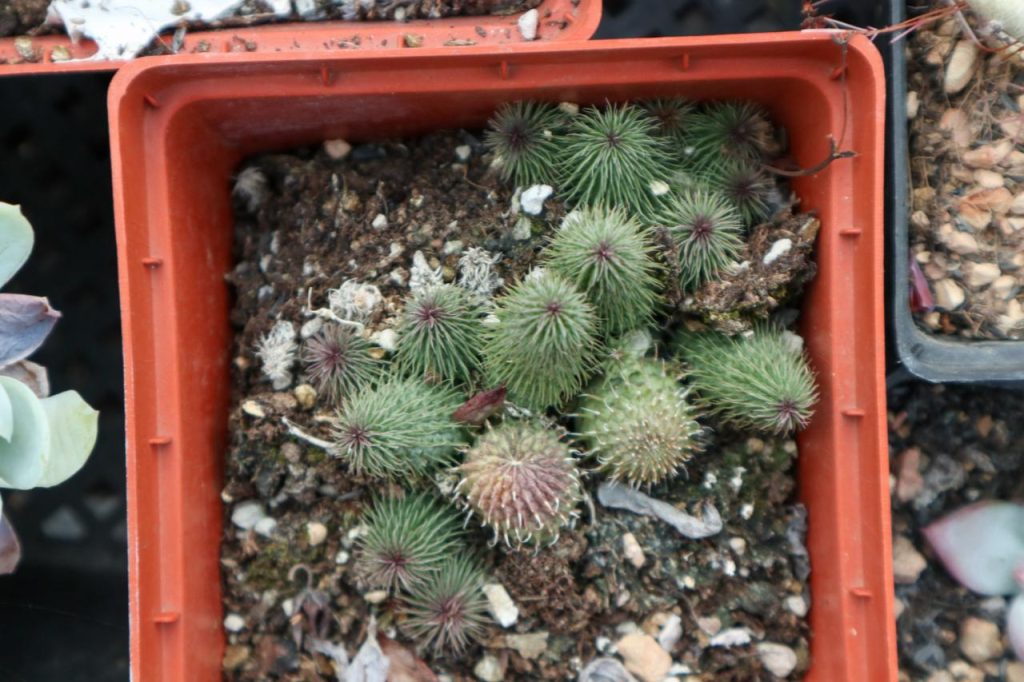
1. The bellworm is the most common pest of the fleshy meat. It secretes a mucus when sucking the gravy. This mucus can be covered with dust, so if the flower friends find that there are strange stains on the flesh in the home, most of them are mostly mostly. It was a crash.
2. It is found that the bellworm is immediately killed with a small sister -in -law, because the scope of the shell worm is very large, and it is often transmitted to other succulents, which is huge!
3. Large -scale insect pests are best used to solve them. A small bottle of Hua Hua Hua gods spray 1000 ml of water and spray it in the place with insects.
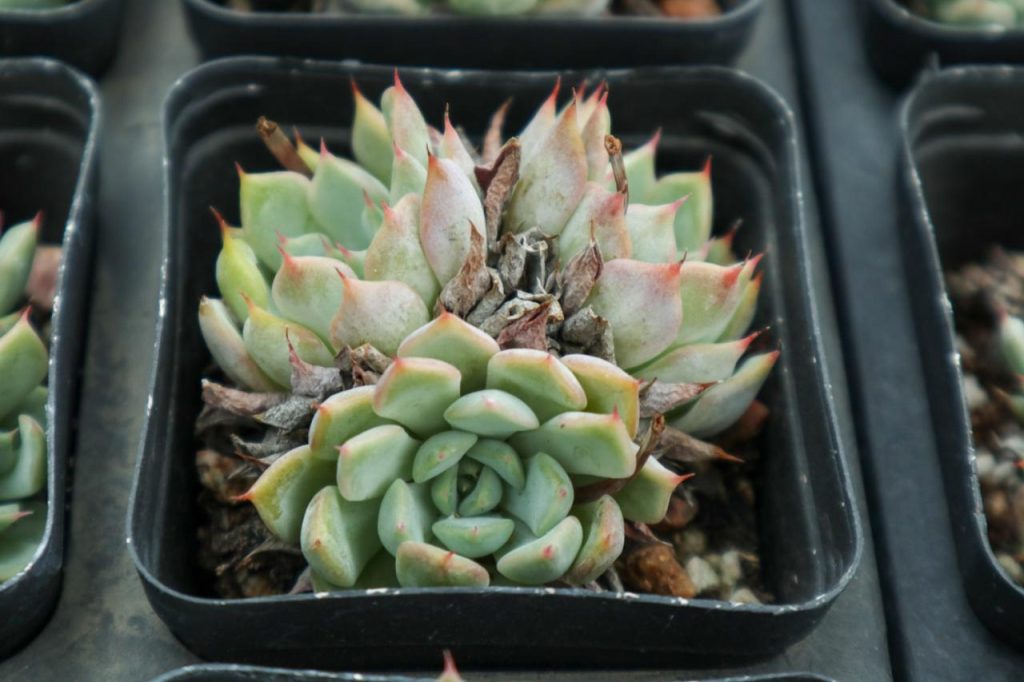
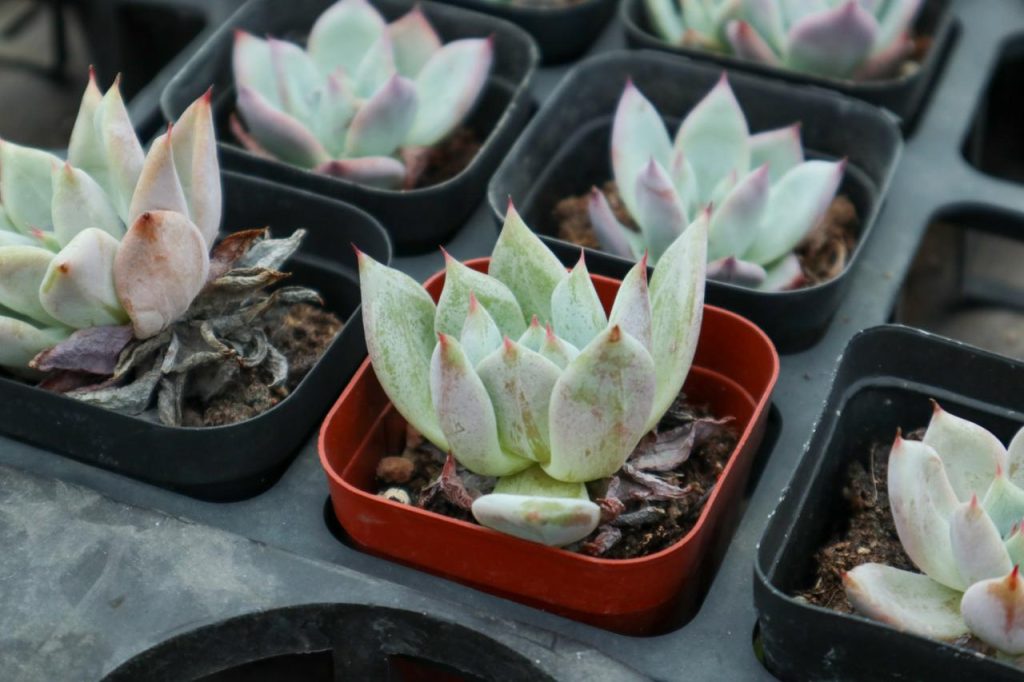
4. In general, the flowers will remind everyone that it is best not to pour it on the blades, but in a very time, we must use the medicinal solution to clean the leaves, and finally blow the water droplets on the leaves to prevent rotten heart.
Related reading: Giving Succulents More Light Without Sudden Exposure.