Mugwort needs room for its spreading growth. Check the plant's identity and mature size before choosing a long-term container or household position.
The two reasons it is a poor indoor plant
An established mugwort stands up to about two metres. That is not a balcony plant once it is in a big pot, and it is a plant that will lean, shade and eventually topple in a corner. The second problem is the scent, which is not occasional: the foliage releases aromatic oil whenever it is brushed, and in a closed room that is a constant, medicinal presence. Some people want exactly that. Most households discover it is too much after the first warm week.
If you have the room, an open position and no issue with the smell, then two plants on a sunny terrace are entirely manageable, and the plant will not ask much of you. That is the honest version of the answer.
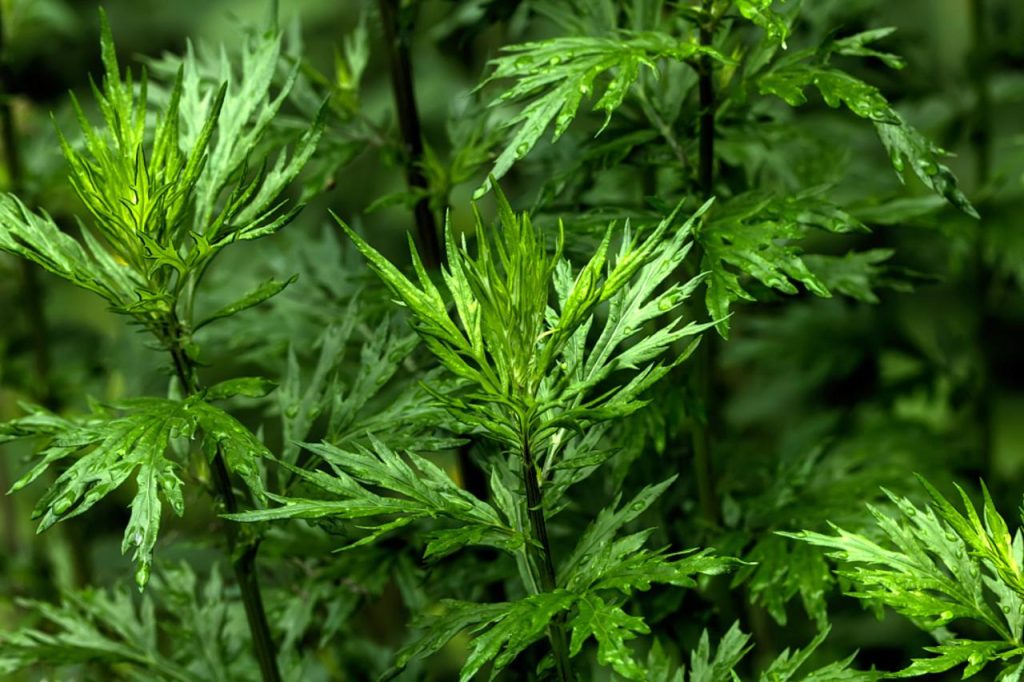
Getting a plant you cannot mistake
Seed is the unreliable route, and not because germination is poor. Artemisia is a very large genus, the packets are frequently mixed, and what grows from a sown seed is often a different species from the one you meant, sometimes an aggressive weedy one. A named young plant from a nursery, or rootstock lifted from a bank where the plant is already growing, tells you what you have on day one.
Dug divisions establish fast. Trim the top growth back, pot into ordinary loose compost, water in, and keep the pot out of hard sun for the first fortnight while the roots take. There is no special soil requirement worth mentioning beyond drainage.
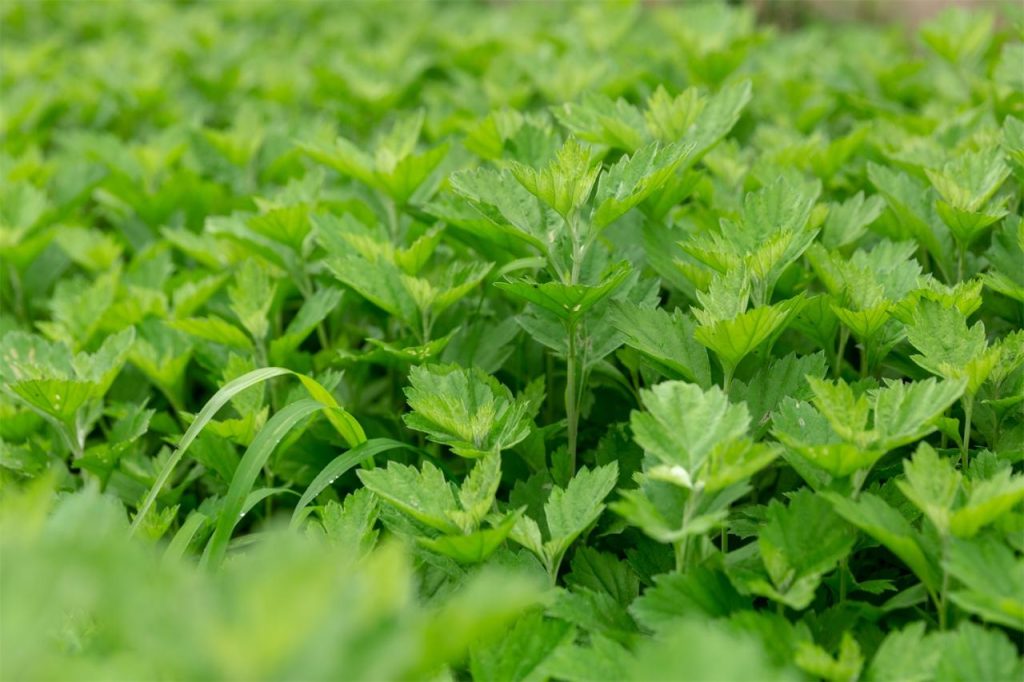
Pot, water and light
Choose a deeper pot than looks necessary. The plant is tall above the ground and it is equally deep below it, and a shallow pot gives you a plant that falls over in wind. Any decent loam-based mix will do; richness encourages soft growth that needs staking.
Watering follows the usual rule for a Mediterranean genus rather than the tropical one: let the pot go down between waterings, then water properly so it drains out of the hole. Standing in a saucer of water is the fastest way to lose it. On a balcony, give it the sunniest position you have. Mugwort grown in shade produces thin, pale stems and very little of the aroma people want it for.
Two practical notes for anyone growing it for use rather than looks: cut stems and leaves as needed, since cutting is what keeps a mugwort bushy instead of a single leggy stick, and confine the rhizomes to a container even if the plant is outdoors. A plant that spreads by underground stems is not something you want to negotiate with later. The drainage argument is the same one made for a plant that hates wet roots even more than mugwort does, in the pot mix recommended for rosemary.
Related reading: Choosing a Plant Pot: Roots, Drainage and Stability.