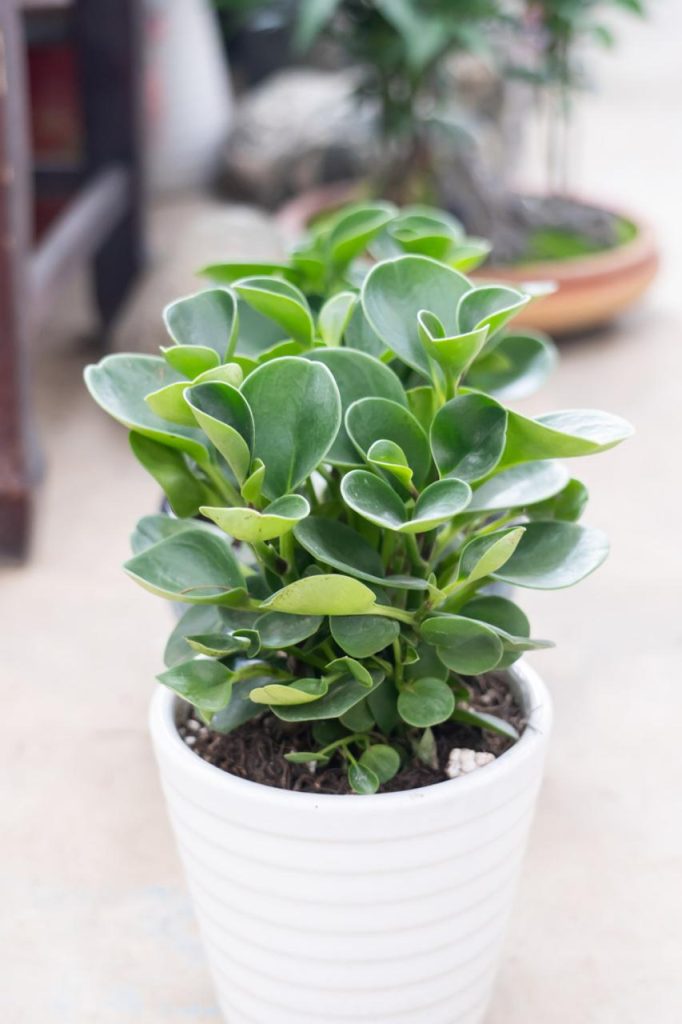
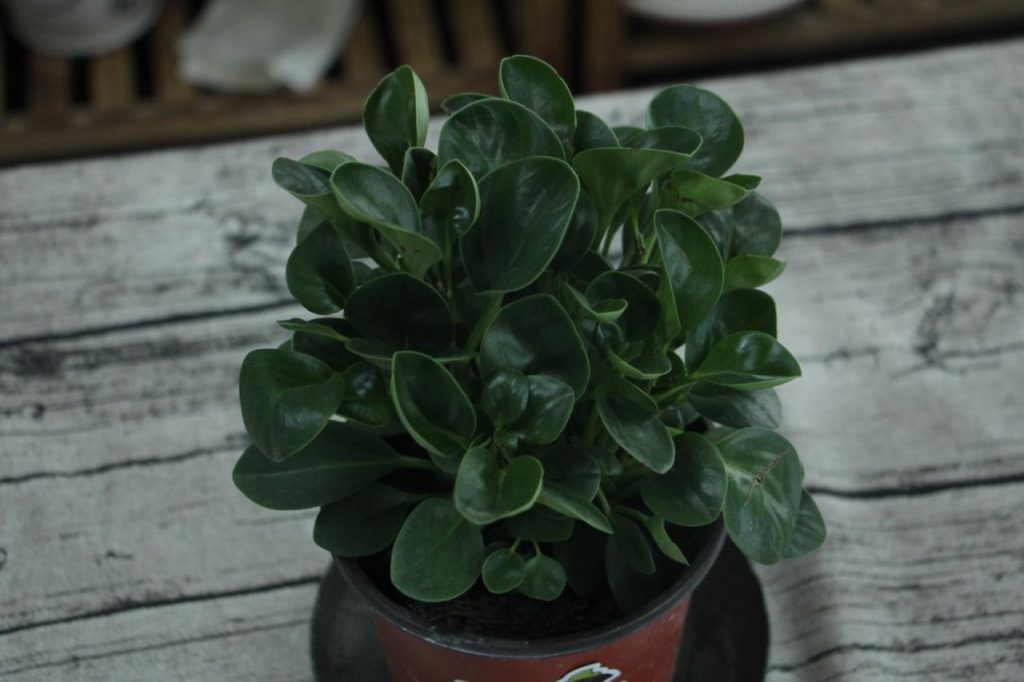
Peperomia includes plants with very different leaves. Start with a botanical name, then compare the leaf surface, attachment and stems rather than translating a trade label into a guessed cultivar.
Three useful reference examples
- Peperomia obtusifolia: glossy, rounded-to-obovate leaves on distinct branching stems.
- Peperomia argyraea: watermelon-like striping, with the leaf stalk attached beneath the blade.
- Peperomia caperata: heart-shaped, deeply furrowed leaves.
These features are described in NC Extension’s species profiles. The watermelon-peperomia profile also records older spellings used in horticulture, so keep the original label when tracing a name.
Species and cultivar are different details
A species name does not settle which named cultivar you have. Variegation or a pale photograph is not enough to reconstruct an unrecorded name. Ask the supplier for the full identification and retain it with a whole-plant photograph.
Use identity to choose the next care guide
Once the plant is identified, consult that plant’s own requirements. Do not infer a universal watering routine from thick leaves alone or change several conditions while the name is still uncertain.
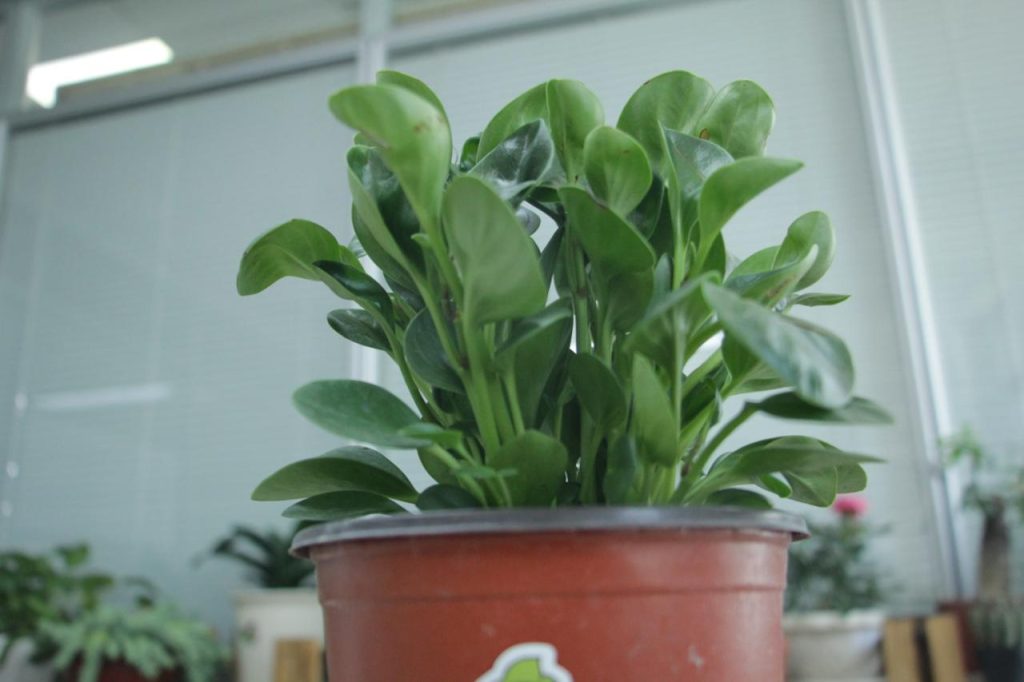
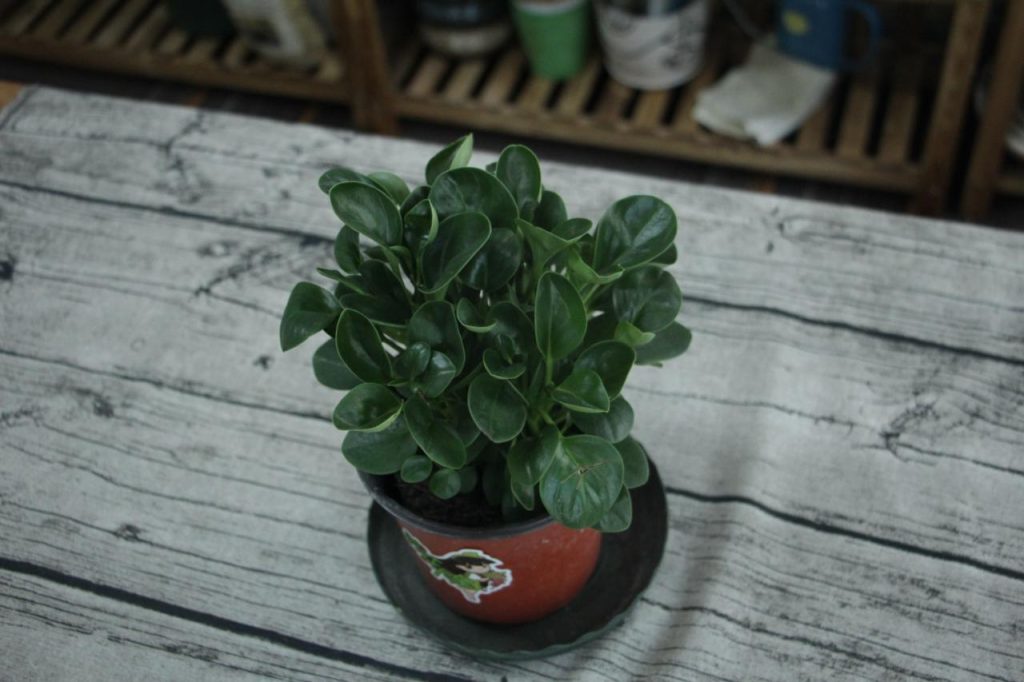
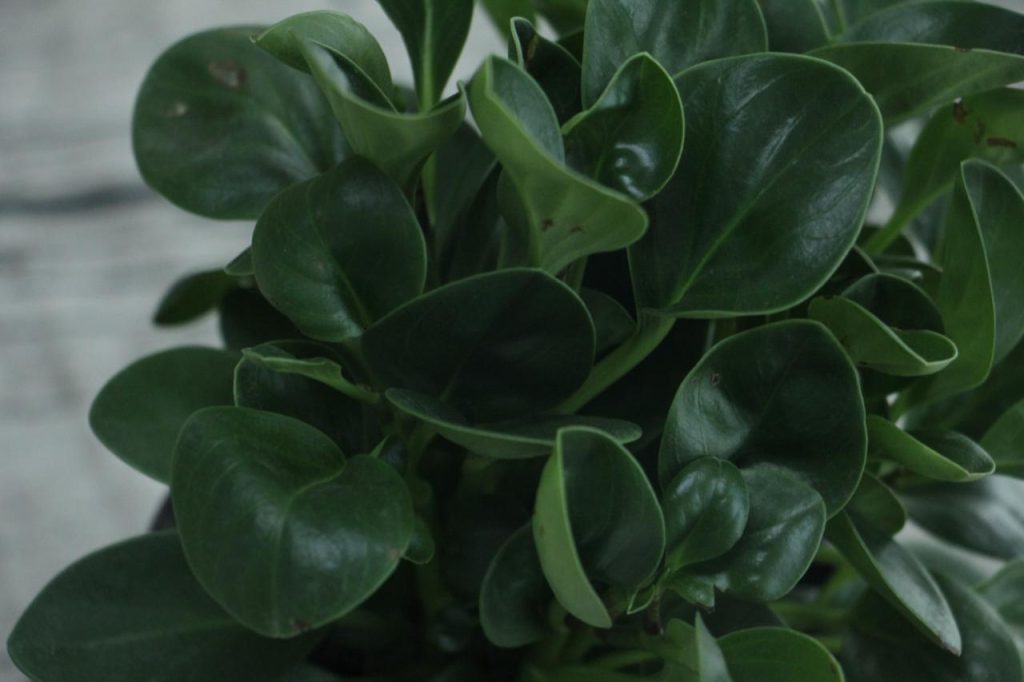
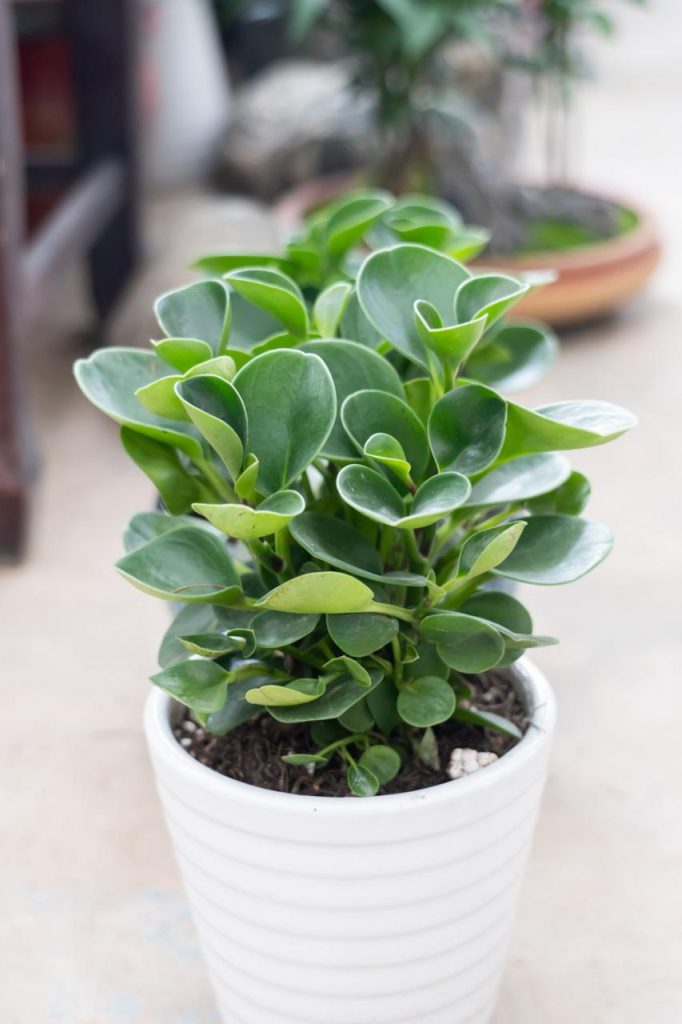
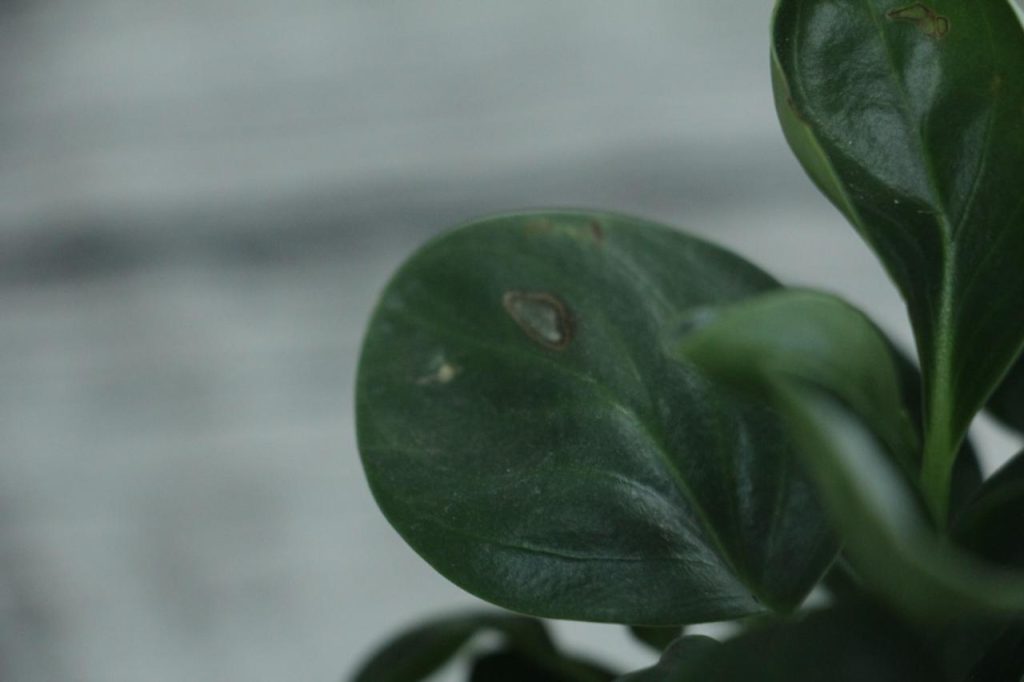
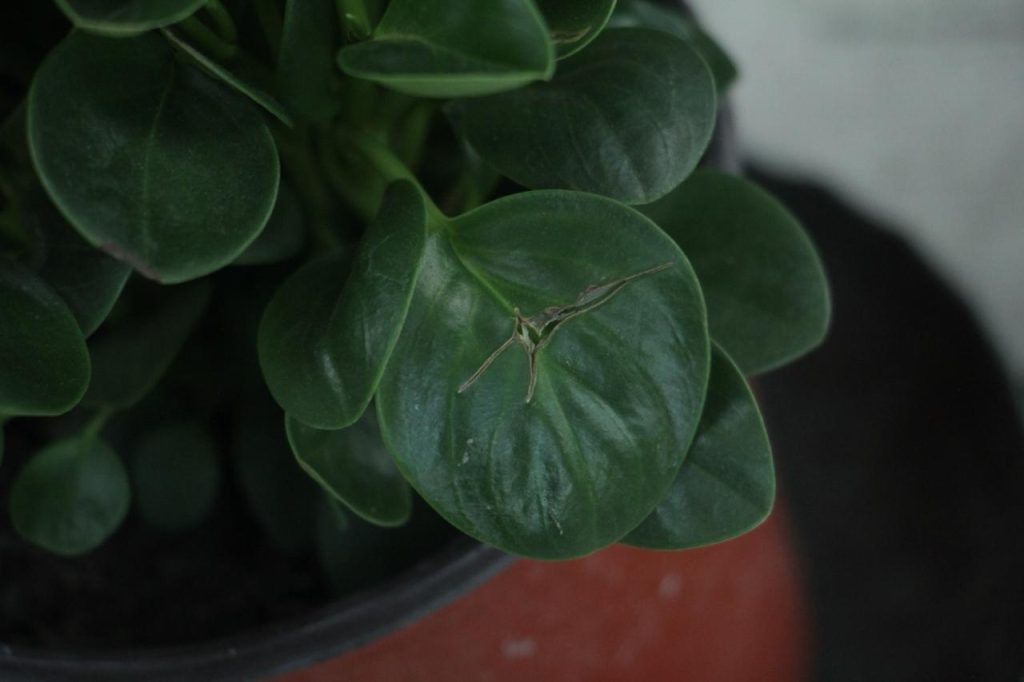
The images are comparison material without new species labels assigned to individual photographs. For baby rubber plant’s flower spikes, see Does Baby Rubber Plant Flower?.
Photographs for comparison