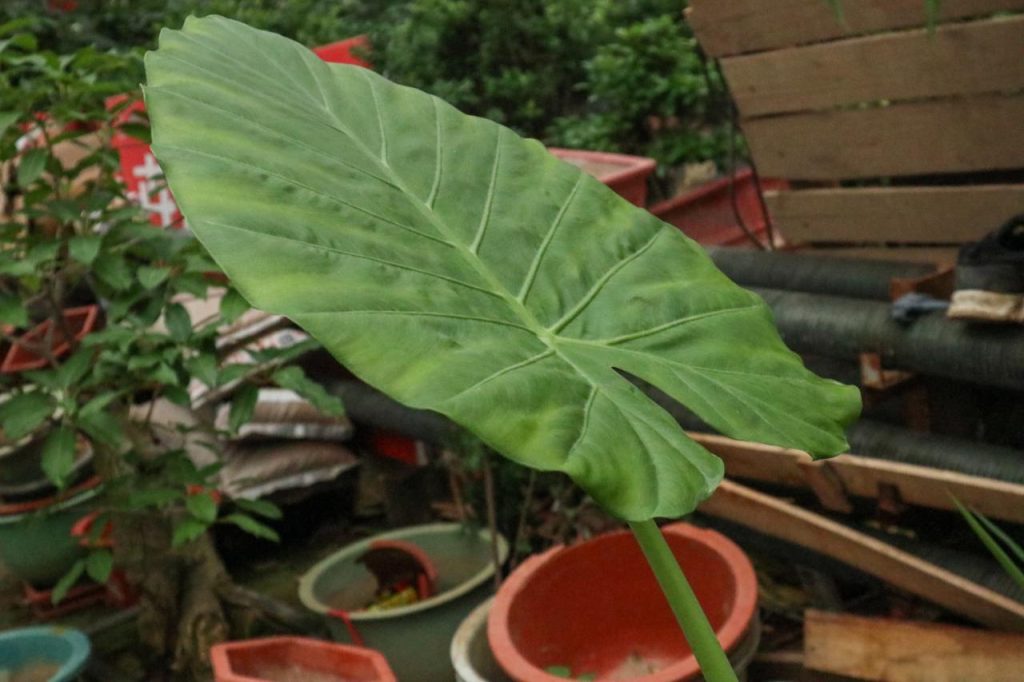
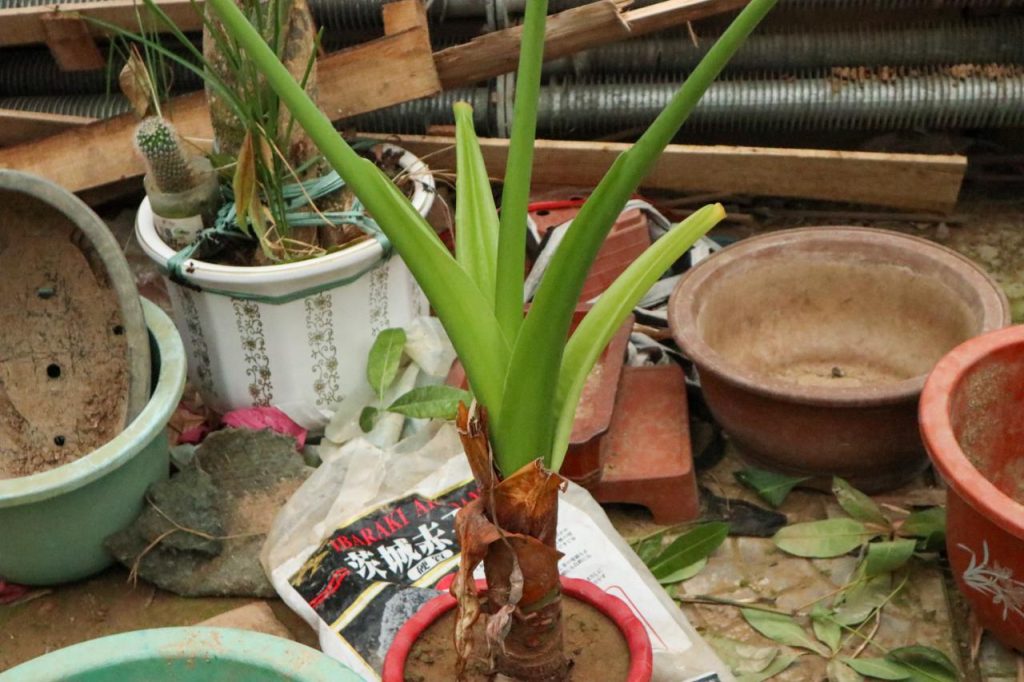
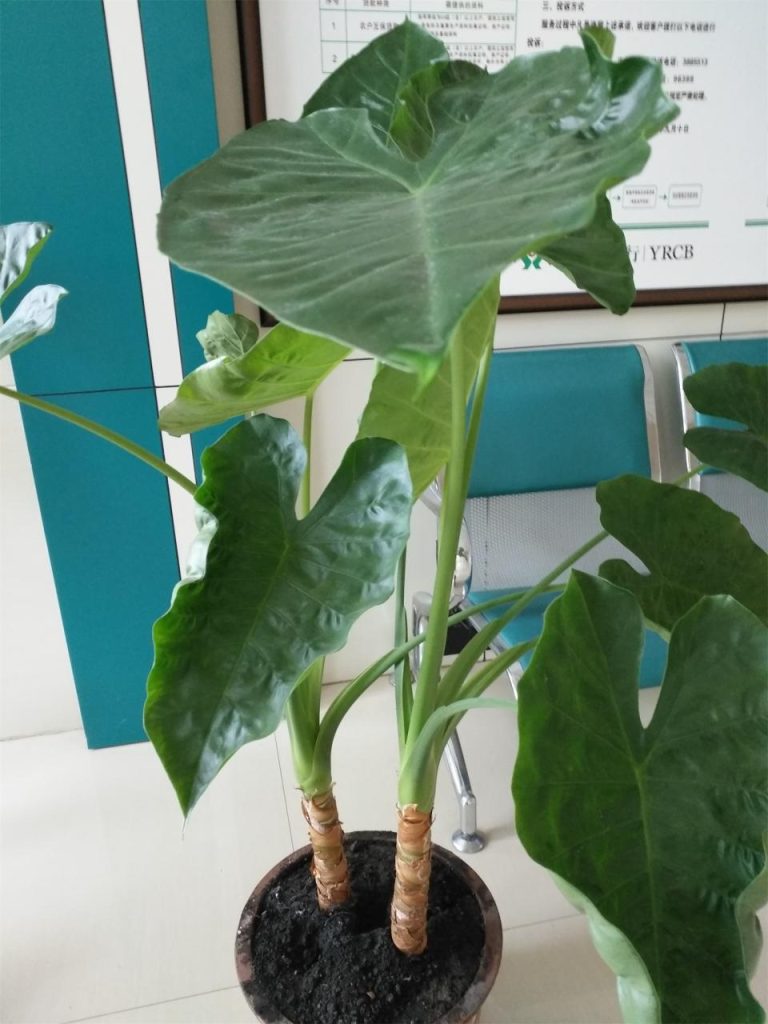
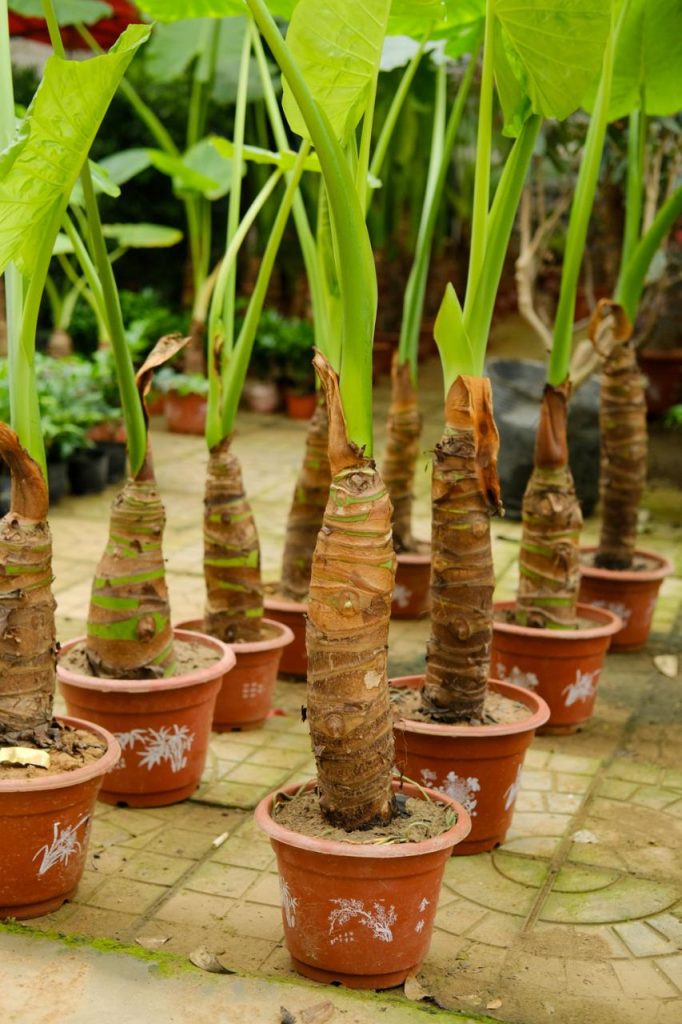
An alocasia flower display is easy to overlook beside its large leaves. The conspicuous hood and central spike are worth examining separately rather than treating the whole structure as one petal.
Spadix and spathe
NC Extension’s Alocasia profile describes a spadix carrying tiny flowers, surrounded by a leaf-like spathe. The appearance and size vary among the plants sold under alocasia names.
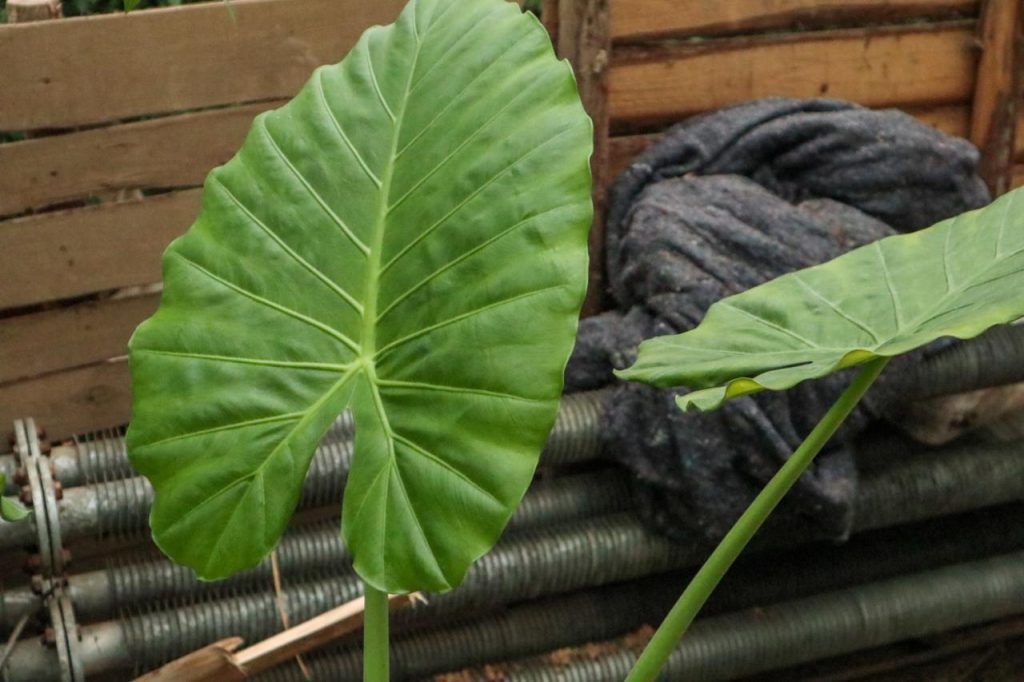
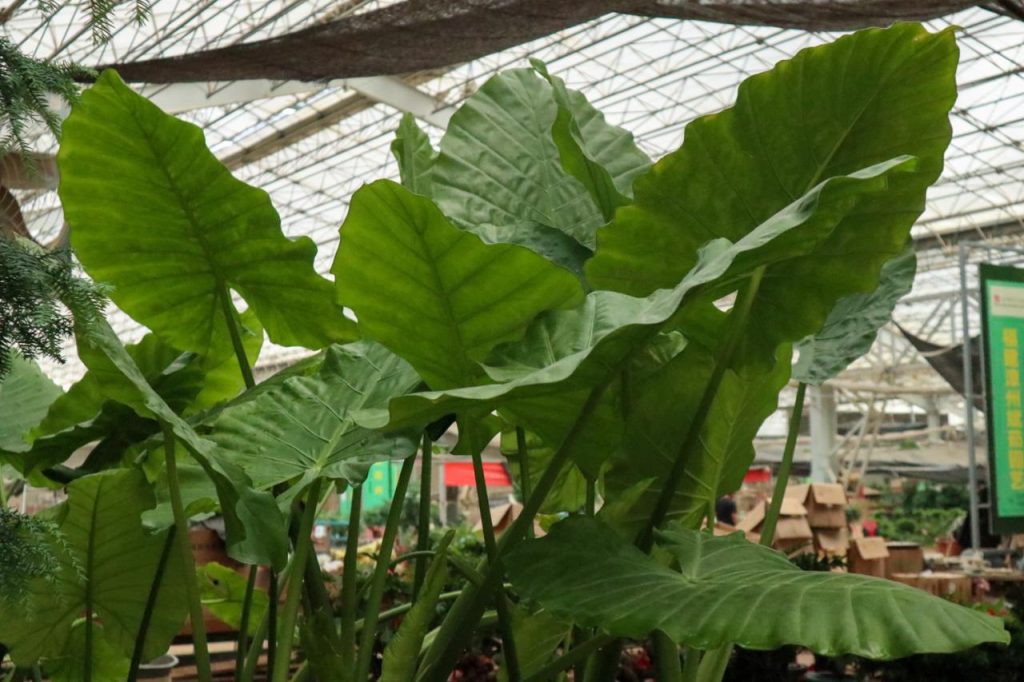
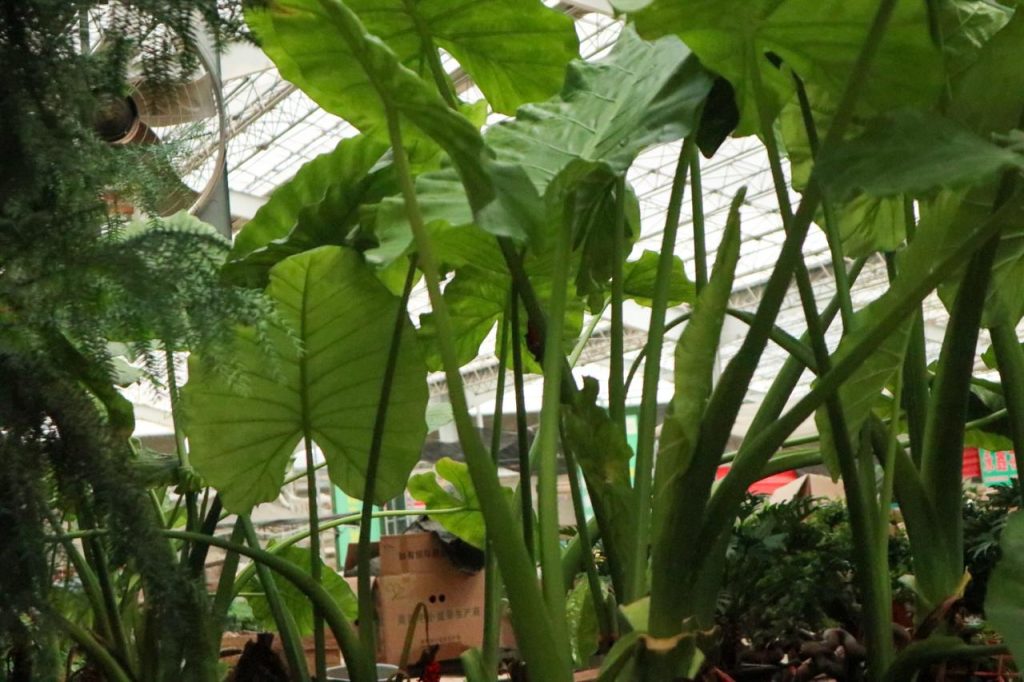
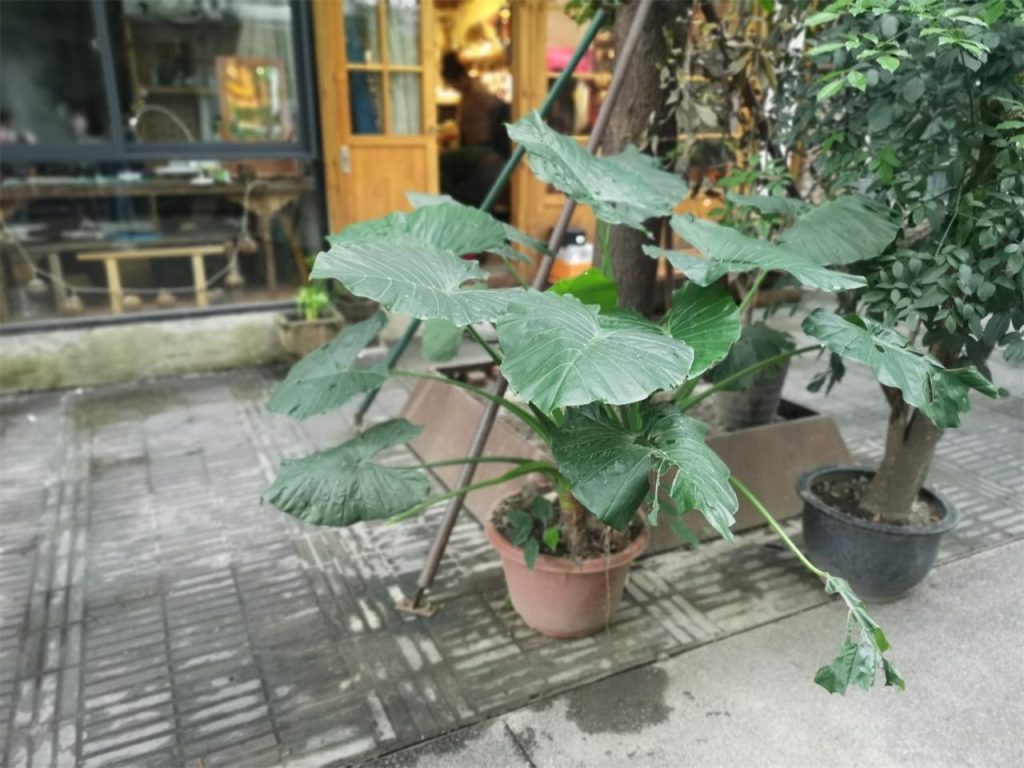
Keep a whole-plant photograph, a leaf and its stalk attachment with any flower close-up. A translated name such as dripping Guanyin does not by itself establish a particular species or its flowering schedule.
Flowering and fruit are separate stages
If fruit develops, record it as fruit rather than calling every visible berry a seed. A coloured fruit is not evidence of edibility, and a flowering ornamental should not be presented as a home remedy.
Use plant-specific handling advice. The NC Extension profile records poison characteristics and cautions about placement around children and pets; the flower display does not override those considerations.
What can flowering tell you?
It records a stage in that plant’s development. It does not establish a universal season, a guaranteed care result or a promise of good fortune. Keep any personal symbolism distinct from botanical observations.
For practical plant care, see Alocasia Care Questions: Drooping Leaves and Root Health. The photographs remain comparison material rather than a new species-level identification of each specimen.
Photographs for comparison