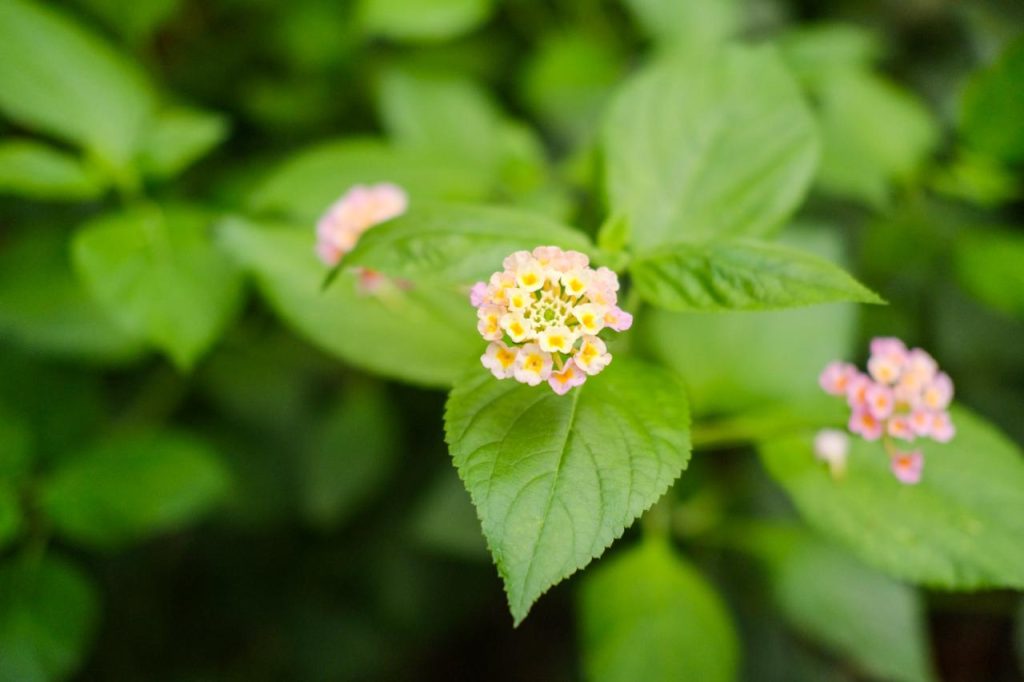
Lantana is grown for clusters of small flowers that may change colour as they age. Identify the plant before choosing its position: upright common lantana, trailing lantana and their cultivars differ in size and habit.
A sunny position and well-drained soil suit these plants. In cold climates they are often grown as seasonal bedding or kept under suitable protection; a plant sold in summer colour is not automatically hardy outdoors through winter.
Water according to the planting
Water a new planting while it establishes and inspect container compost regularly. Avoid a pot that stands in collected water. An established plant in the ground has a different root environment from one in a hanging basket.
More fertiliser does not guarantee more flowers. University of Wisconsin Extension notes that excess water and feed can reduce bloom. Check light and the existing feeding routine before adding a flowering product on top of another feed.
Shape and location
Remove faded flowers or trim to maintain an appropriate outline. Decide whether a plant needs a light tidy or seasonal pruning; frequent hard cuts are not a universal routine for uninterrupted flowering.
Before planting lantana in the garden, check local guidance because some forms are invasive in suitable climates. Choose a named selection appropriate to your area. Keep the nursery label and a photograph of the mature plant, particularly if it will be grown near paths or shared with other gardeners.
Images
Related reading: Understanding plant nutrients.
References
Horticultural references checked on 29 October 2026.