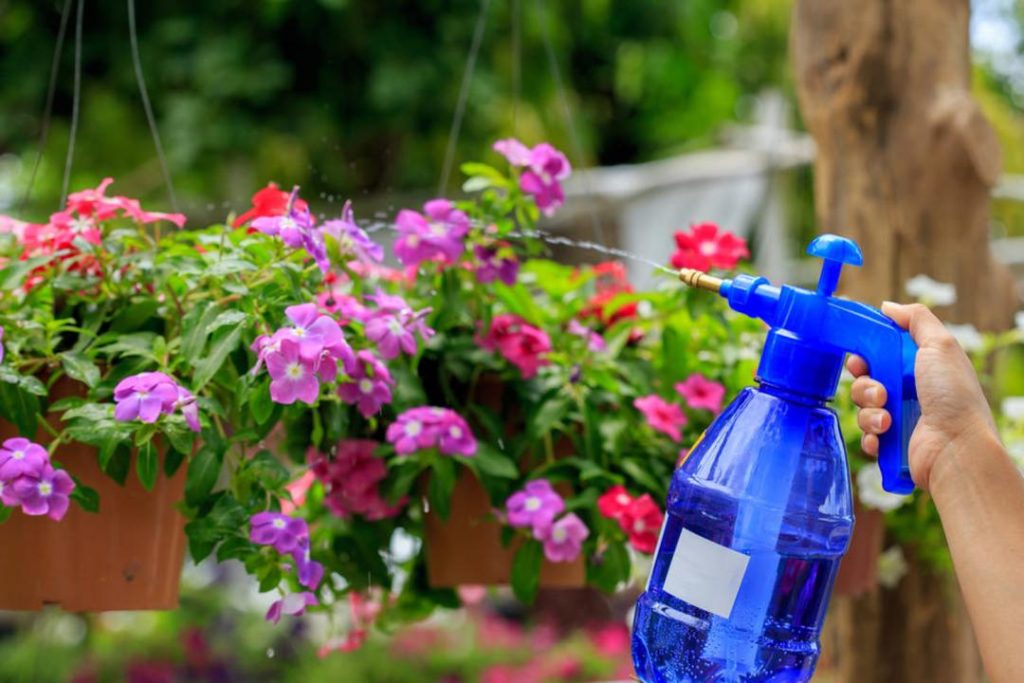
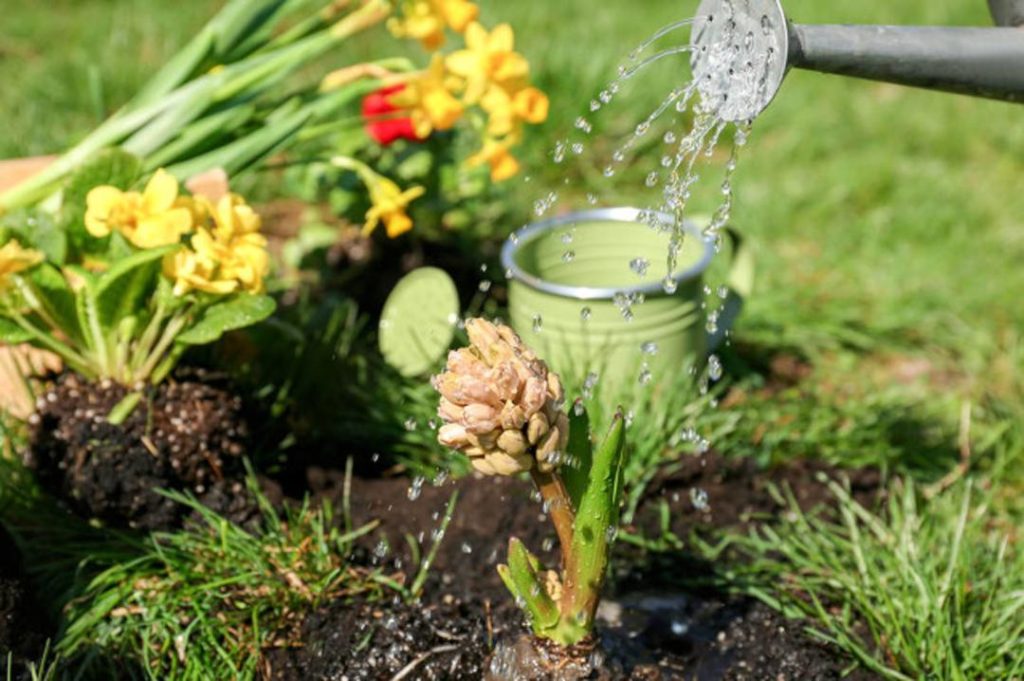
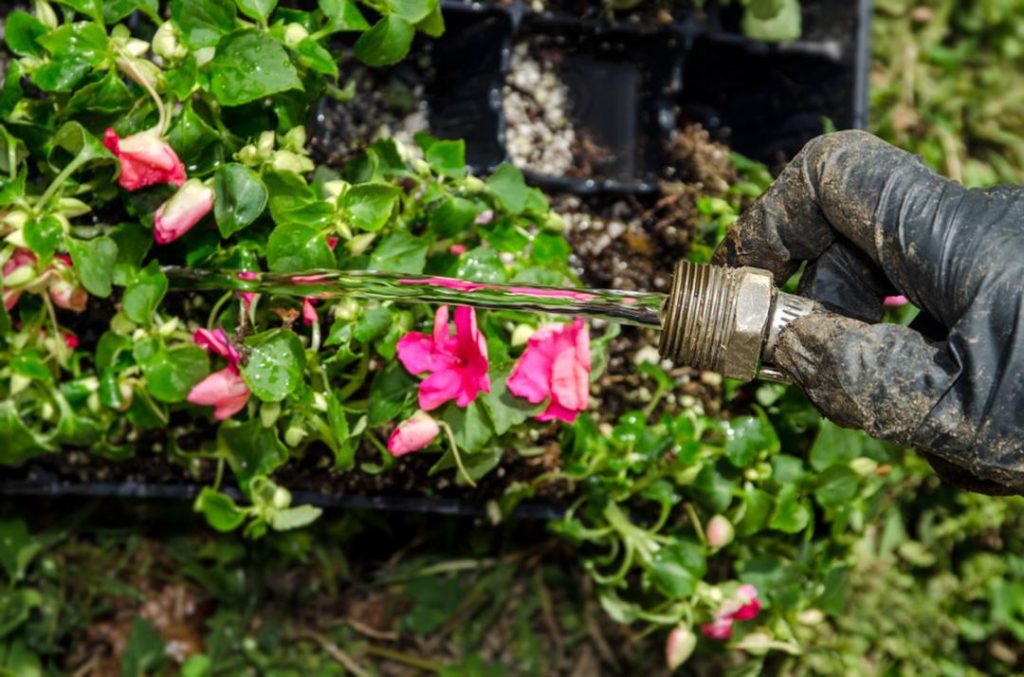
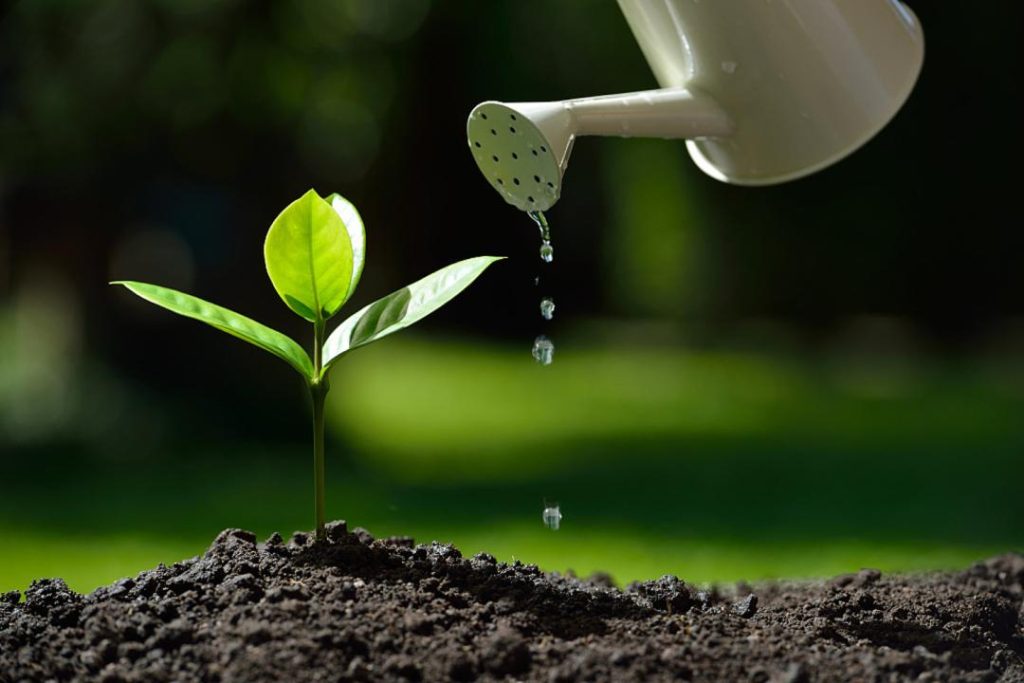
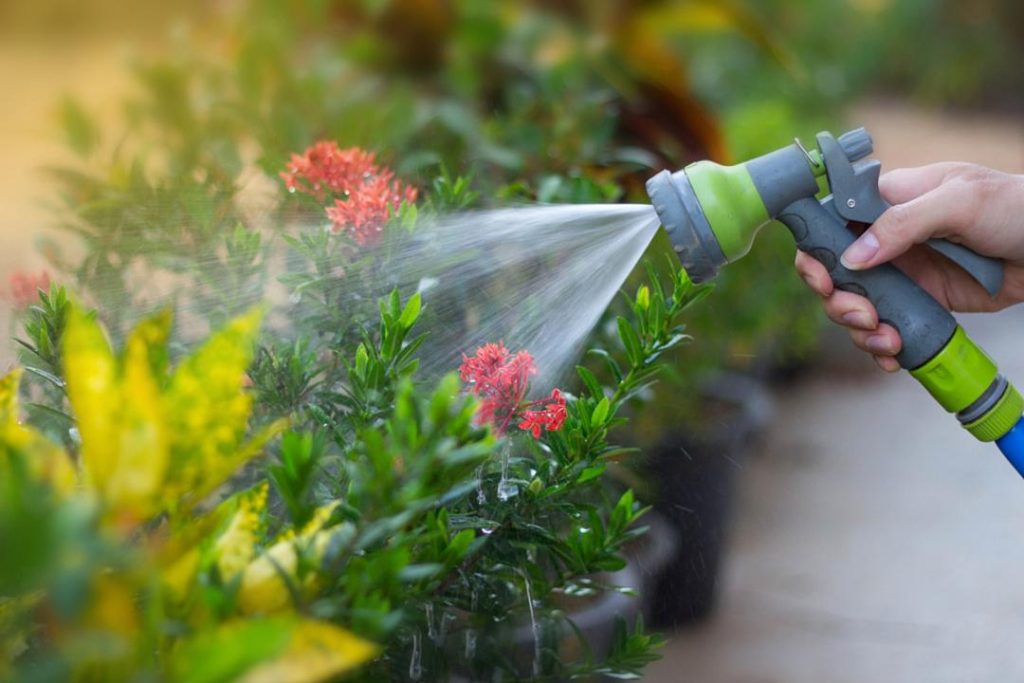
A clean plastic bottle can become a small watering tool, with the opening and flow adjusted to suit a container's size. Test the flow away from the plant first, and check that water reaches the compost without pooling around stems.
Decide what the bottle tool is meant to do
A small watering spout, slow-drip reservoir and self-watering planter are different projects. Use clean suitable containers and handle cut edges safely. A homemade tool should make root watering easier rather than hide whether the pot is saturated.
Test flow before relying on it
Hole size, water level, container height and medium affect delivery. Try the exact arrangement under observation. A bottle that empties rapidly can waterlog one pot, while a blocked outlet leaves another dry.
Keep drainage available
Ordinary soil-grown plants still need surplus water to leave appropriately. Do not leave every container standing in deep water simply because a reservoir is attached. Check the original root ball as well as surrounding compost.
Match use to the plant
A fern and desert succulent should not automatically share the same supply. Inspect roots and moisture regularly, especially before a trip. The device does not replace suitable light, reliable maintenance or plant-specific aftercare.