A potted wisteria's flowering depends on maturity and its growing conditions. Review pruning and light before assuming more fertilizer will solve a lack of buds.
Choose aged seedlings

Whether the potted Wisteria flower can be blooming annually, depending on the growth period of the wisteria. Most of the market is now selling is a seedlings. If you want to bloom, you have to wait for the last or two years. So directly buy adult seedlings planting. It can be observed that its main root is observed.
Pre-cloudy
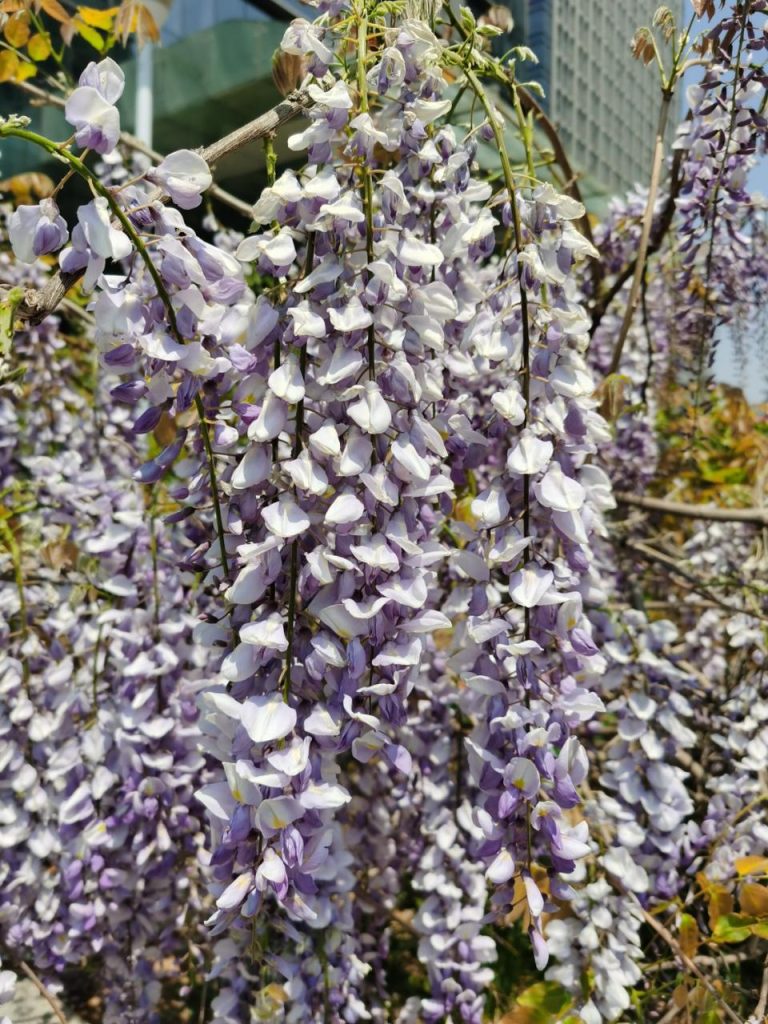
Planting adult wisteria, the flower pot is deep. Try to the root as much as possible, and the part of the portion that cannot be stretched is in the basin.
After planting, the flower pot should be placed in a ventilated shade for a week, then get normal maintenance under the sun.
Flower March
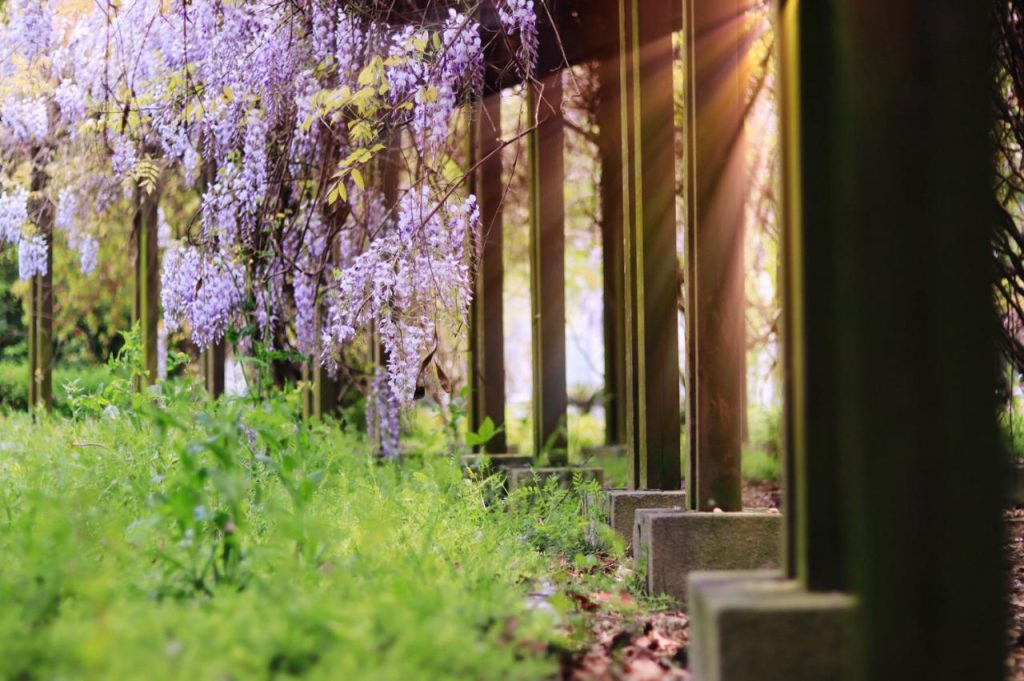
Wisteria entered the flower period in early March, and it should be appropriately reduced water fertilization after flowering. It is necessary to repair the residual flowers in time to avoid the pod. When the bouquet is too much, it can be properly cut, and the nutrient consumption is reduced.
Timely trimming
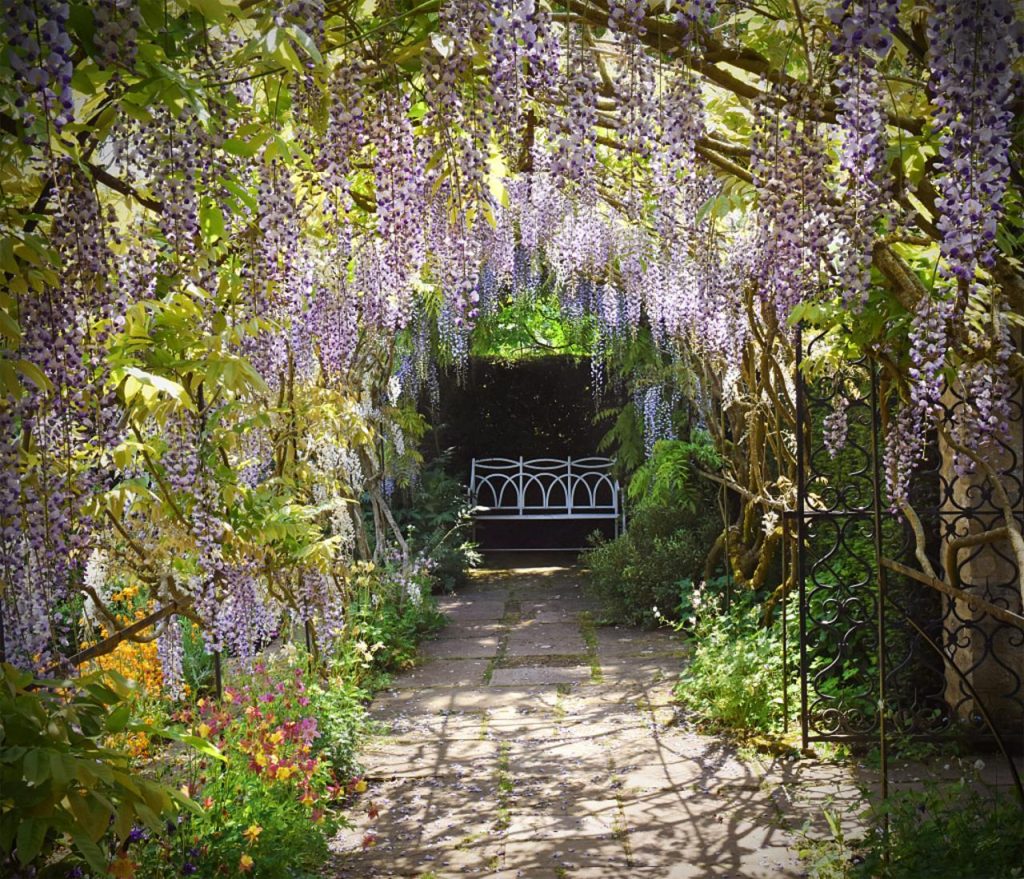
Wisteria is growing fast, and the branch elongation will climb to the peripheral object. It should be truncated in time, so as to avoid the growth of nutrients, affecting flowering.
Appropriate buckle
In daily maintenance, try to buckle water control and ensure that the branches are normal. Put phosphate fertilizer when you grow new leaves.
Yue winter maintenance
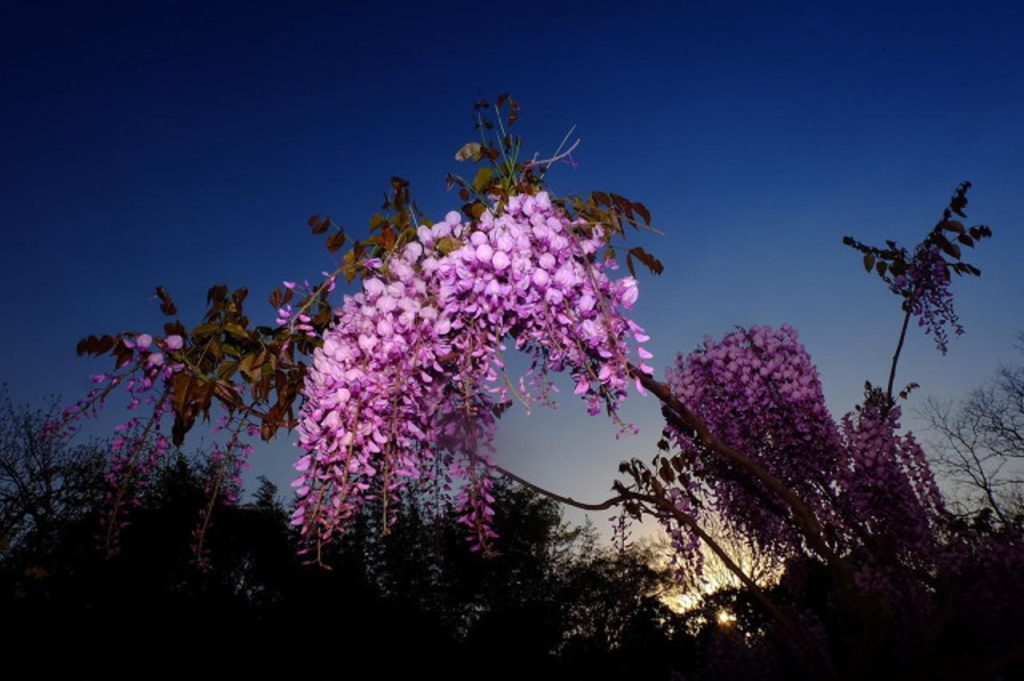
Wisteria can be low temperature resistant, and it places it at a low temperature of around 0 ° C to ensure that the potter is slightly wet. Spring will be branched!
Related reading: Wisteria Care: Supports, Watering and Pruning.