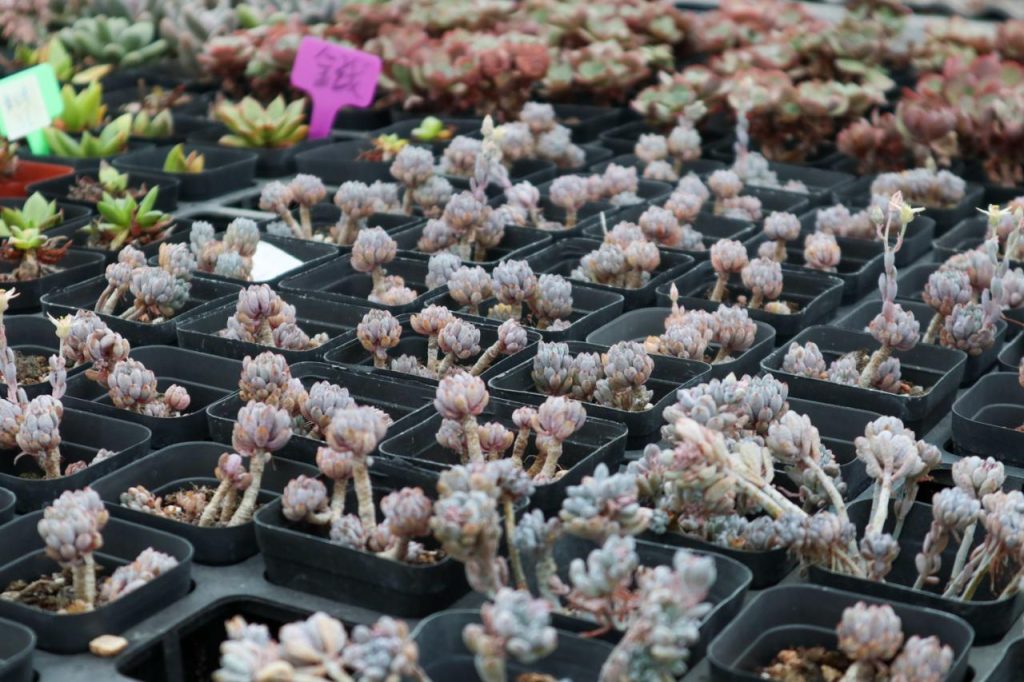
Blue Bean is a succulent trade name, and its compact leaves need careful handling alongside a freely draining growing medium. Retain the nursery label so that watering and winter care can be matched to the actual plant.
prune
Normally, when trimming, just leave the main root
Soil and drainage
Blue beans like sandy soil and can adapt to barren soil. It is best to prepare a transparent sandy soil. You can use 3 parts of rotten leaf soil, 3 parts of river sand, 1 part of the garden soil, and 1 mixed preparation of stakes. You can mix some calcium powder and stir.
Watering
Pay attention to prevent stagnant water, and rotten roots occur. When drying, spray water in the surrounding air, and the center of the leaves should not be accumulated, otherwise it will cause rotten heart and avoid being rained.
Sunshine: Blue beans like the sun, but to prevent high temperature and too warm light, it will be the aging of the leaves and affect the ornamental effect. Therefore, when the temperature is hot
Fertilize
Feed only when appropriate to active growth and the growing medium. Use a labeled succulent product at the stated rate rather than applying several different fertilizers on a fixed twenty-day cycle.
Care considerations
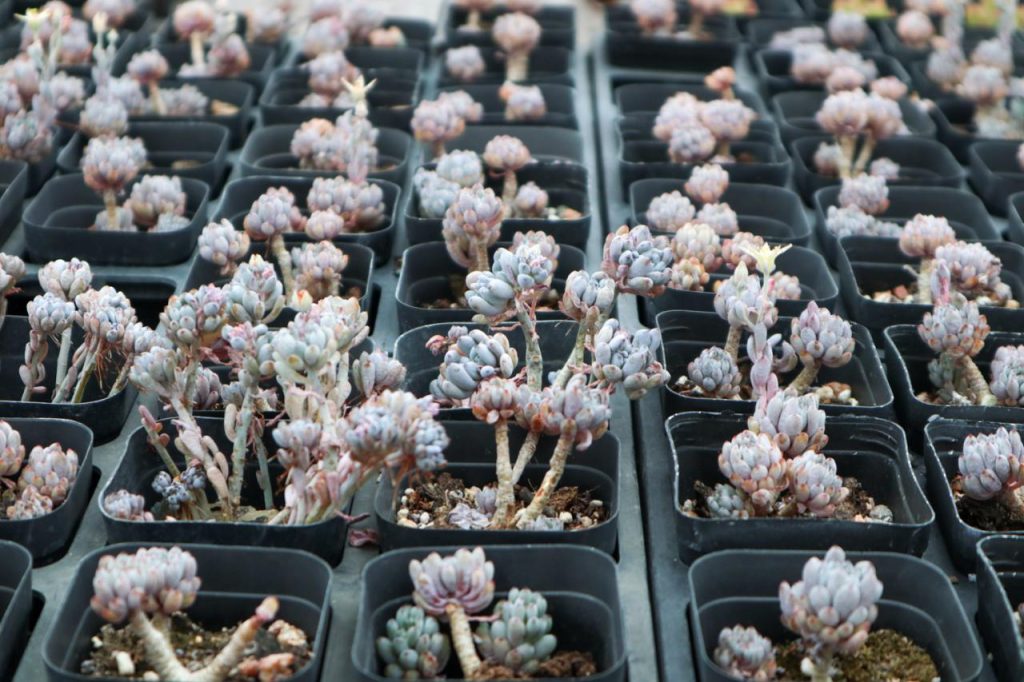
Blue beans often have the harm of pests and insect pests. After spraying the pyramid cleaner, the root width can be controlled by a 3%sutanan particle. Insect pests have black phenomenon hazards, and 25%western -causing wettable powder was sprayed and killed.
Related reading: Echeveria chihuahuaensis and Colorata: Rosettes to Compare.