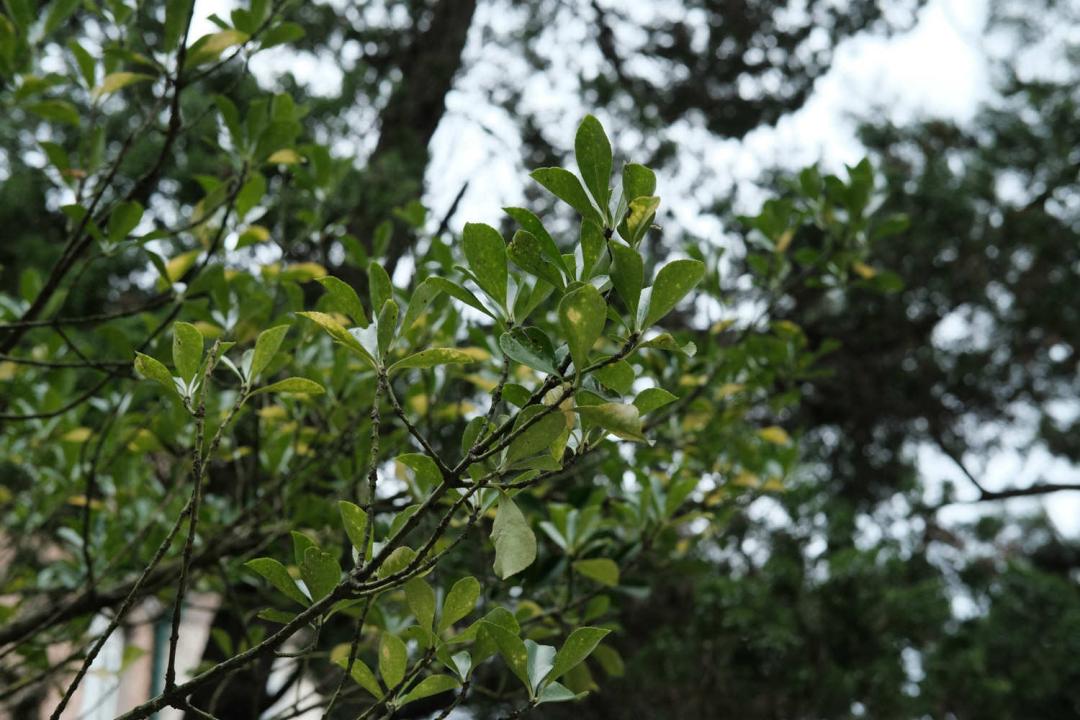
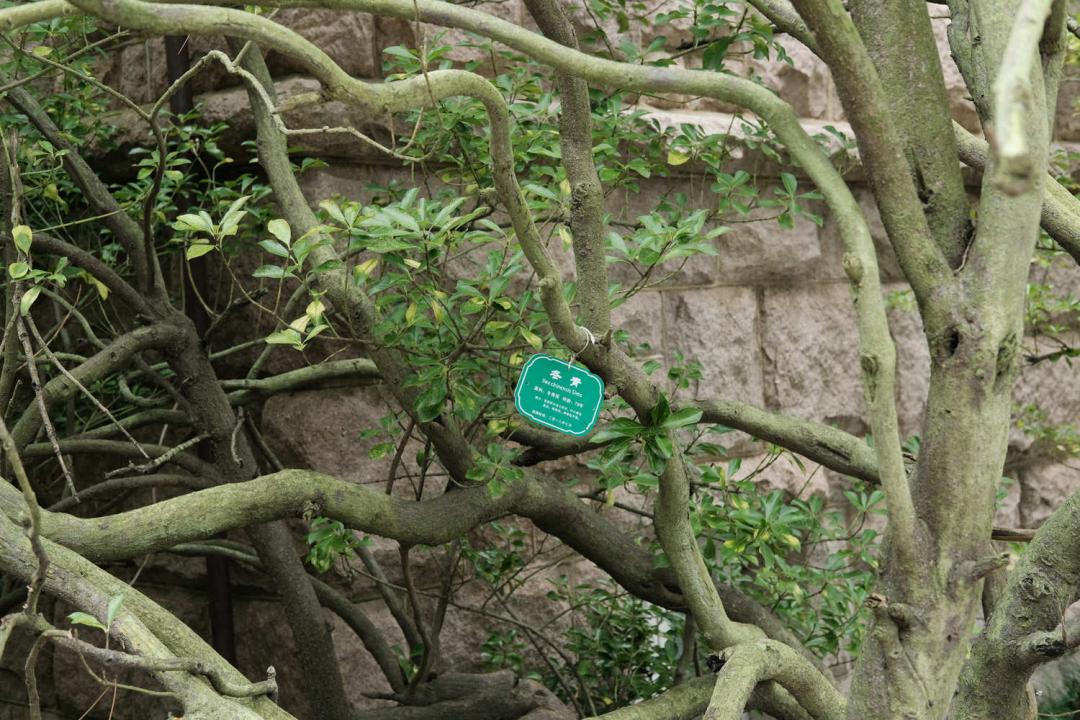
Holly pruning should suit the species and intended shape. Keep cultivar information and consider reproductive growth before cutting every branch alike.
Identify which holly is growing
Holly includes evergreen and deciduous Ilex species with different sizes and growth habits. Keep the species and cultivar label before choosing a pruning routine. A formal hedge and a specimen grown for berries have different priorities.
Decide what the cut should achieve
Remove dead, damaged or rubbing branches first. For a hedge, trim to retain a useful outline without stripping it to bare wood unnecessarily. For a fruiting specimen, consider how cutting may remove flowers or developing berries.
Check fruiting requirements
Many hollies have separate male and female plants, although cultivar exceptions exist. Confirm the pollination needs of the particular selection before assuming a lack of berries is caused by poor feeding or insufficient pruning.
Work around growth and wildlife
Time larger cuts using local horticultural guidance and check for active nests before disturbing dense growth. Keep tools clean and inspect the framework as you work. Heavy pruning, root disturbance and drought together place more strain on a plant than selective maintenance.