Summer succulent care should follow the plant's activity and the drying rate of its pot, since different kinds respond differently to heat. Watch new growth, leaf firmness and root-zone moisture before deciding to reduce water.
Separate active plants from resting ones
Summer is a weather description, not a shared growth phase for every succulent. Keep species labels and watch new leaves, stems and roots. A winter-growing plant slowing in heat needs a different assessment from one growing vigorously.
Inspect exposure and ventilation
Introduce sheltered plants to stronger sun gradually. A hot closed balcony can overheat pots even when the outdoor forecast seems acceptable. Appropriate shading and airflow may address the problem more effectively than repeatedly watering.
Check moisture beneath the surface
Decorative grit can hide wet compost. Water according to the identified plant's needs and actual drying, allowing surplus to leave. Daily misting does not replace root watering, and withholding all summer water is not suitable for every species.
Distinguish leaf use from decay
Some plants naturally consume older leaves or tighten rosettes during rest. A soft spreading base is different. Investigate the cause before increasing water or feed, and avoid unnecessary root disturbance while a sound plant is resting.
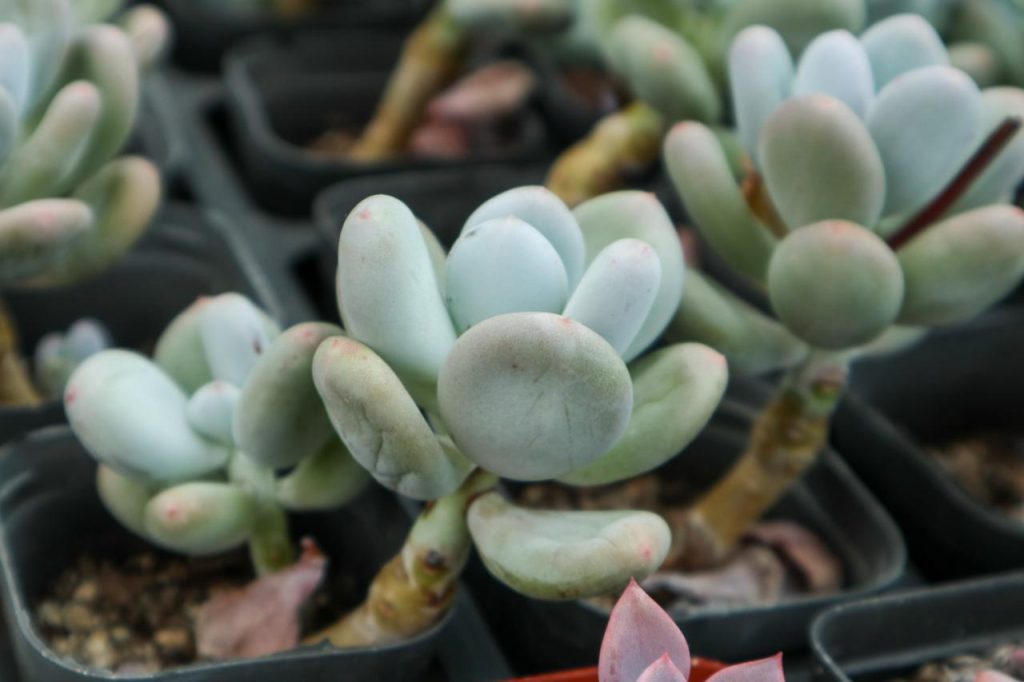
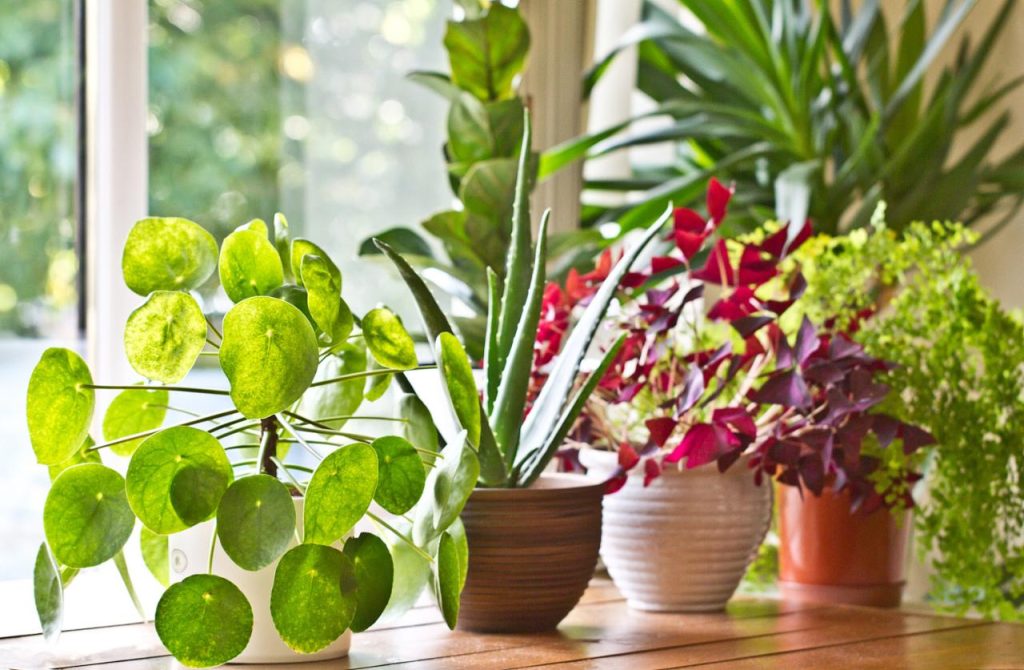
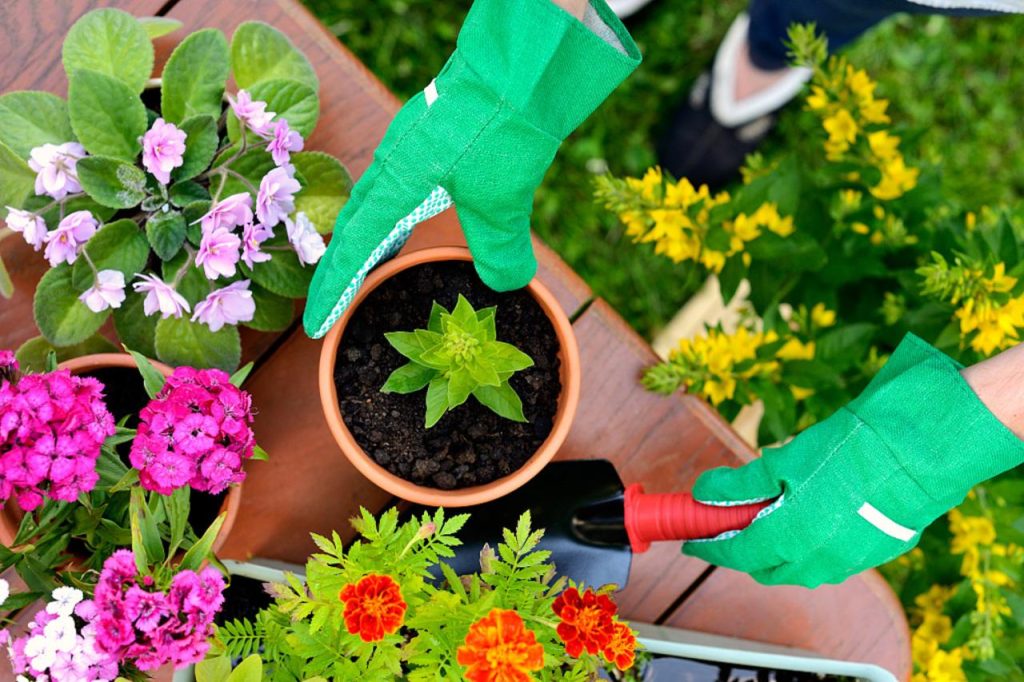
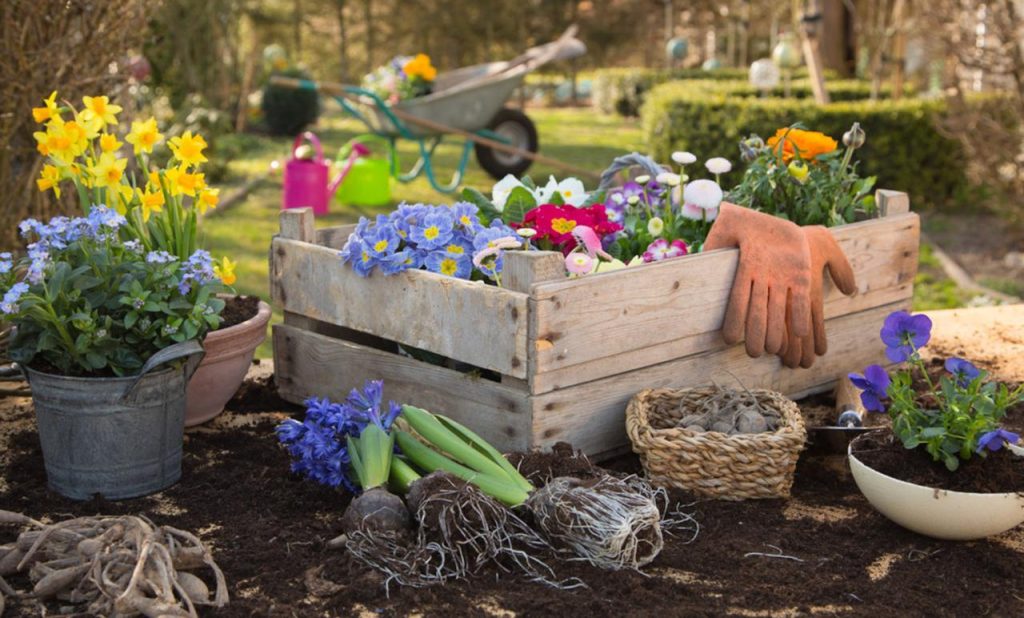
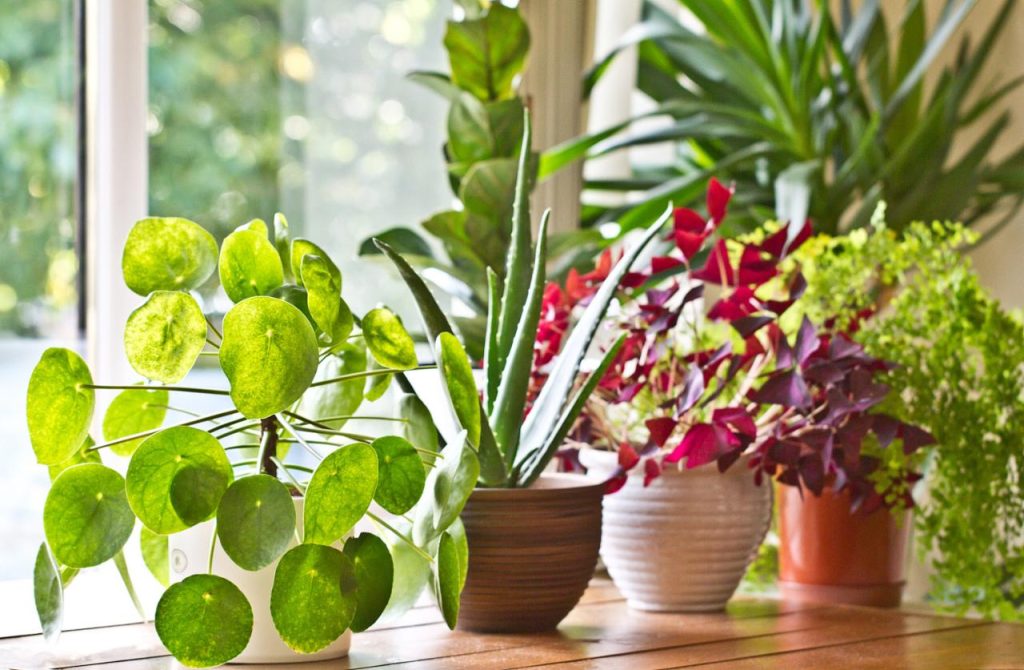
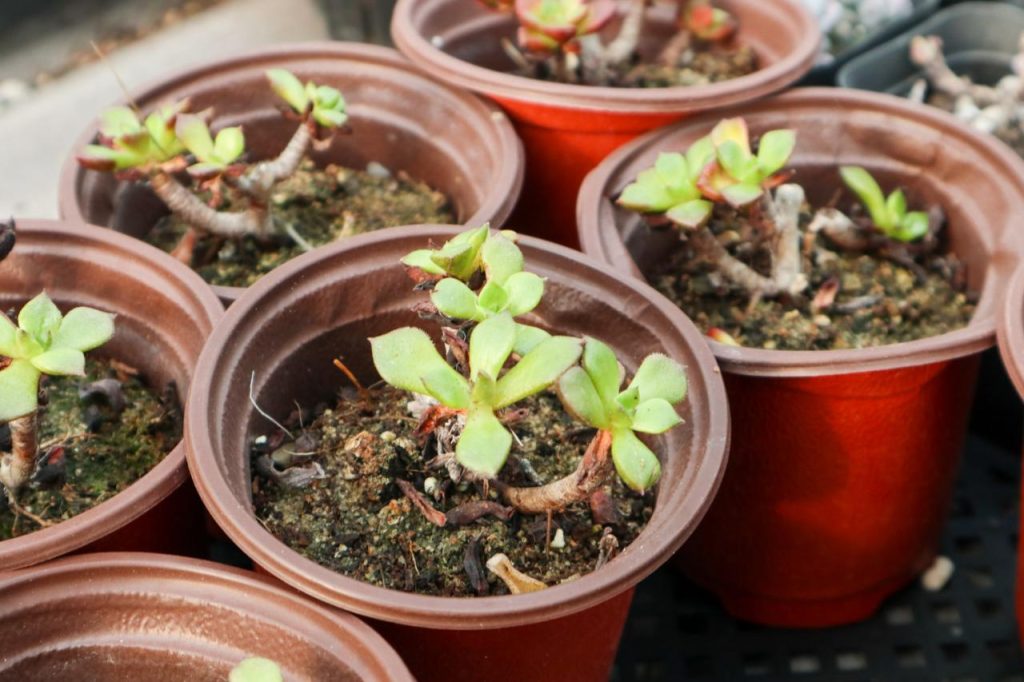
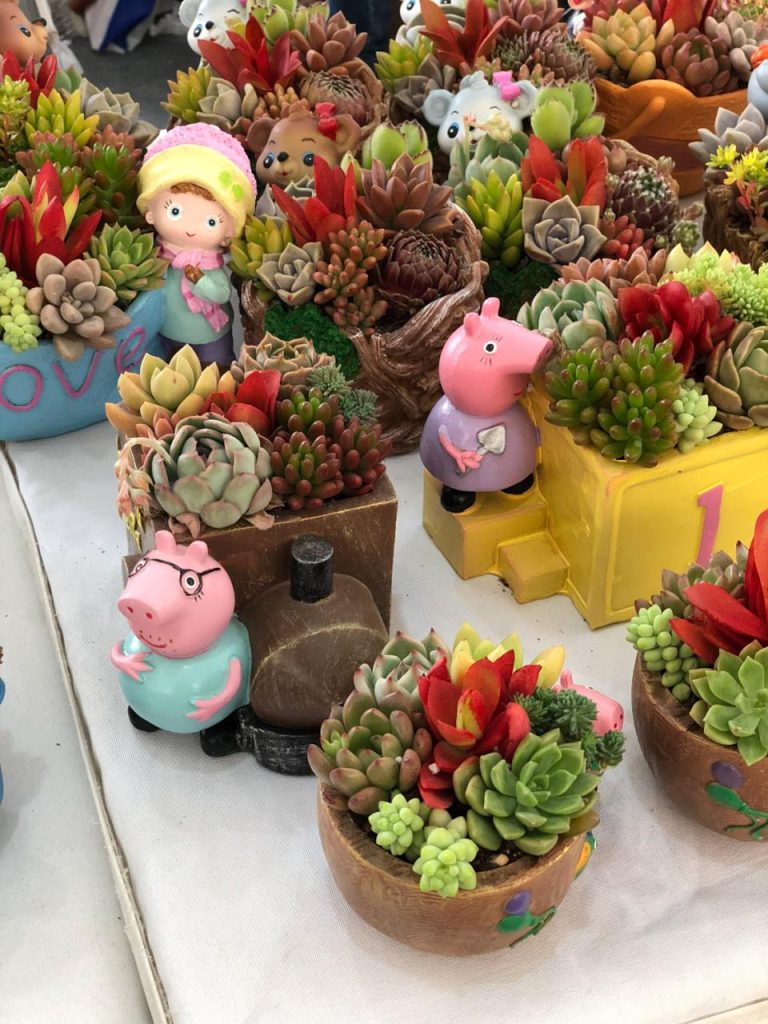
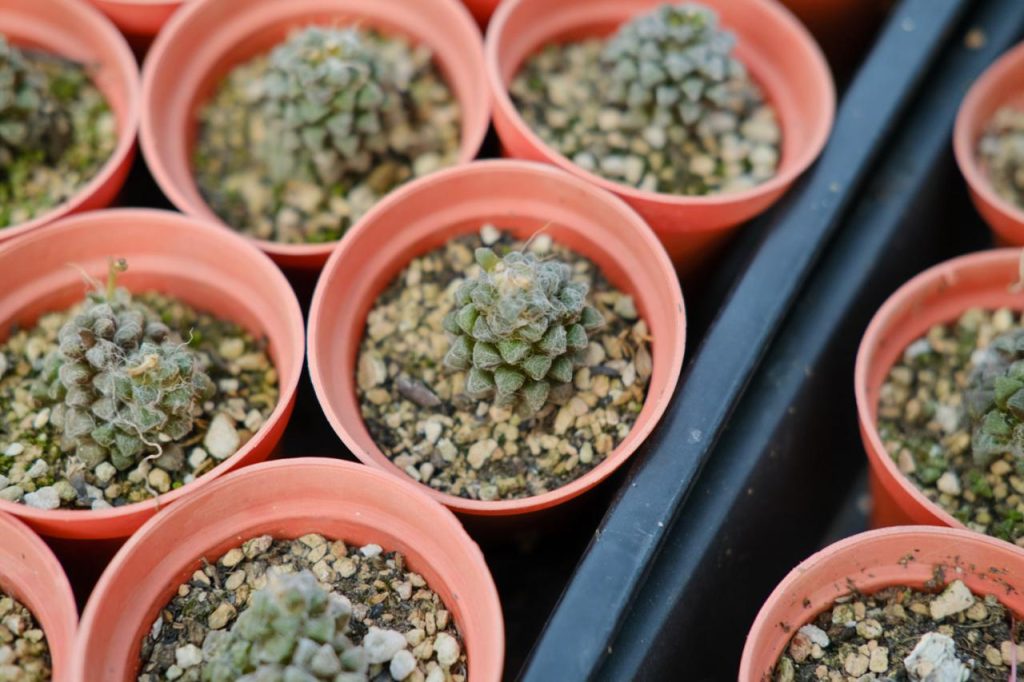
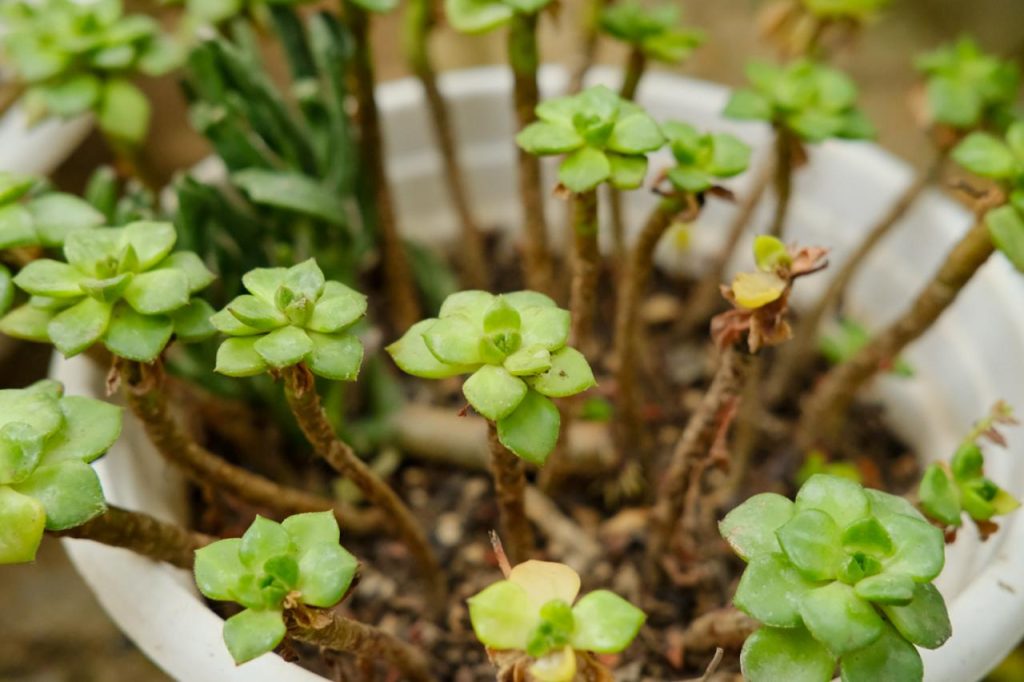
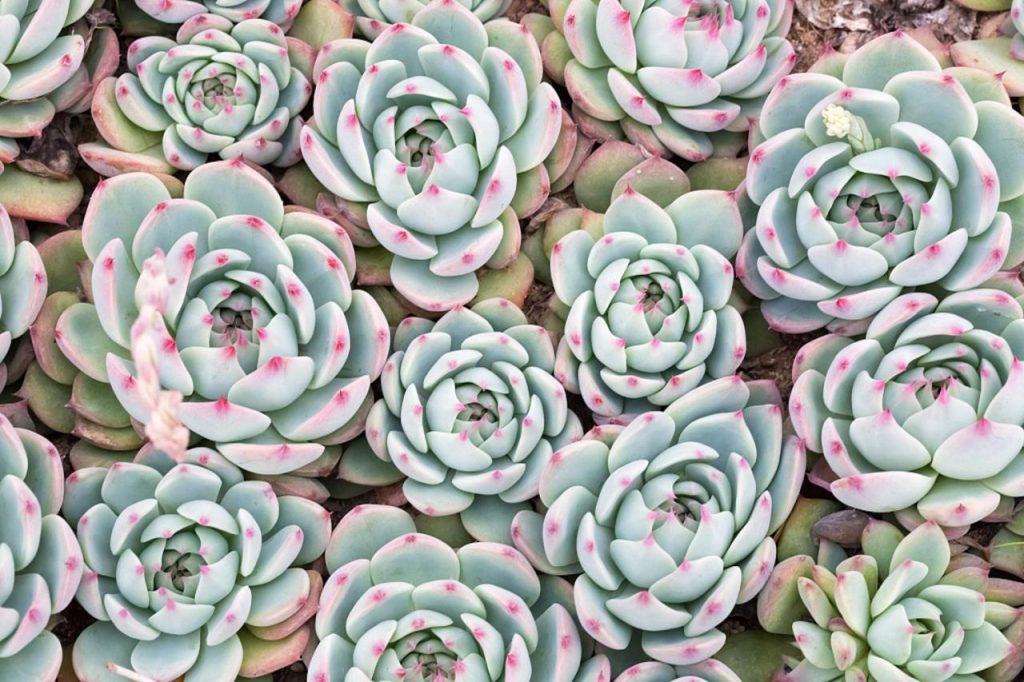
(Author: Yuan Er Che Nam Source: Multi -meat bar) 3, no watering at noon, watering is best in the evening, the temperature is high at noon, the water temperature rises after watering, and it is easy to break the roots. And watering should be dried and wet, not too much. 4. If the temperature reaches 35 ~ 40 degrees, it is necessary to take the necessary cooling methods. It can be placed in the air -conditioned room. Summer species only grow faster in summer, and too much temperature can cause death!
(Author: Call me king of Kai_tae Source: Multi -Bar) Watson: Dark Leaf Watson, Wolf Claw Watson, Zi Lianhua, Phoenix, Fuji and so on.