Peace lily, pelargonium and coinwort can decline for different reasons, so a rescue routine needs to start with the individual plant. Check its growing medium and recent conditions before applying advice intended for one of the others.
Peace lily: too much water
The usual mistake is a daily cup of water into a peat-heavy pot. The surplus collects around the rhizomes, and the plant goes soft from the base with brown, collapsing leaf stalks.
If the roots have already gone, take the plant out of the pot, shake the compost off and rinse the roots so you can see what is alive. Cut away every rotten one with a sharp blade, dust or wipe the cuts with a fungicide, and let the plant sit in a cool, airy place until the wounds dry. Repot into fresh, open mix, water once, and keep it shaded and ventilated while it rebuilds. The mix you go back into matters as much as the surgery; sterilising potting soil keeps the rot from being re-introduced with the compost.
Afterwards, water on a rule rather than a habit: push a finger into the surface and if the top three centimetres are dry, water through, which in most rooms means every seven to ten days rather than every day. A peace lily grown in pure peat is very hard to water correctly, and people who know they are heavy handed do better growing it with the roots in water than in soil.
The other common death is sun. Peace lily wants bright, indirect light, and a scorched plant has bleached, papery edges. Move it to a cool, airy position out of the beam. Cut off the worst of the burnt and yellowing leaves so the plant stops supporting them, then feel the surface before doing anything else. If it is dry, water once and mist the leaves two or three times over the following days; if it is damp, mist only.
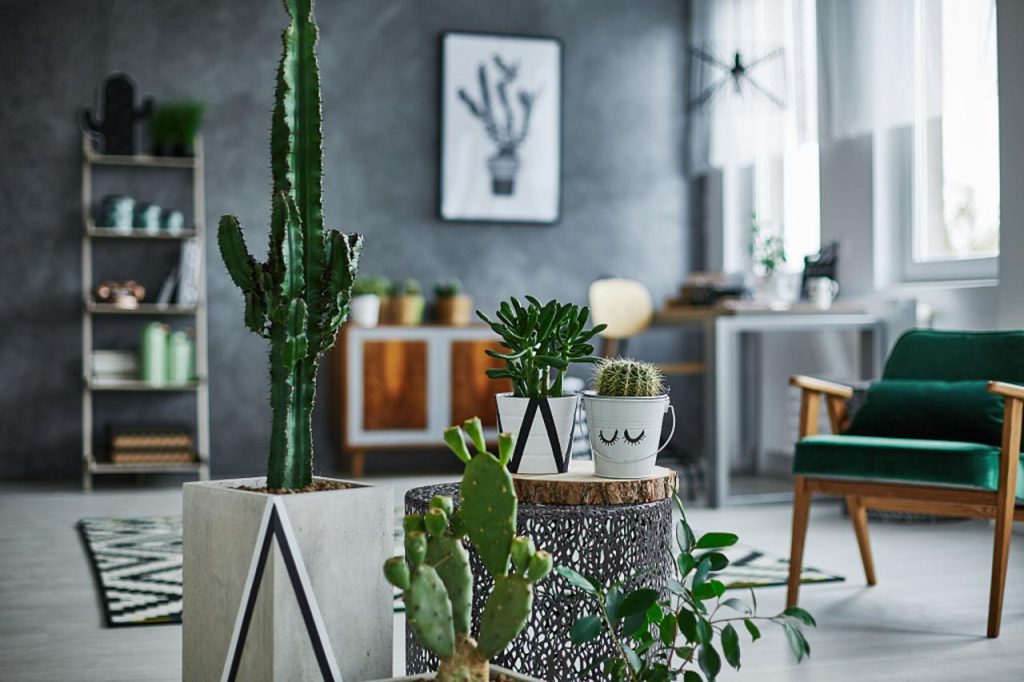
Pelargonium: summer black rot
In hot, humid summers, and especially where a rain-soaked plant is then baked by sun, pelargonium stems go black from the middle and collapse. Once a stem has blackened there is nothing to be done about that stem. Take cuttings from whatever is still firm and healthy, and treat the parent plant as a mother stock rather than a specimen.
Cut healthy shoots with a clean blade, strip the lower leaves off, and let the ends dry in a cool, airy place for about two hours so the sap seals. Stand them in a cup of water, topping it up as the level drops and changing the water every three days or so. Roots generally show in about a fortnight, at which point they go into a gritty mix; the propagation cuts article covers the potting-on step in more detail, as does the one on cutting compost.
Prevention is a watering change, not a fungicide. Through summer, water less rather than more and only when the pot has gone genuinely light, roughly every seven to ten days, and keep the water off the stems and leaves. Bottom watering does both at once, and the pot choice makes a difference too.
Coinwort: it is a marginal plant, treat it as one
Coinwort, the small round-leaved Hydrocotyle sold as copper coin grass, is an aquatic. Left dry for a few days it wilts and yellows and looks dead. The remedy is to stop growing it as though it were a houseplant: soil at the bottom of a waterproof container and a layer of water always sitting on top of it, in full sun.
If a pot has already dried out, check the runners before giving up. Cut off every leaf, tip the plant out and look at the stems under the soil; anything still green can be rescued. Set the green runners into a jar with about a centimetre of water above the compost, keep it in bright, ventilated shade out of direct sun, and new leaves follow from the nodes.
Light is the second half of the problem. Coinwort grown on a desk dies of shade, however carefully it is watered; it wants the outdoors in summer or the sunniest sill you have, with the water layer topped up as it evaporates.
Related reading: Yellow Leaves and Root Rot: Diagnose Before Treating.