Bleeding heart grows best with moisture around its roots and shelter from harsh conditions while its spring growth is active. Foliage may fade after flowering, so distinguish normal seasonal decline from a plant that has dried out.
Give bleeding heart a sheltered, suitable position
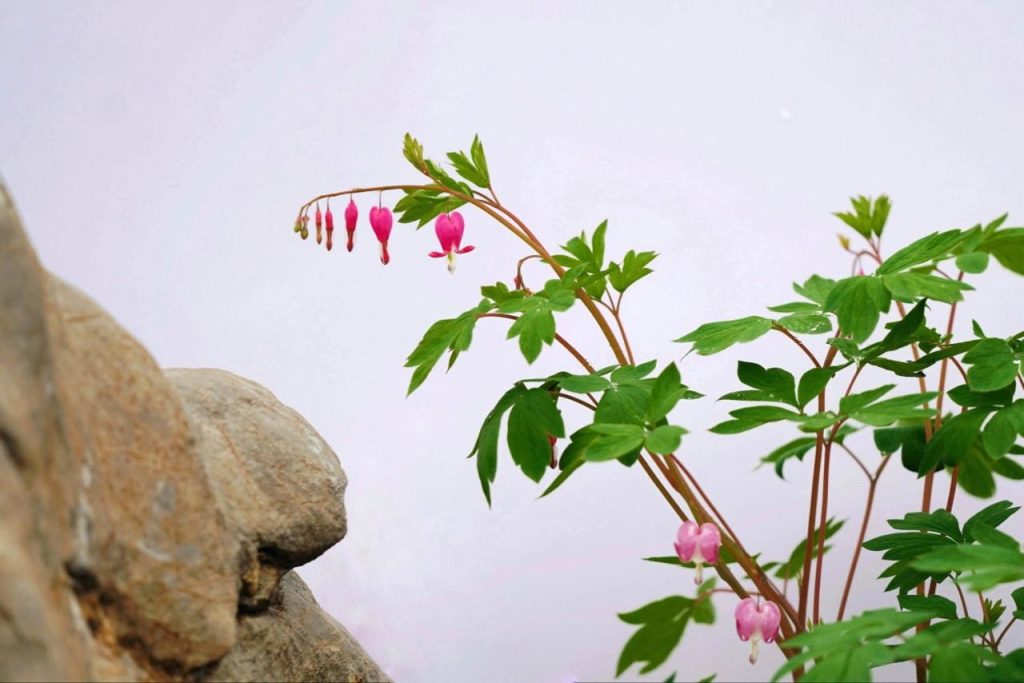
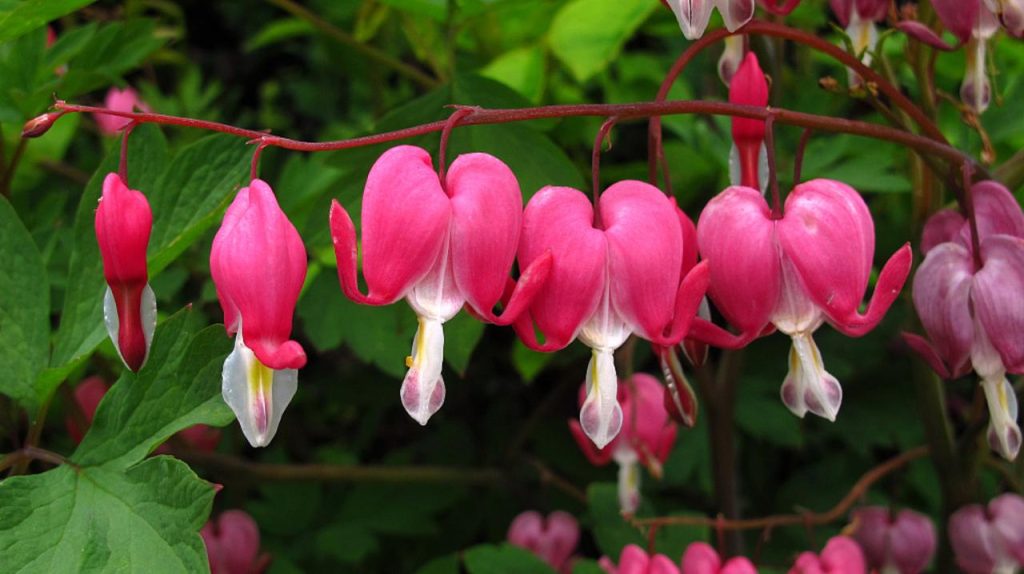
The familiar arching-flowered bleeding heart, Lamprocapnos spectabilis, suits moisture-retentive soil with drainage and appropriate shade. Avoid a site where the crown remains waterlogged. Mark its position so resting roots are not disturbed accidentally.
Support active spring growth
Water young plants through establishment and inspect the soil during dry spells. A shaded surface can conceal a dry root zone. In a container, allow excess to leave rather than keeping the pot permanently submerged.
Yellowing can be seasonal
The foliage may decline as the plant enters summer rest, particularly in heat or dryness. That differs from every kind of disease or root collapse. Check the growing stage and crown before feeding heavily or trying to preserve all leaves with extra water.
Divide only substantial healthy material
Where renewal is needed, use an appropriate stage and retain roots and viable growing points. Replant promptly and protect divisions from drying while they establish. A divided plant may need time before another substantial flower display. Keep the botanical label, since other plants also share bleeding-heart names.
Related reading
When Does Bleeding Heart Flower?