Small mallow shrubs are often sold as dwarf hibiscus. Check whether the plant is an Anisodontea before applying instructions for tropical or hardy Hibiscus species.
Identify the cape mallow selection
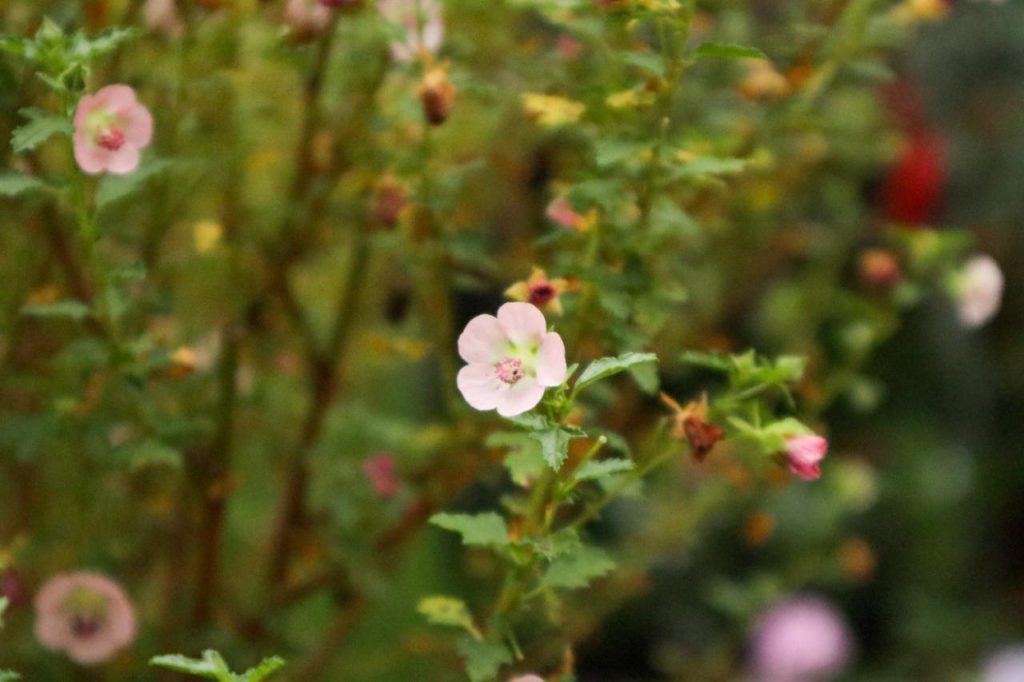
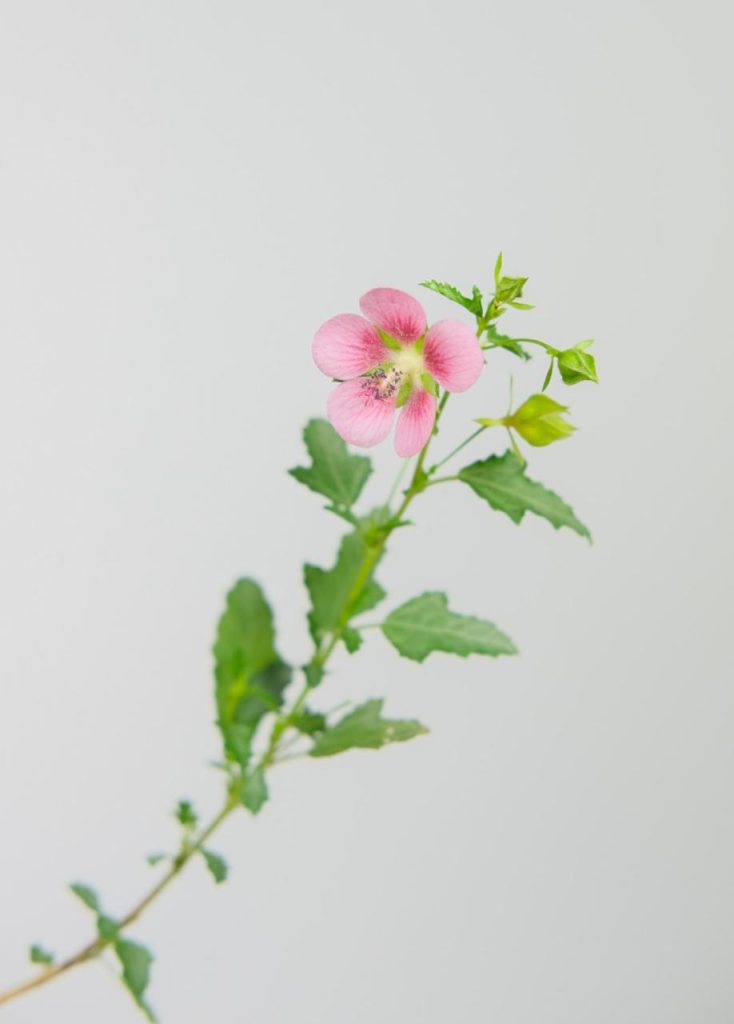
Cape mallow is commonly sold as Anisodontea, often in compact flowering selections. Keep the cultivar label and allow for its eventual woody growth. It is not managed exactly like every tropical hibiscus simply because the flowers look similar.
Give it useful sun and a draining pot
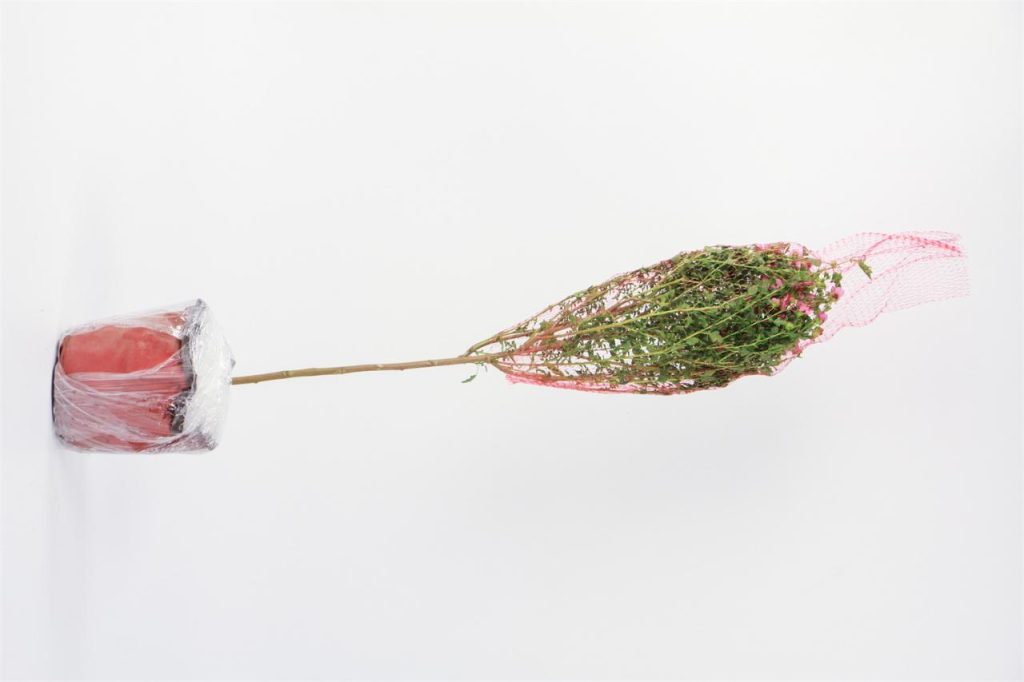
Choose a bright position and introduce a sheltered nursery plant outdoors gradually. Use suitable container compost and enough root space. Avoid surrounding a small plant with an excessive volume of wet mix in an attempt to guarantee rapid growth.
Check moisture during a long display
A leafy flowering container can dry quickly in wind and warm weather. Water when required and let surplus leave. If the pot remains heavy and wet while leaves wilt, investigate the roots before adding more water.
Prune and protect according to growth
Shorten selected healthy stems to maintain the desired structure, leaving enough foliage for recovery. Hardiness depends on the selection and local conditions, especially around container roots. Feed appropriately during healthy growth rather than using fertilizer to force an unsuitable winter display.
Related reading
Cape Mallow and Hibiscus: Similar Flowers, Different Names
Horticultural reference
SANBI PlantZAfrica: Anisodontea scabrosa; a cape mallow example