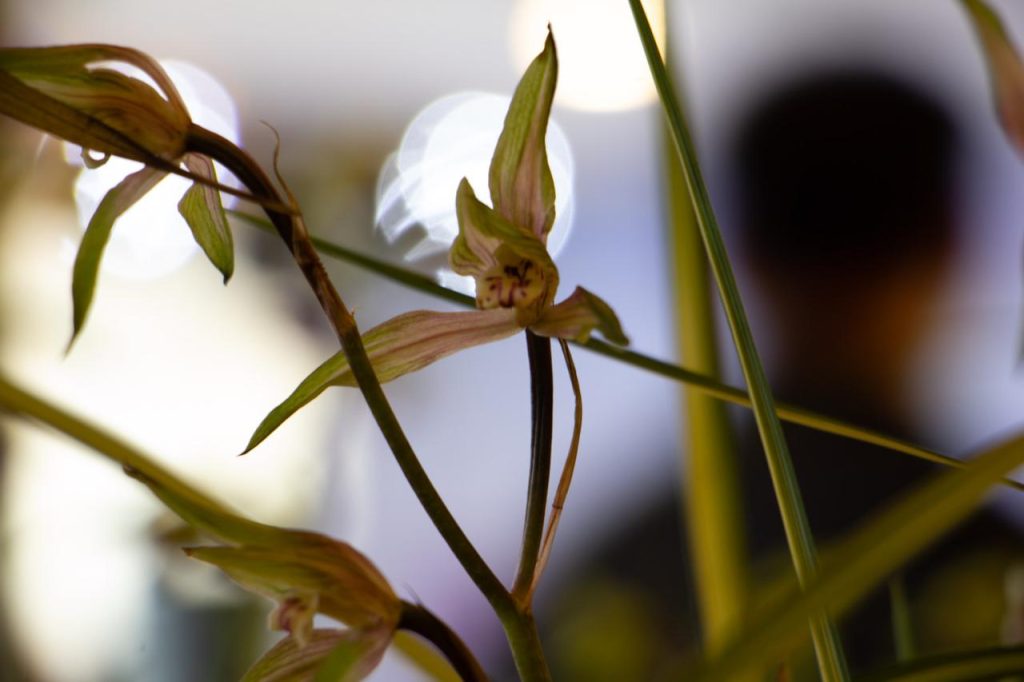
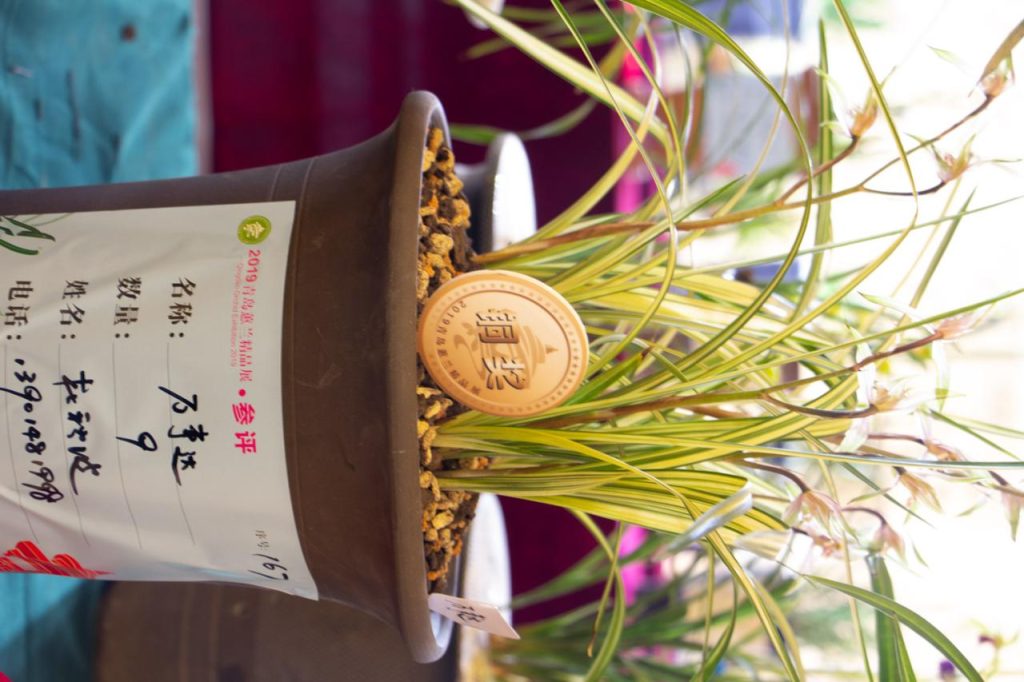
An orchid's position affects its light, airflow and drying rate, so moving the pot can change how often it needs attention. Watch the roots and growing medium after a move instead of keeping the old watering interval automatically.
Start with the orchid's full name
Terrestrial orchids and epiphytes do not share one potting and watering prescription. Keep the species or hybrid label and supplier information. A generic orchid tag cannot establish every seasonal temperature or rest requirement.
Inspect the root environment
Check whether bark, moss or another medium remains open and sound. The center may stay moist after exposed particles dry. Replace deteriorated material at an appropriate stage rather than repeatedly disturbing healthy roots for an arbitrary calendar date.
Provide useful light and air movement
Choose the exposure suited to the plant and introduce stronger light gradually. An overheated sealed display is not a suitable substitute for humidity. Gentle ventilation should not become a persistent cold or drying draft.
Water and feed with evidence
Assess root firmness, moisture and active growth before watering. Wrinkled leaves can follow dryness or failing roots. Feed healthy active roots appropriately; additional fertilizer cannot repair decay, create adequate light or replace an unidentified orchid's seasonal needs.