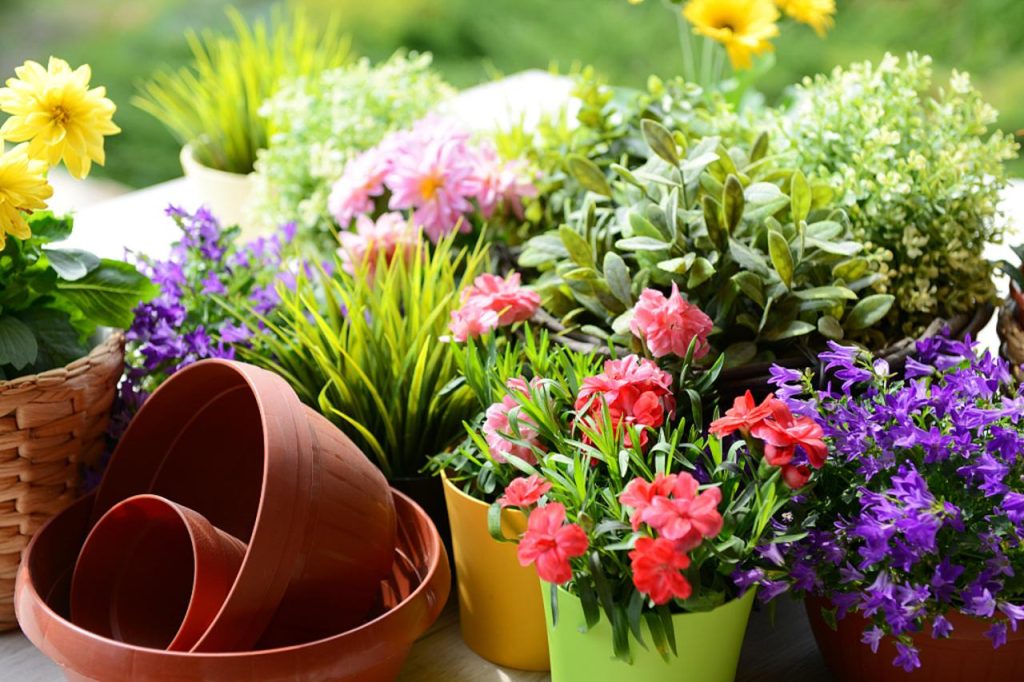
Fringed Pink needs care matched to its botanical identity. Compare the label and growth habit before choosing a pot or garden position.
Confirm the fringed pink's species
Dianthus includes annuals, short-lived perennials and longer-lived selections with different habits. Keep the botanical or seed label before choosing spacing, climate protection or propagation. Fringed petals alone are not a complete identification.
Provide light and workable drainage
Choose the exposure and soil appropriate to the named plant. Water newly planted roots through establishment and check containers during dry weather. Avoid burying crowns beneath damp material or keeping a small pot constantly saturated.
Keep growth open rather than crowded
Allow room for air and the intended mature shape. Thin seedlings or divide suitable established material only when appropriate. Weak pale growth in a congested shaded position needs better conditions before fertilizer is increased.
Manage flowers according to the goal
Remove spent material where continued display or reduced seeding is wanted, retaining healthy leaves. Use reliable species guidance for any later cutback. Extra feed cannot guarantee continuous bloom through unsuitable weather or give every Dianthus the same lifespan and growth cycle.