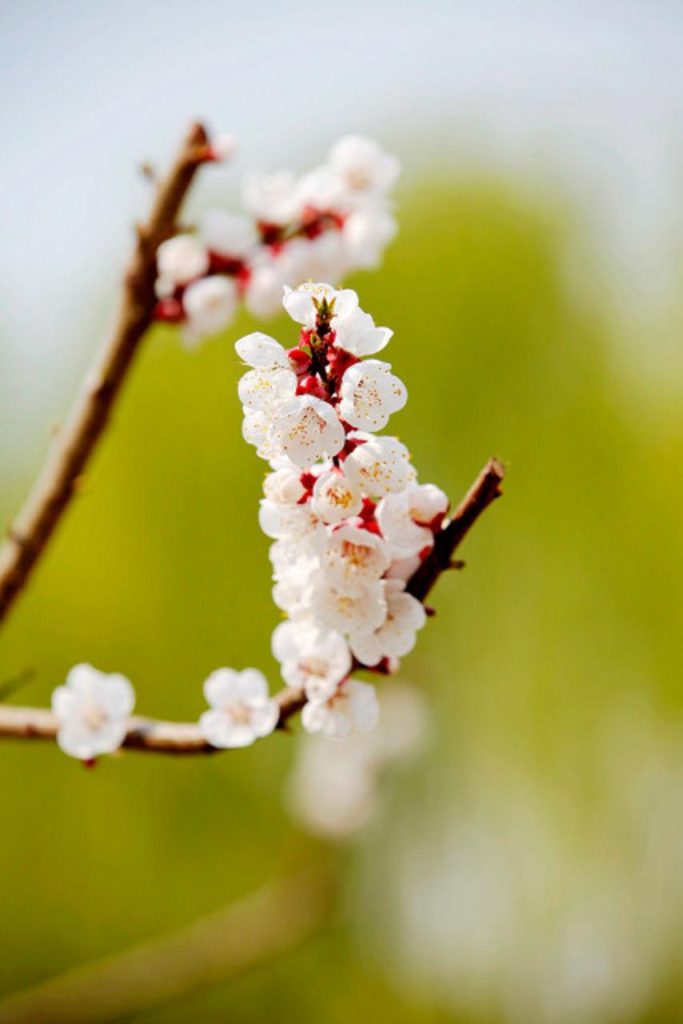
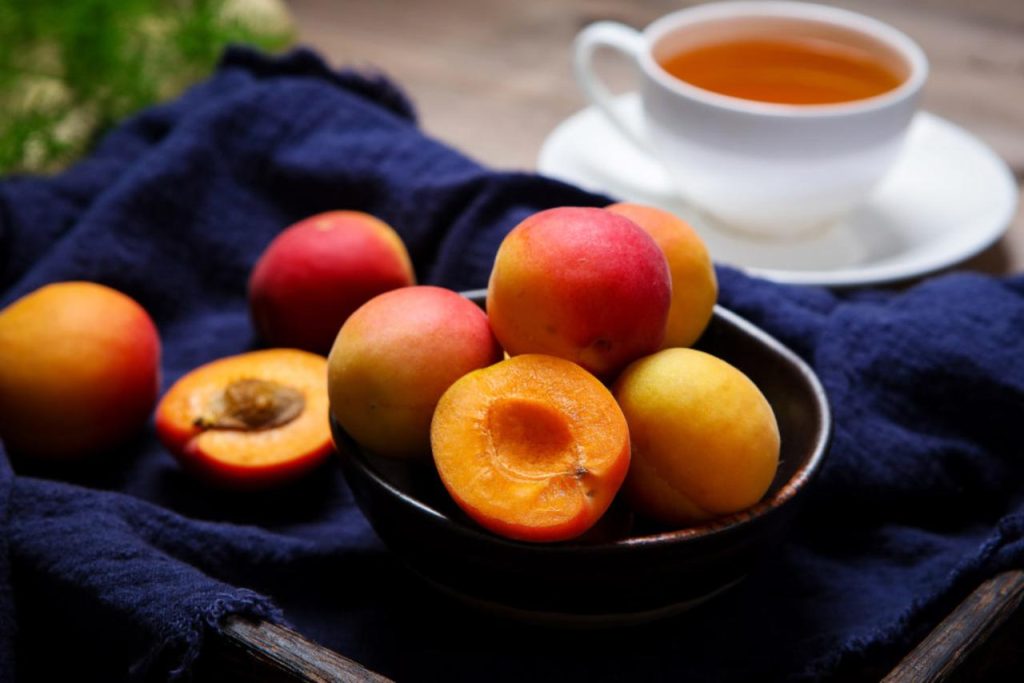
An apricot tree needs a suitable climate and room to develop. Check the cultivar and rootstock before planning a container or garden position.
Keep the apricot cultivar and rootstock record
Apricot trees vary in vigor, climate requirements and cropping behavior. Choose a named plant suited to the site and available root space. A seedling is not a guaranteed copy of the fruit from which its stone was taken.
Establish roots at an appropriate level
Use suitable draining soil or container compost and avoid burying the graft union. Water the original root ball while the tree settles. A dry nursery root ball can remain dry even when surrounding new material feels damp.
Provide light and room for branches
Choose enough exposure for healthy growth and allow a workable framework. Flower buds can be affected by weather and unsuitable pruning. Do not repeatedly shorten every shoot merely to fit an undersized position.
Plan seasonal work locally
Pruning timing and disease risks depend on local conditions, so follow regional fruit-growing guidance. Check pollination requirements for the cultivar. More fertilizer cannot guarantee a crop when blossom is damaged, roots are failing or the growing season is unsuitable.