Carnivorous plants have fascinating traps, but a few pots will not reliably protect a room from mosquito bites. Choose them for their growing needs and interest.
Traps make interesting plants
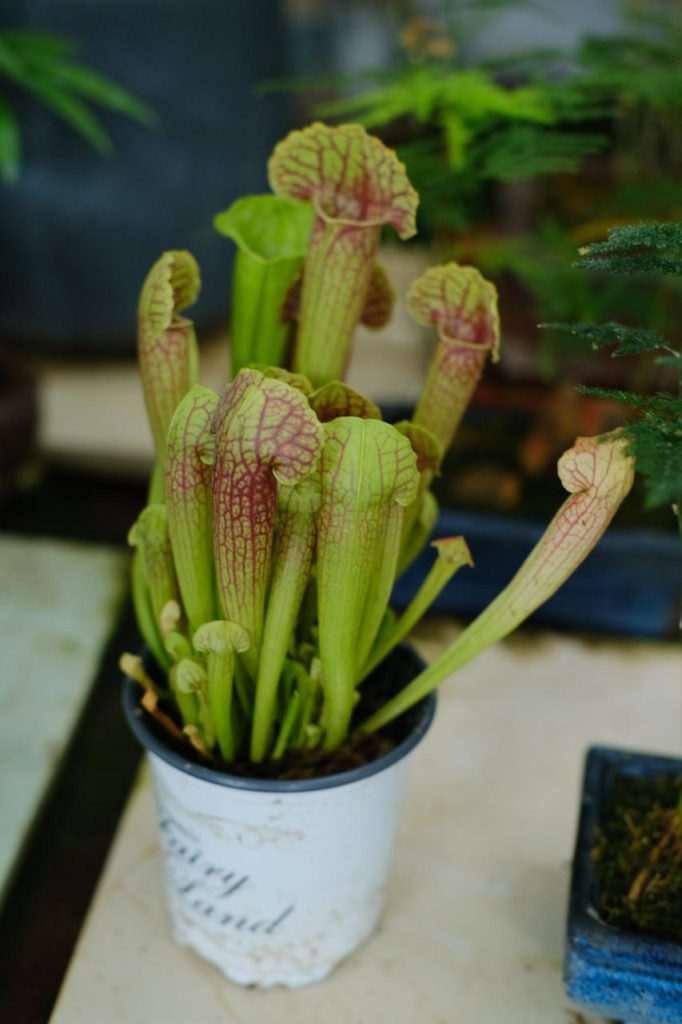
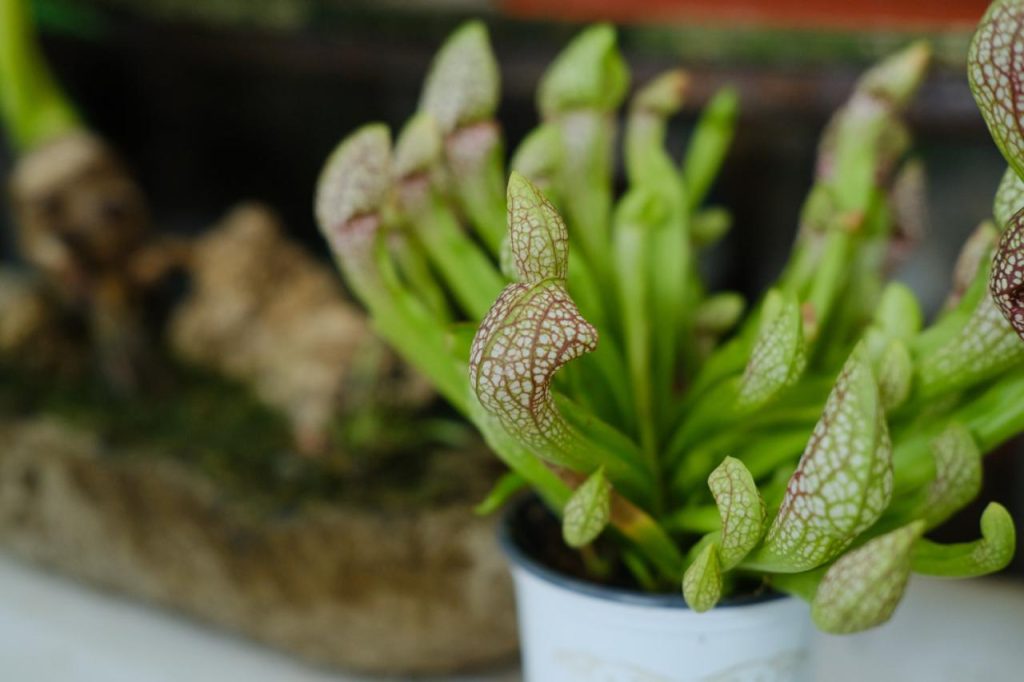
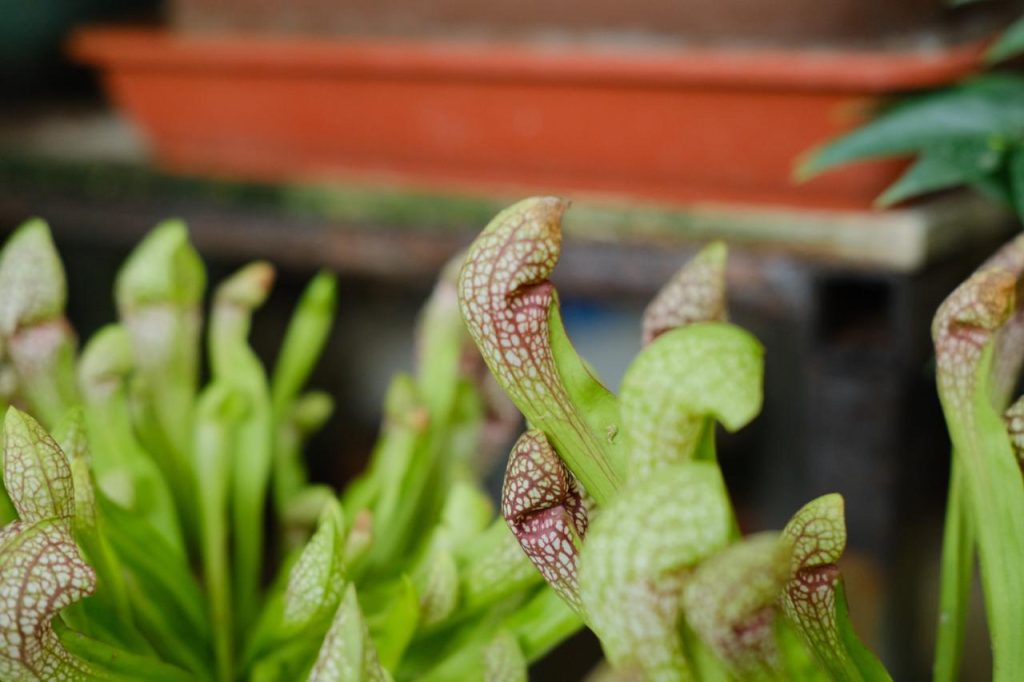
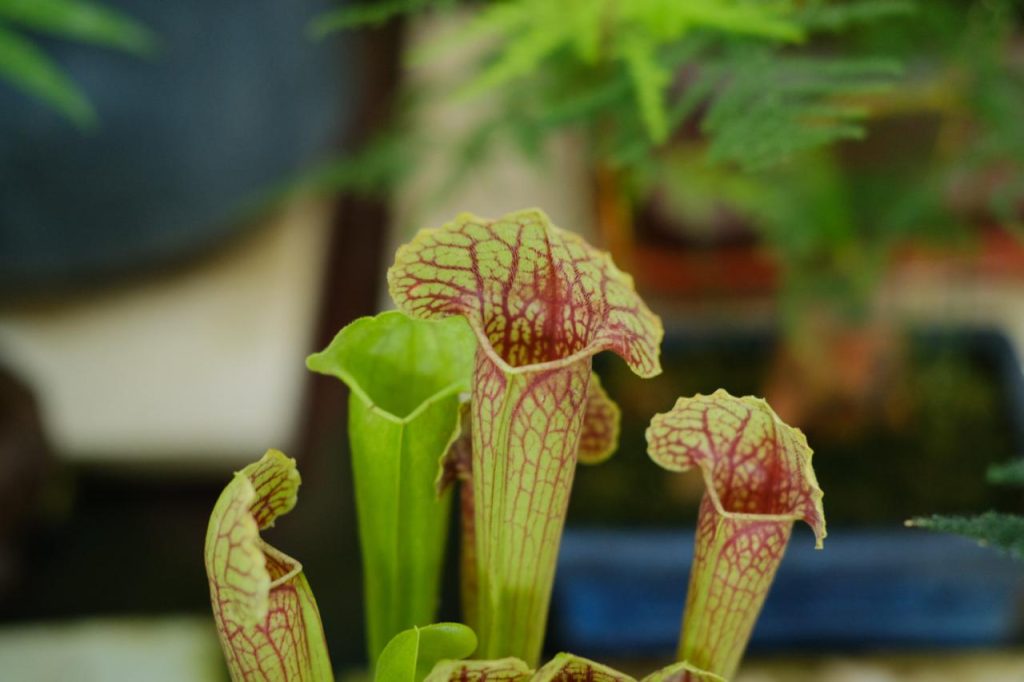
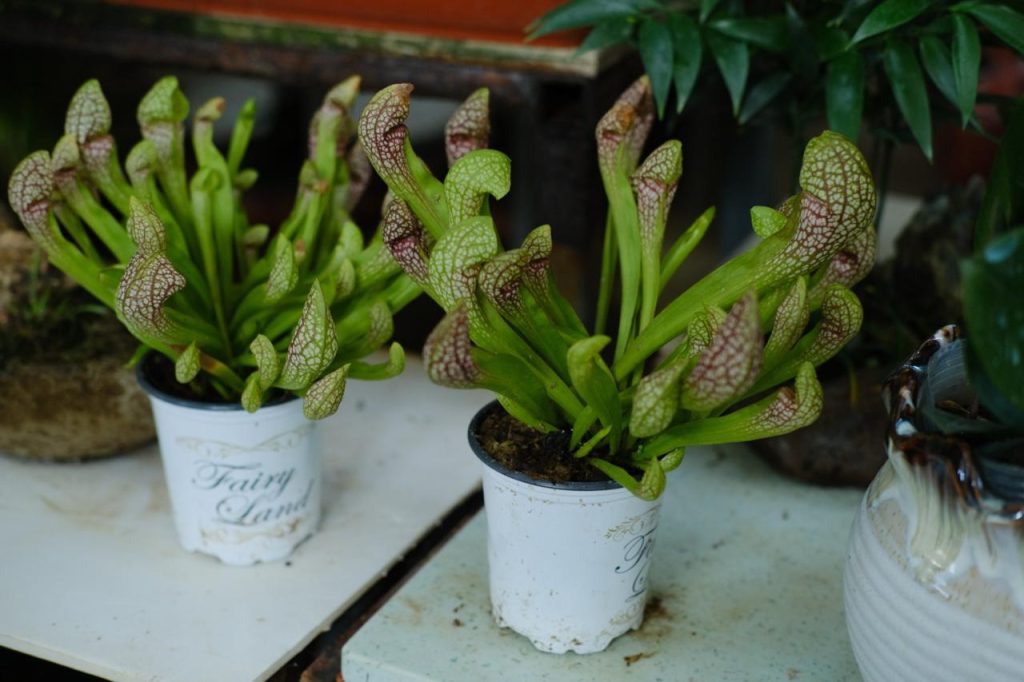
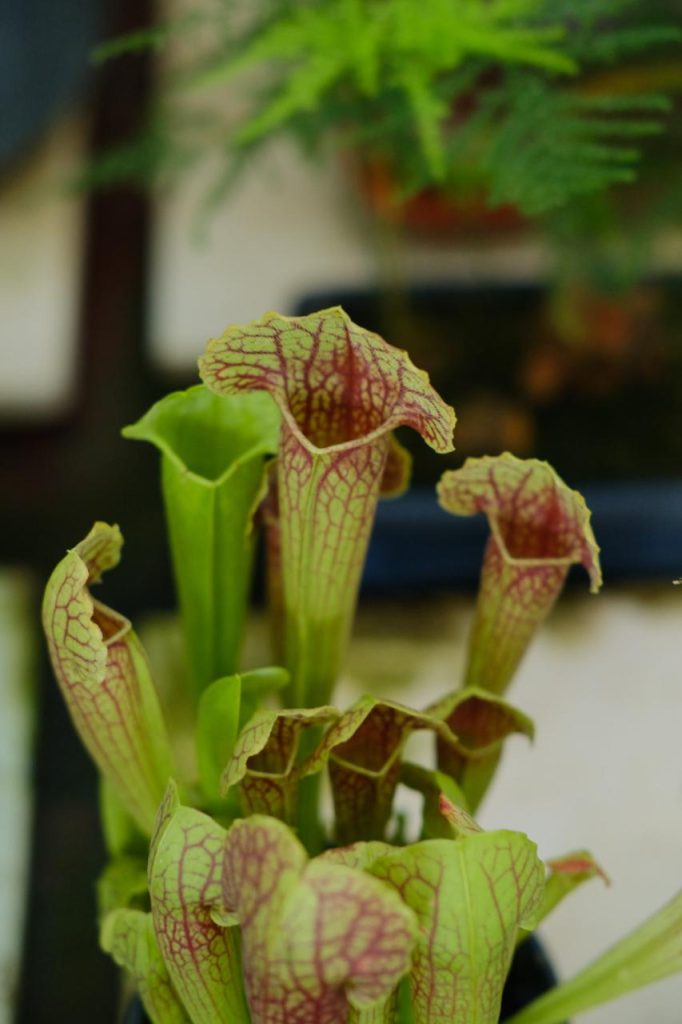
Pitcher plants, sundews and other carnivorous plants capture small animals using specialized structures. They are worthwhile subjects to observe, but each group still needs appropriate light, water and a suitable low-nutrient growing medium.
A pot does not protect a room
The number and type of insects captured depend on the plant and surroundings. A few pots should not be advertised as a reliable way to prevent mosquito bites or replace a mosquito-control plan. Feeding a plant more insects does not establish household protection.
Separate care from pest management
Identify the carnivorous plant before choosing its conditions. Address an actual mosquito problem using appropriate local guidance, including attention to breeding sites. Choose the plants for their biology and the care you can provide rather than a promise that mosquito products will never be needed again.
Related reading: Pitcher Plant Care Starts with the Genus.