Stones and other found materials may suit a display, but their source and drainage matter. Check cleanliness and stability before adding them to a container.
Stone: Be careful with hydroponics
Usually go out, walk to the river, and when the seaside, you can pick up a few pieces of stones in hand, 1-3 cm in diameter.
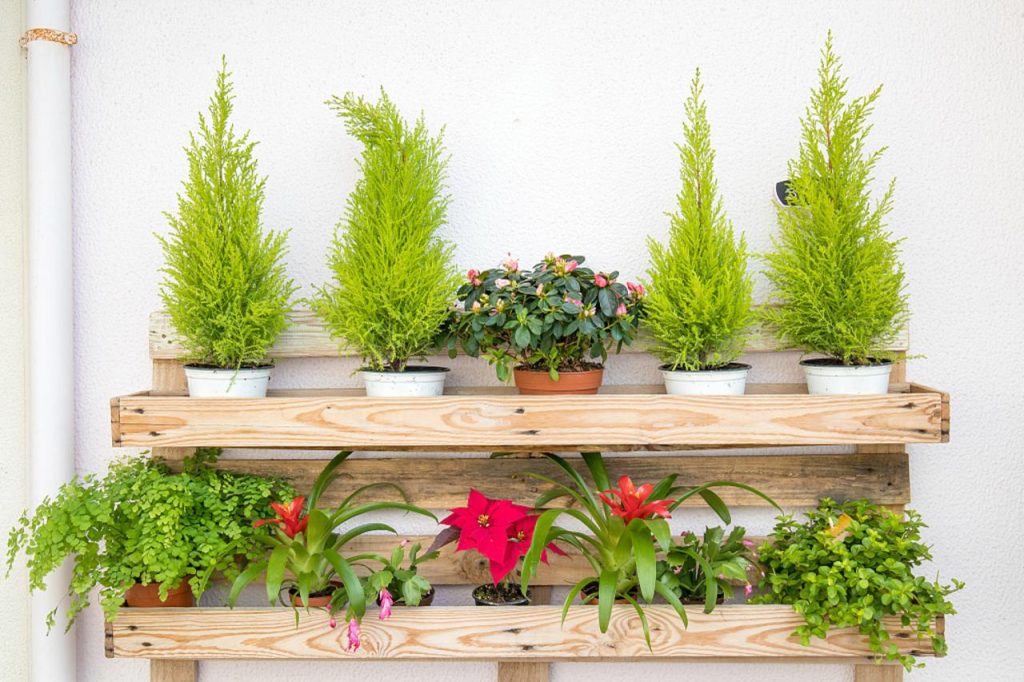
Clean suitable materials without claiming that a brief hot-water soak certifies them free of all pests or contaminants. Use material from a known source and a method appropriate to its intended use.
Flower soil cultivation can be used to fix the root system. Beautiful cobblestone also makes hydroponic flowers beautiful ~
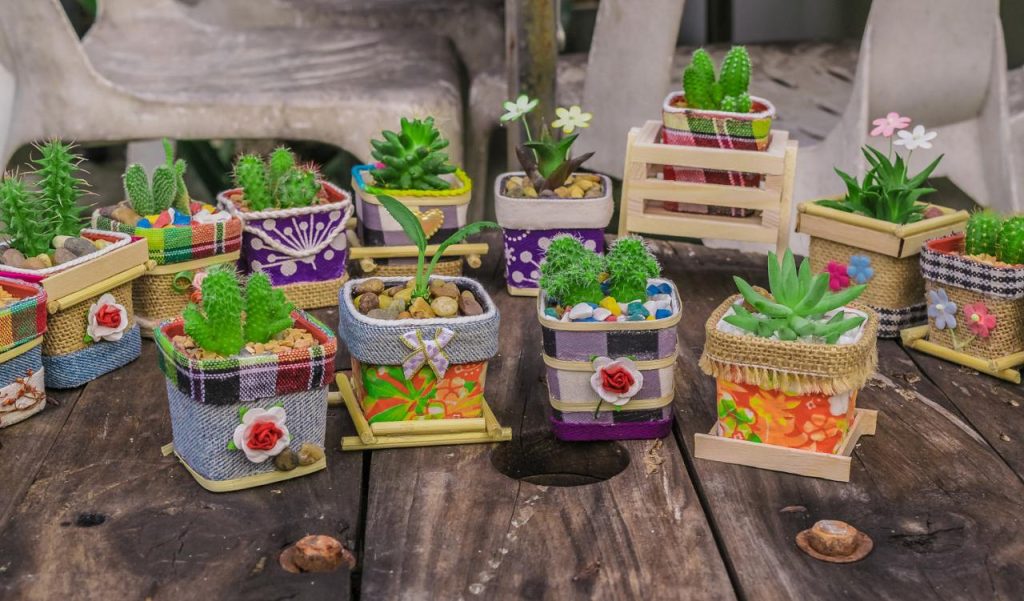
Liu Zhi: Root a little capable
Pick up some willow branches, don't need to be too thick, cut into small segments, smash it with a bluntware such as hammer, put it in a container, soak it with water for 24 hours.
It is used for cuttings of flowers such as spidering orchids, green dill, longevity, rose, and azaleas.

Soak the cuttings as rooted water before cutting, cutting at the bottom for 8-12 hours, cuttings are easier to survive!
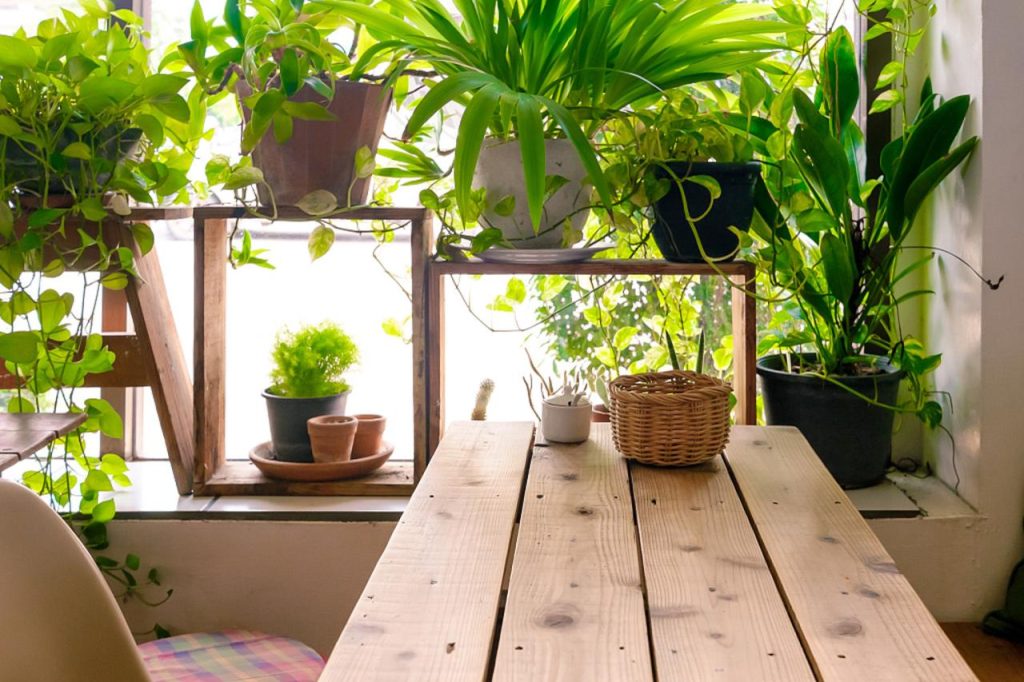
The willow branches contain natural salicylic acid, which promotes the root of the plant to germinate, enhance the photosynthetic effects, and use the soaked water to promote the leaves of the plants and the leaves of the leaves.
Sand: cuttings
Use horticultural ingredients with known properties. Roadside and construction materials can contain unsuitable residues or fine particles; washing or adding a chemical does not make an unknown material equivalent to perlite or vermiculite.
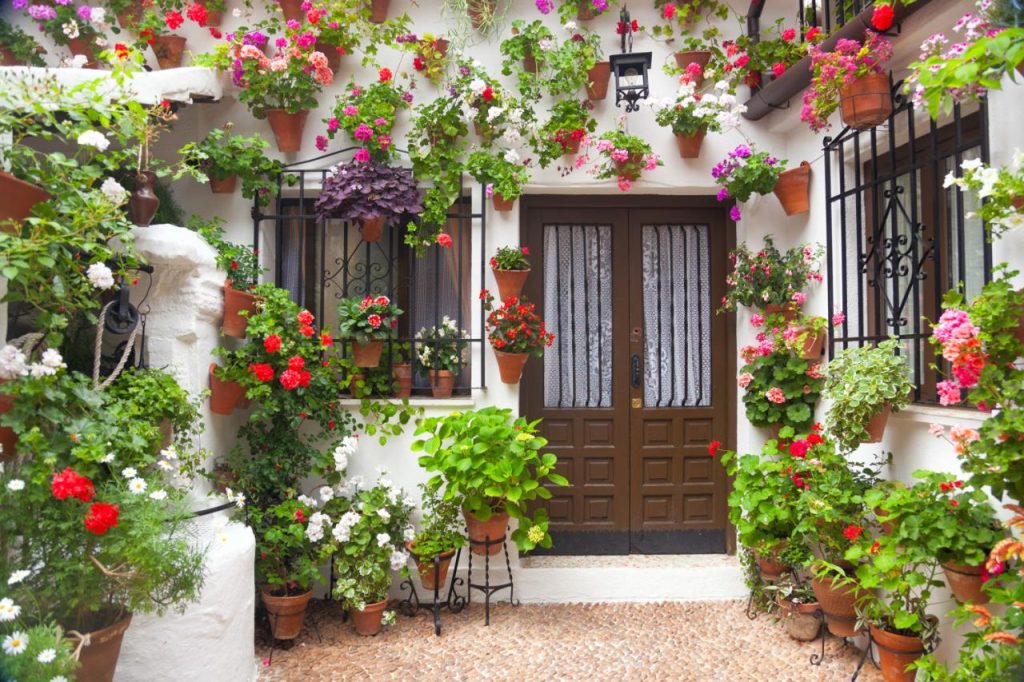
The sand is placed in the bottom with a container with permeable holes. When cutting, insert the cuttings in, pour water, put it on a flourishing tray, and wait for rooting ~
Rooting quickly, about 20-40 days, transplanting the pot after rooting.
Since raising flowers, picking around the roadside, all of which are raising! It's really a lot of money if you don't spend money!
Related reading: Low-Cost Garden Materials: Drainage and Practical Use.