Rosette succulents offer different leaf edges and color patterns. Compare healthy mature growth and reliable labels rather than treating appearance as evidence of a fixed value.
Blue light
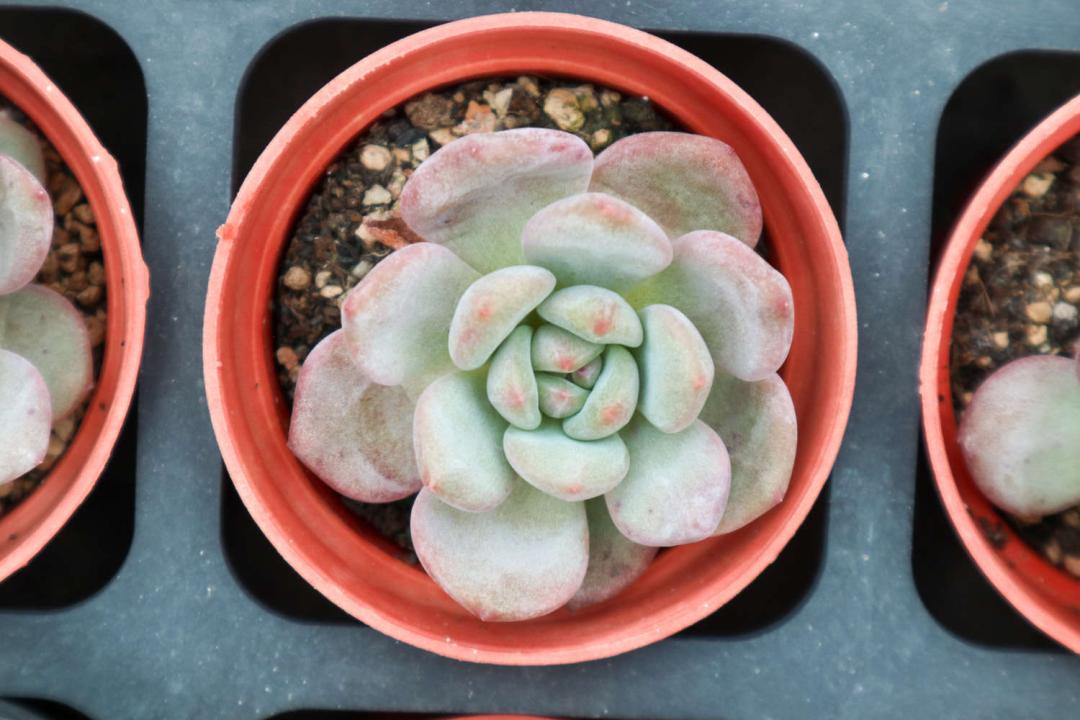
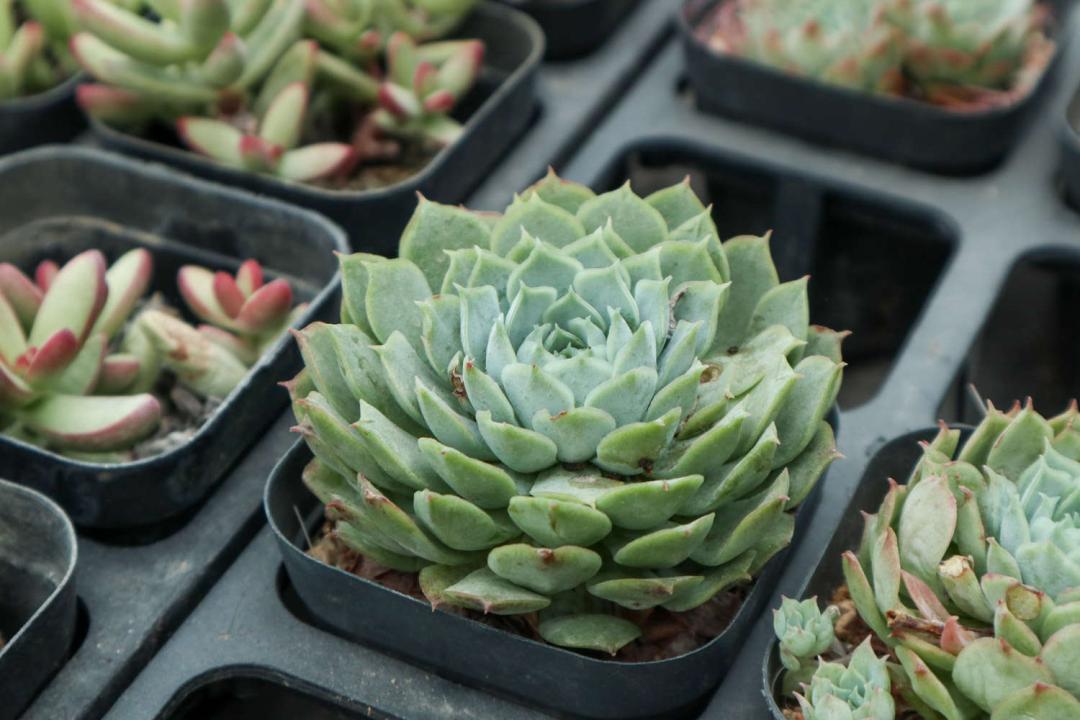
In the past two years, the blue light has been hot, and the price has risen all the way. As a representative of thin leaves, blue -green skirts, the edges are flushed, noble, cold and graceful. Especially the blue light of the state, at a glance, it will make people resist instantly to zero.
Maintenance
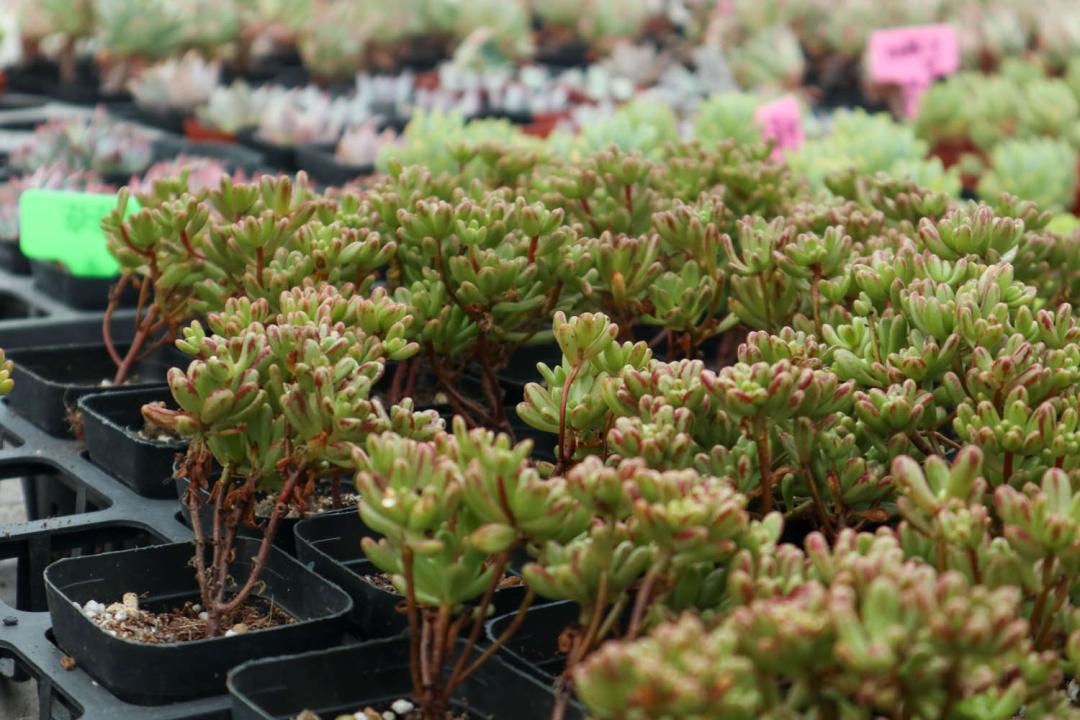
1. Blu -ray like light, the growth season can be fully day -to -day. In the summer, it should be properly shade and ventilate, not cold -resistant, and drought -resistant.
2. Keep the pot soil moist in the growth season. Determine the number and frequency of watering according to the local climate. It should be noted that it should not be excessively watered, which can easily cause the root system to rot. The temperature in winter is less than 5 degrees, so it is necessary to control the water.
3. In winter, it can be kept in the room for maintenance.
Growing and propagation
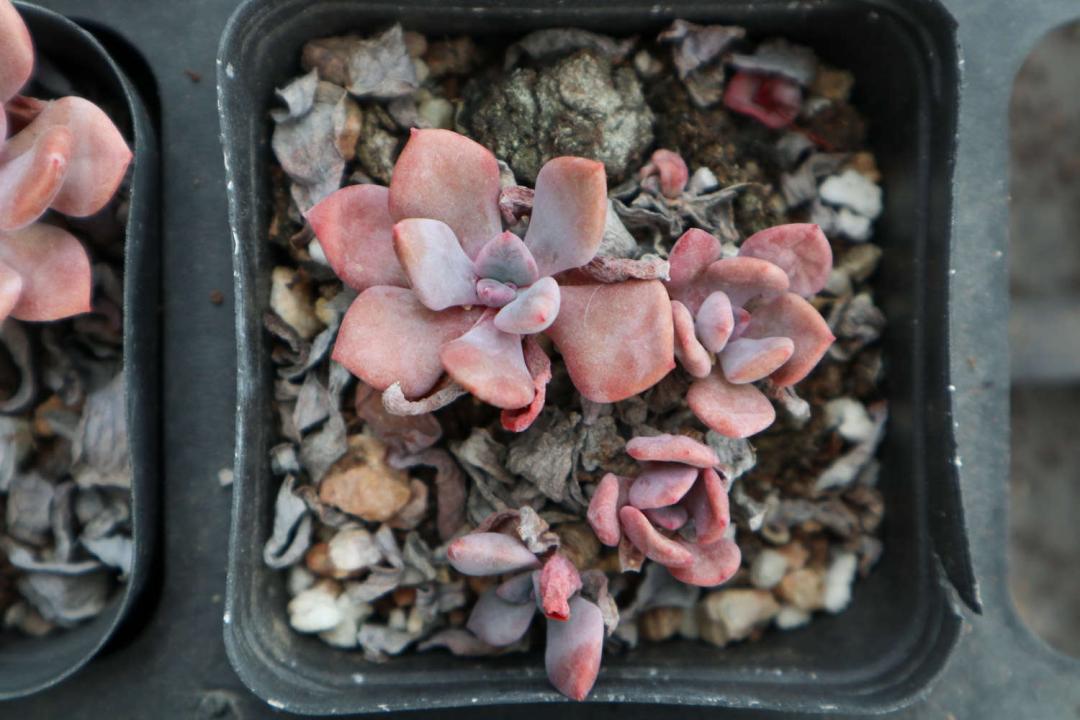
Blu -ray can be cut in the growth season. The basic requirements for soil are loose breathability and good drainage.
Sunset
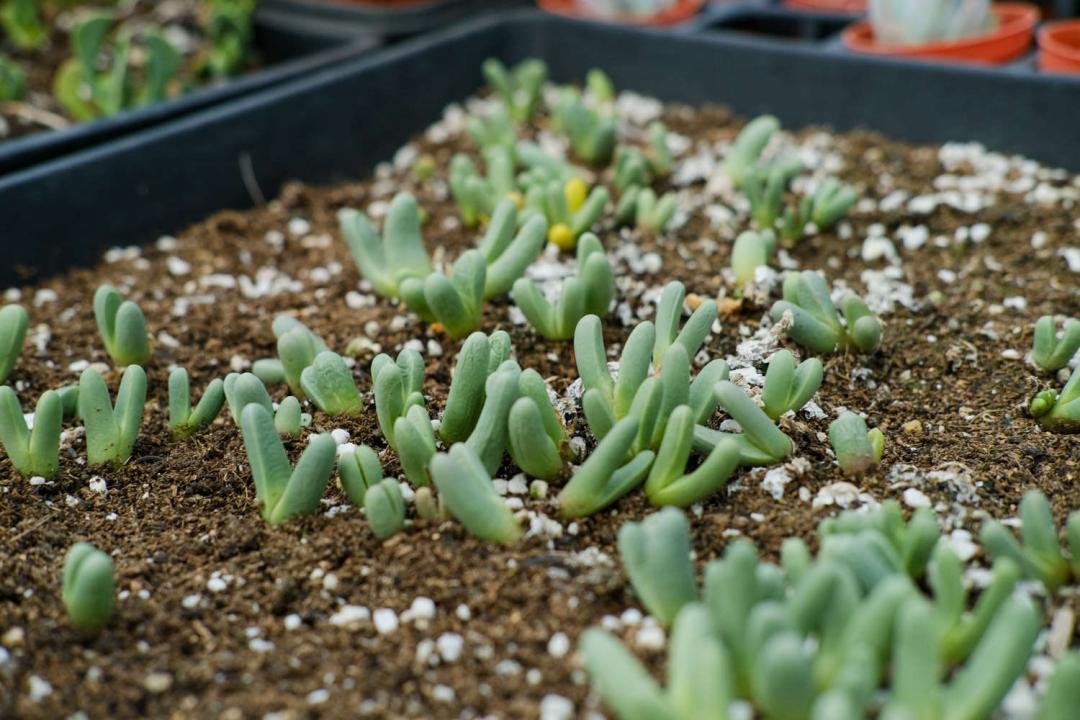
The sunset, Jingtianke's belonging to the stone lotus, a more vivid and dreamy name, like its form. The leaves are red, the leaves are slightly blue pink or light purple pink, and the new leaves are a bit blue, as if the sunset floating in the air. Essence
Maintenance
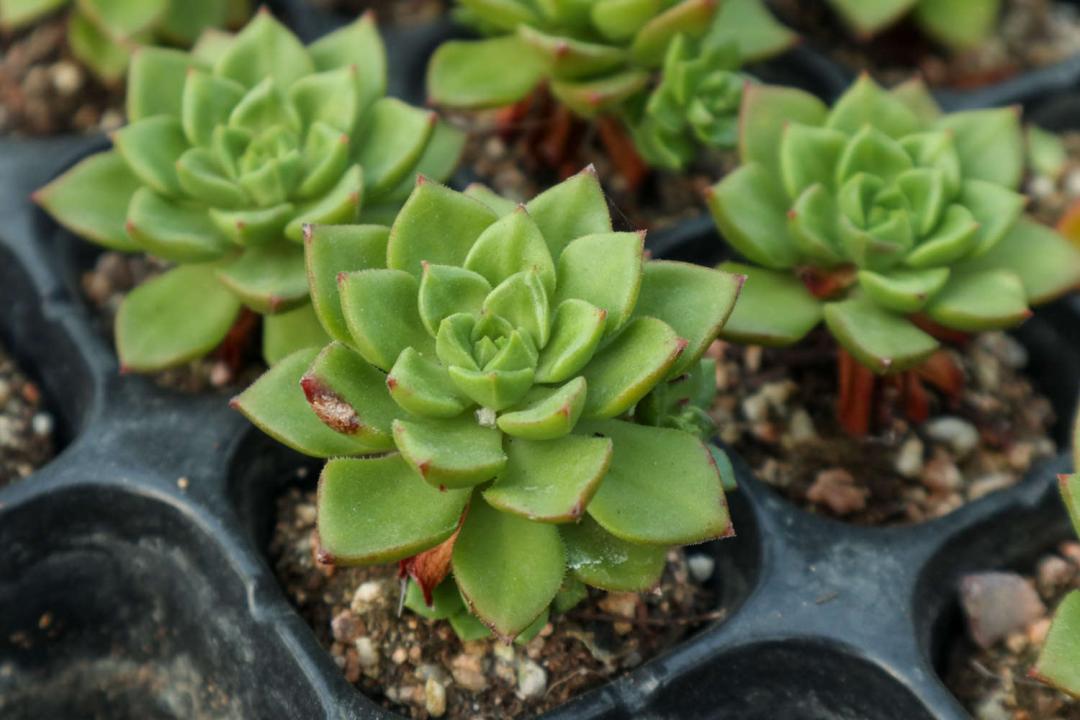
1. Spring and autumn are the growing period of the sunset. It can be used at all day. Watering is dry and watering.
2. Summer and summer sunset will sleep, ventilate and shade, water 3 to 4 times a month, and give water on the pot. To maintain the root system of the plant, it will not dry due to excessive dryness.
3. In winter, the temperature is lower than 3 degrees, and the water should be gradually broken, and the potting soil is dry below 0 degrees, and it is not less than minus 3 degrees as much as possible. In this way, it can be safe to pass the winter. Try to water as little as possible in winter, otherwise it is easy to rot.
Growing and propagation
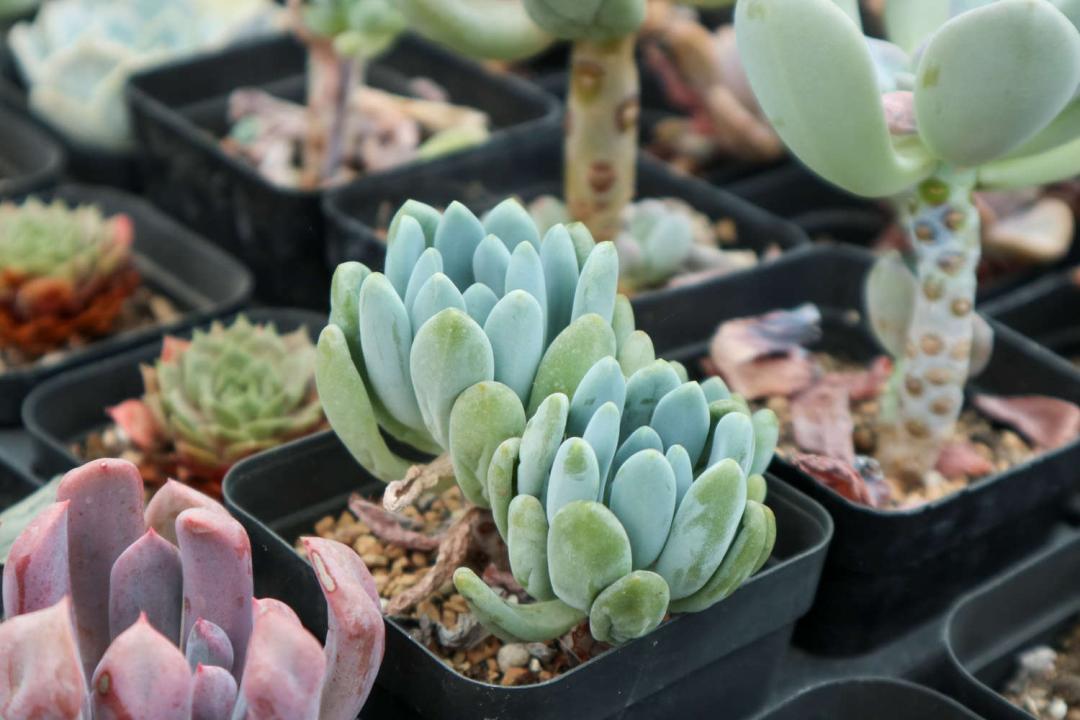
The reproduction method of the sunset is sowing, branch, and beheading. When the sunset is cut, it should be noted that the soil is too humid to rot the stems. If you plan to collect seeds, plants need to be pollinated with different plants.
Guanghan Palace
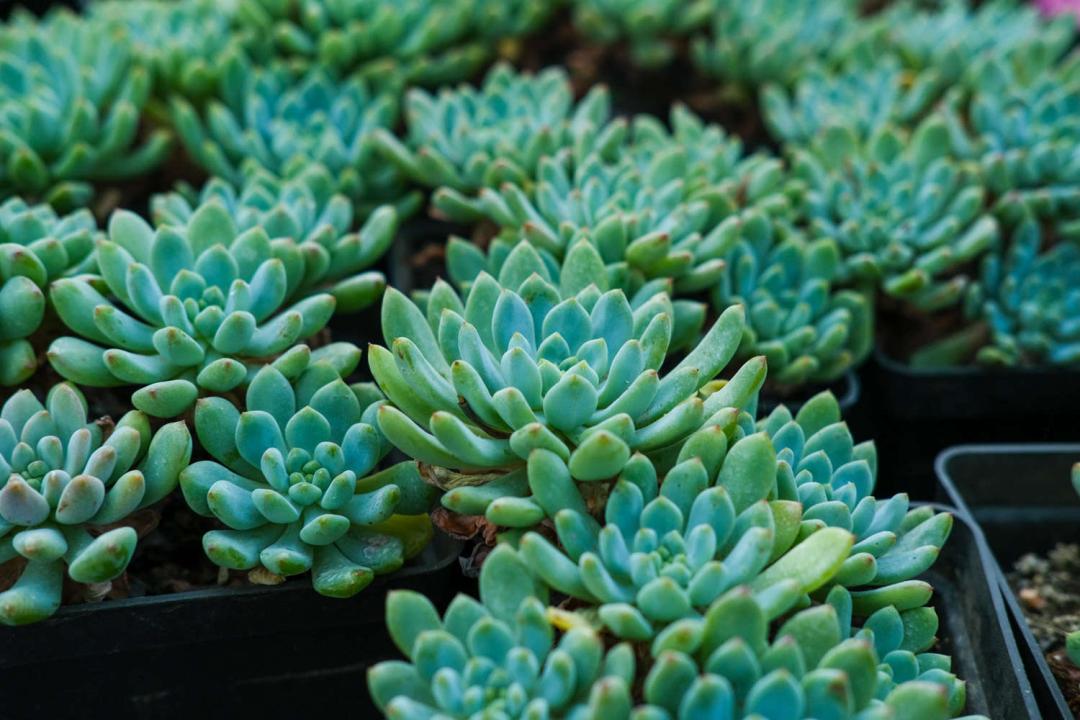
Guanghan Palace is a beautiful young woman with eugenics and eugenics. There are many offspring offspring, including: sunset powder stone lotus, Chenguang, etc. And all of them are beautiful.
Maintenance
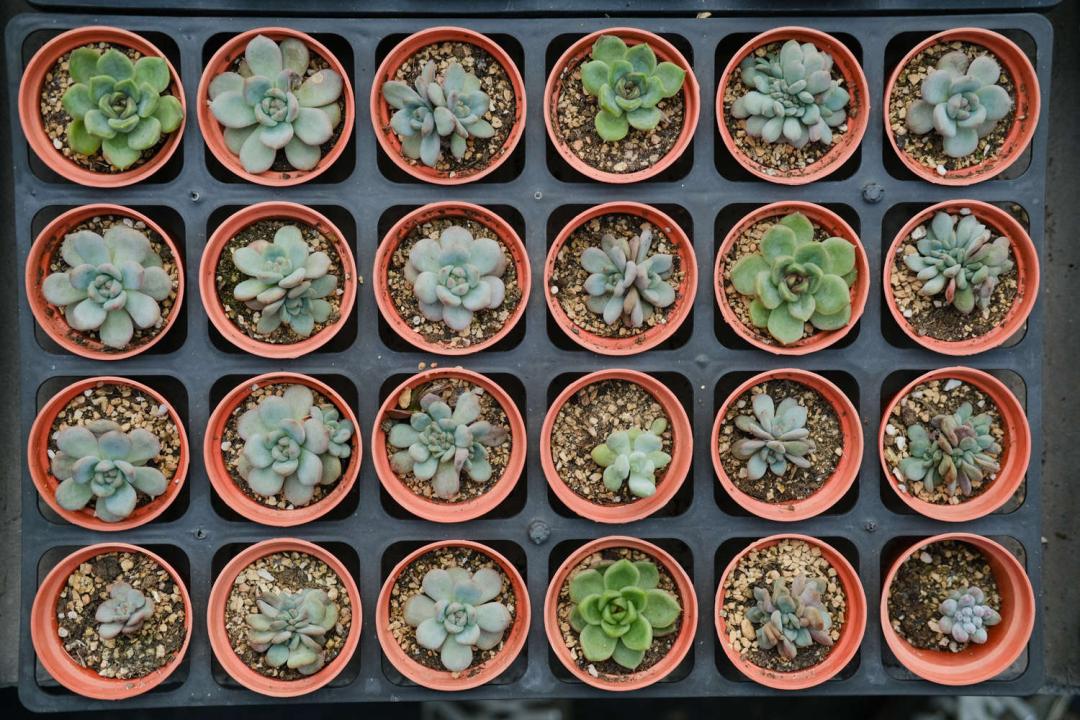
1. The Guanghan Palace is very heat -resistant. The leaves under the scorching sun gradually flatter in summer, and the white powder becomes more. It is also more cold -resistant, and it can be safer overwintering in winter 0 degrees.
2. Pay attention to the loose and breathability of the soil on the maintenance of Guanghan Palace, and the watering and drying. However, the temperature in summer and autumn should pay attention to water control, otherwise it is easy to be dark.
3. The growth rate of Guanghan Palace is fast. While continuously grows, the lower leaves of the lower part will also be quickly consumed, often accumulated into thick dead leaves. It is recommended to clean up in time Causes stems to rot.
Growing and propagation
The pollination of Guanghan Palace is easy, so breeding is mainly sowing. You can also consider beheading and breeding; the Guanghan Palace can also be inserted, but the leaf insertion rate is low. If the leaves are inserted, it is recommended to choose spring.
Related reading: Choosing Your First Succulents: Plants, Pots and Position.