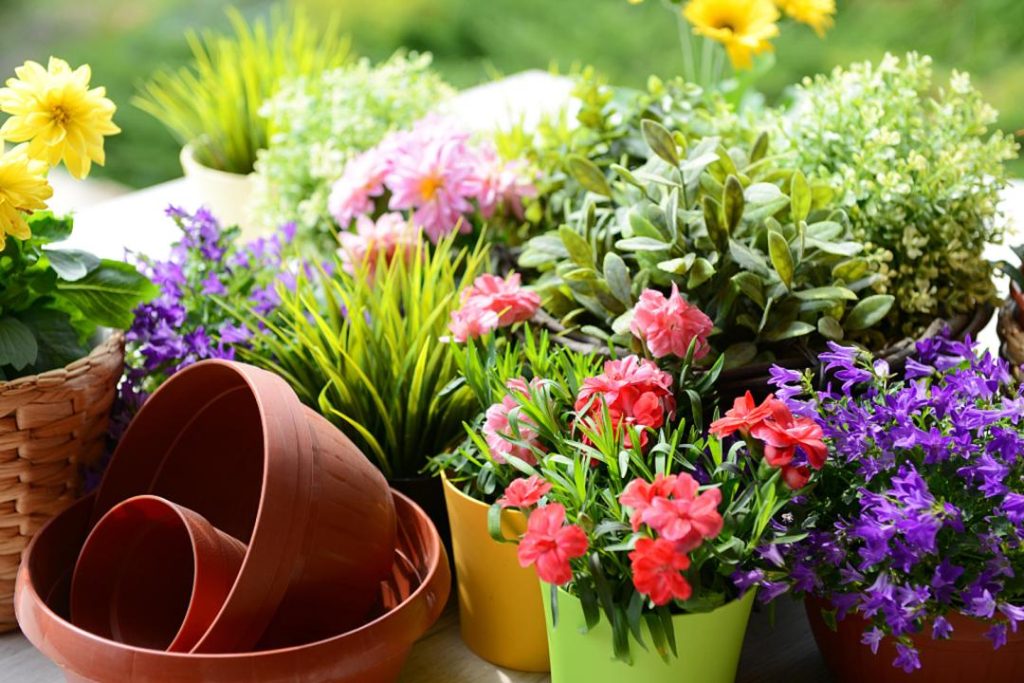
A flower may remind you of a bird, an insect or a face. That resemblance is a way to describe its appearance, not a reliable plant name. Use this gallery to compare flower structures, then check a botanical reference before attaching a species label.
Look at the structure behind the resemblance
The American Orchid Society describes the arrangement of an orchid flower's sepals, petals, modified lip and central column. These features are more useful for botanical comparison than a nickname such as “duck” or “ghost.” They also need to be seen clearly: an unusual outline alone does not establish that a photographed flower is an orchid.
When comparing photographs, look for the position of the lip, the way petals surround the centre, and whether the image shows one flower or a cluster. A side view can reveal structures that disappear in a front-facing picture.
Shape can have a function, but the explanation is species-specific
Kew gives examples of orchids that attract pollinators through rewards, deception or temporary traps. Its account of the bee orchid also explains that pollination differs with location: the species self-pollinates in the UK. A striking shape therefore does not justify inventing one pollinator story for every similar-looking flower.
How to turn a gallery image into an identification question
- Keep the image number so the same photograph can be discussed.
- Find the original label or a documented record of where the plant grew.
- Include leaves, stems and the full flower cluster where possible.
- Compare several botanical features with a named reference, rather than choosing a species because its nickname fits the picture.
Does a familiar-looking outline prove that a flower imitates an animal?
No. A visual resemblance and a demonstrated pollination mechanism are different claims. The latter needs evidence for the identified species.
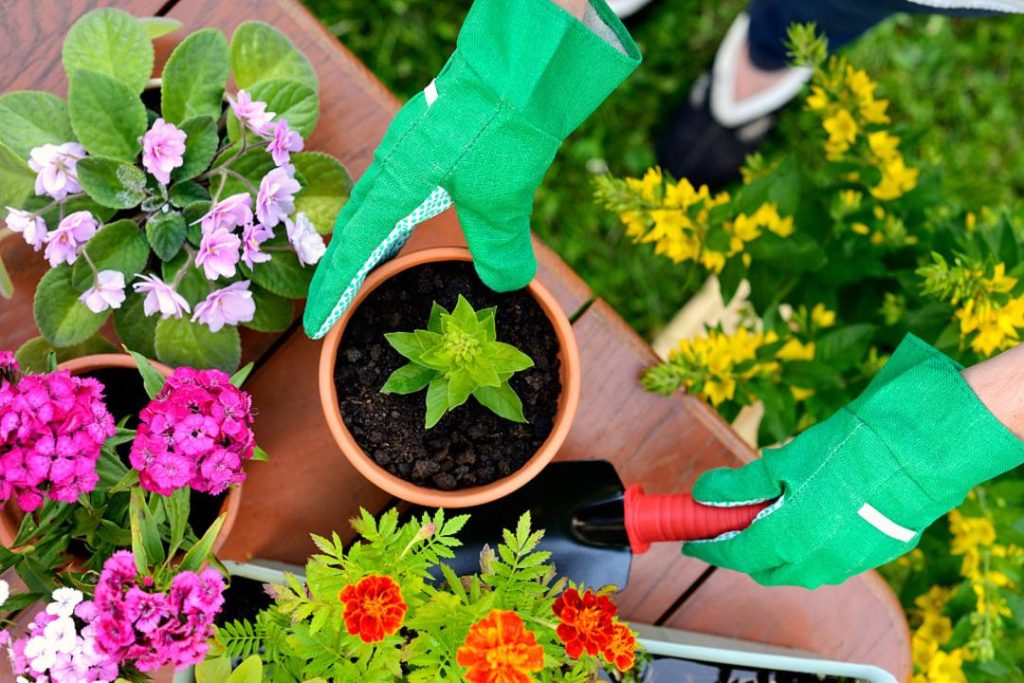
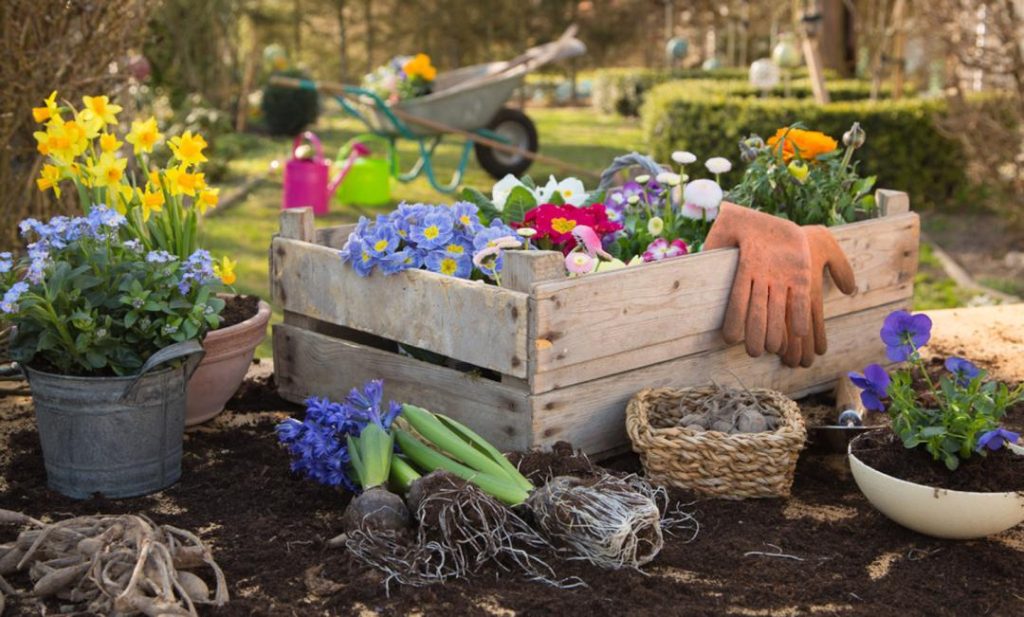
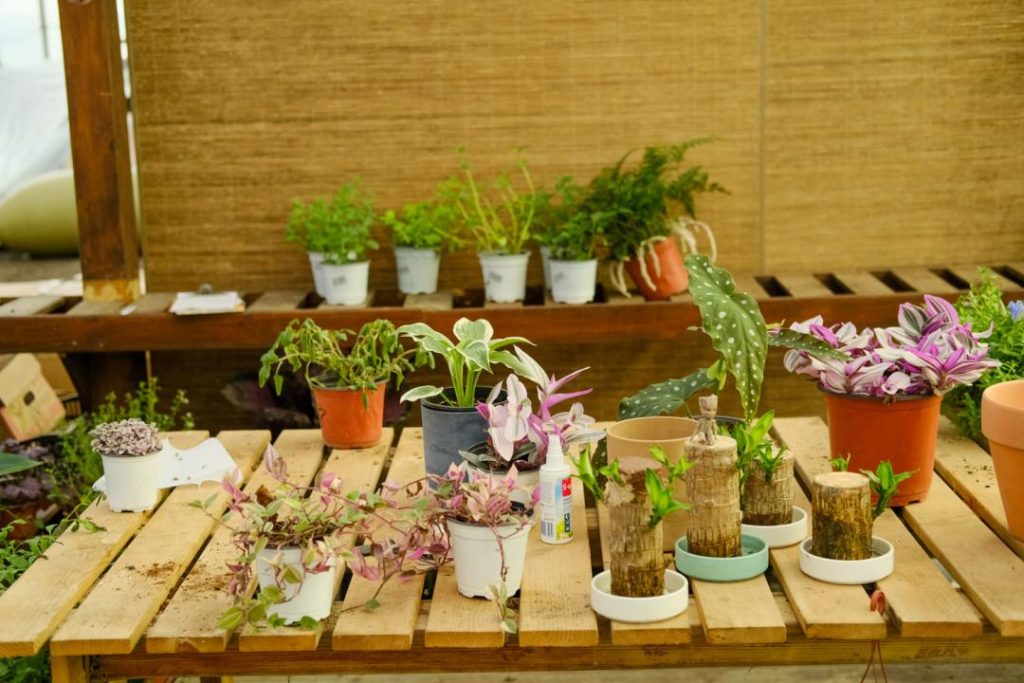
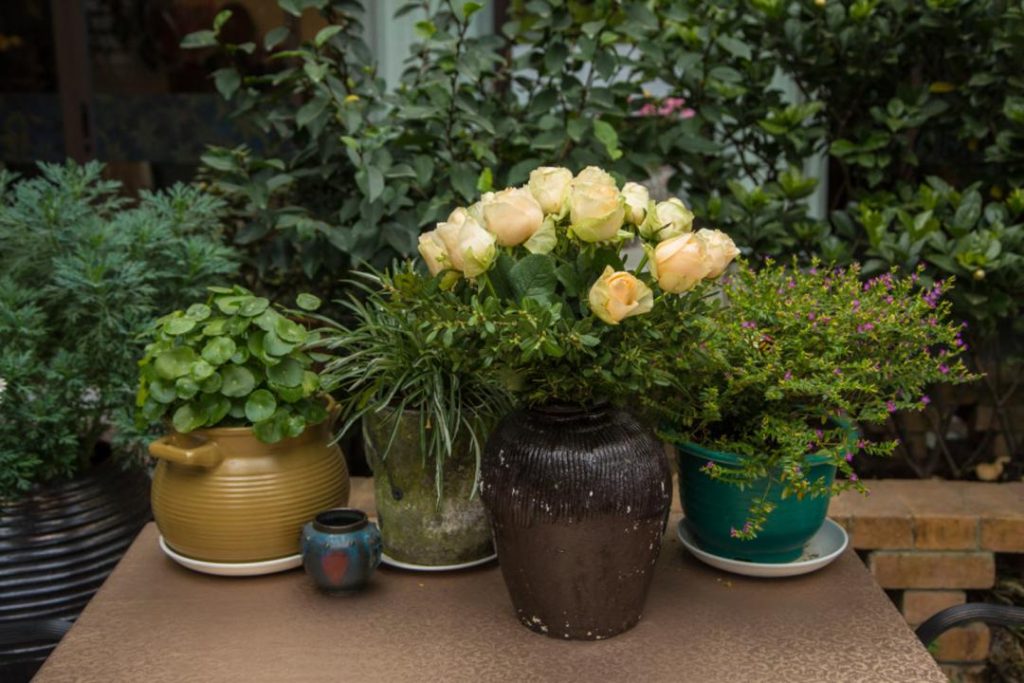
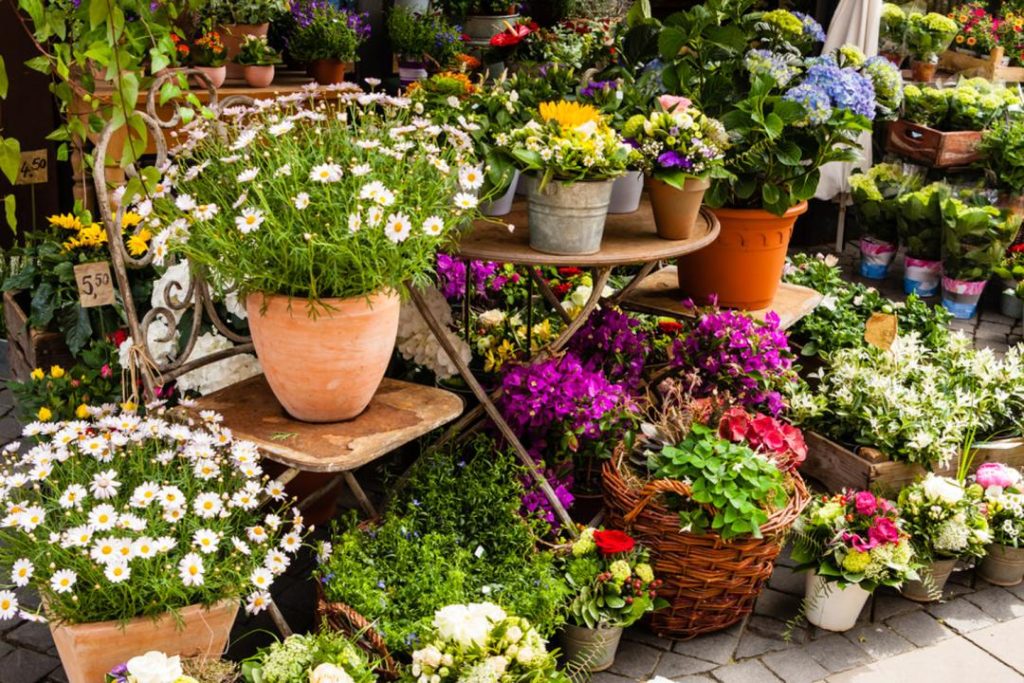
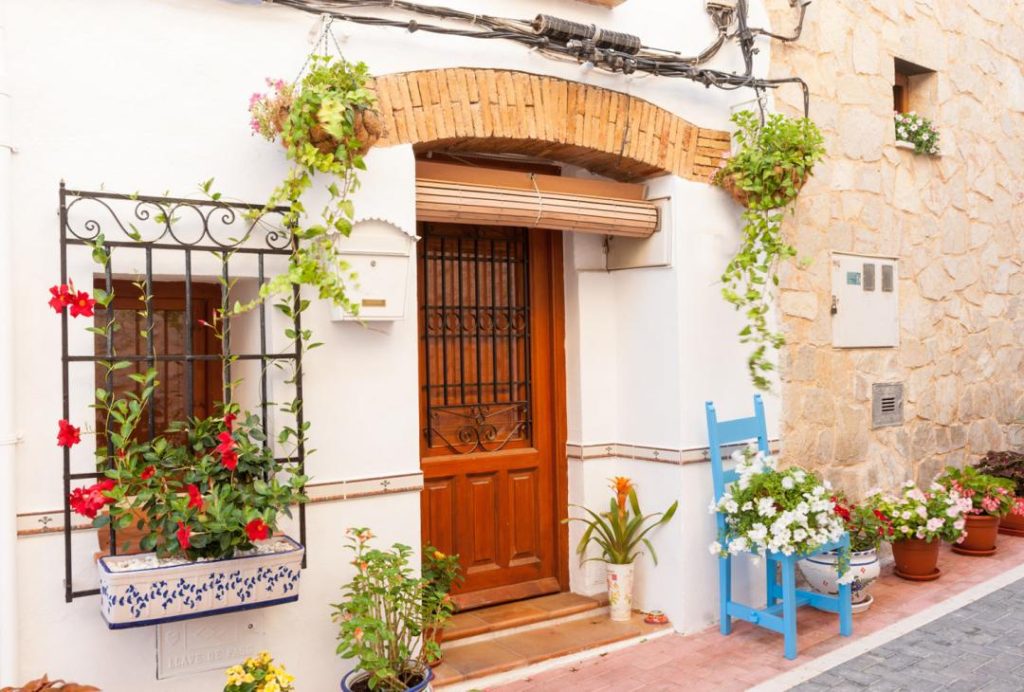
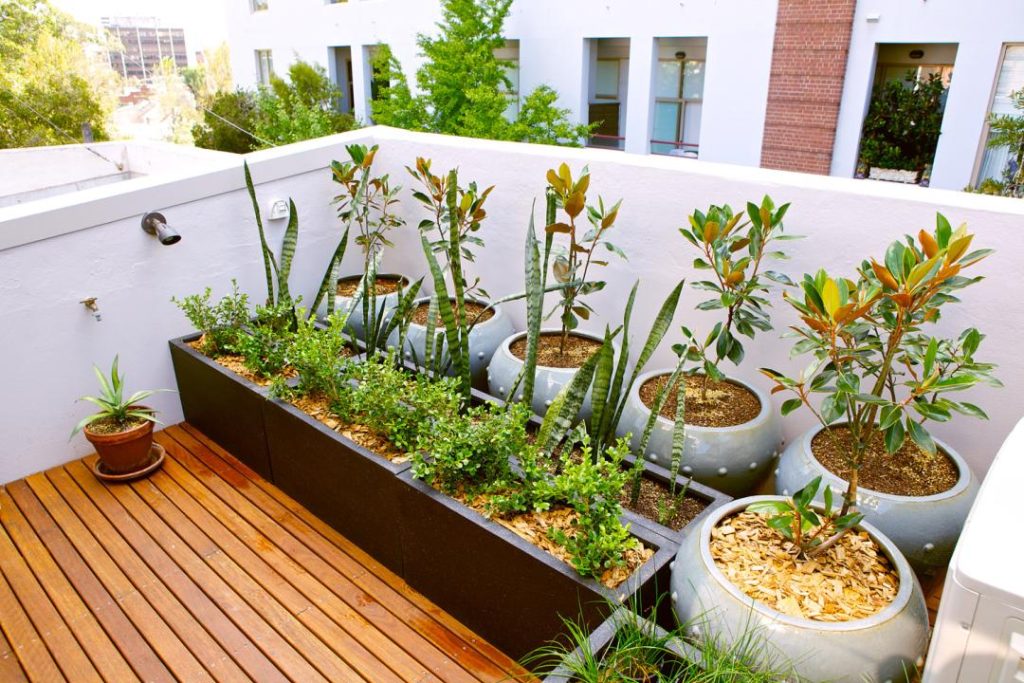
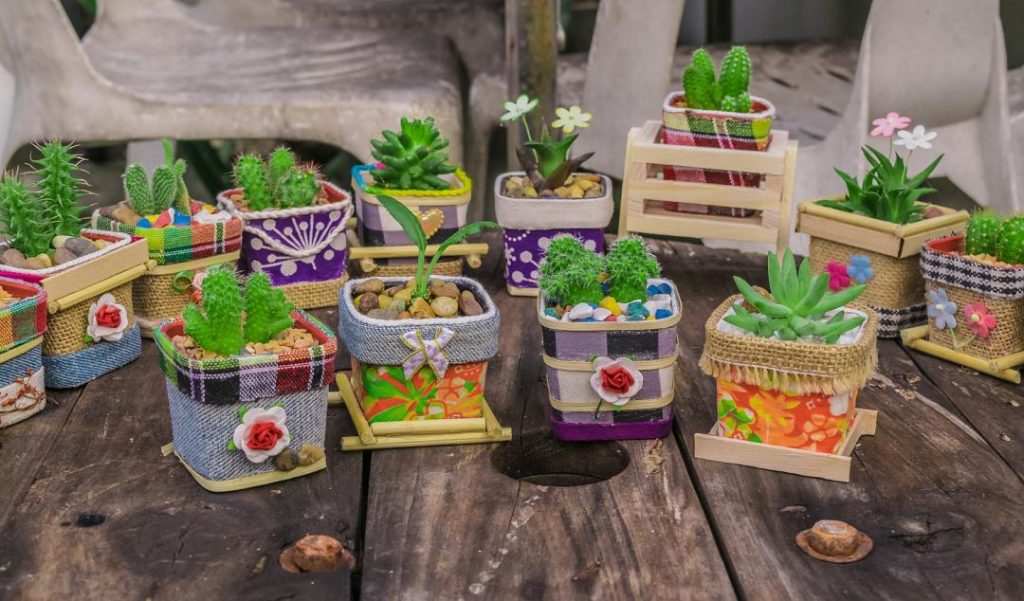
Photographs
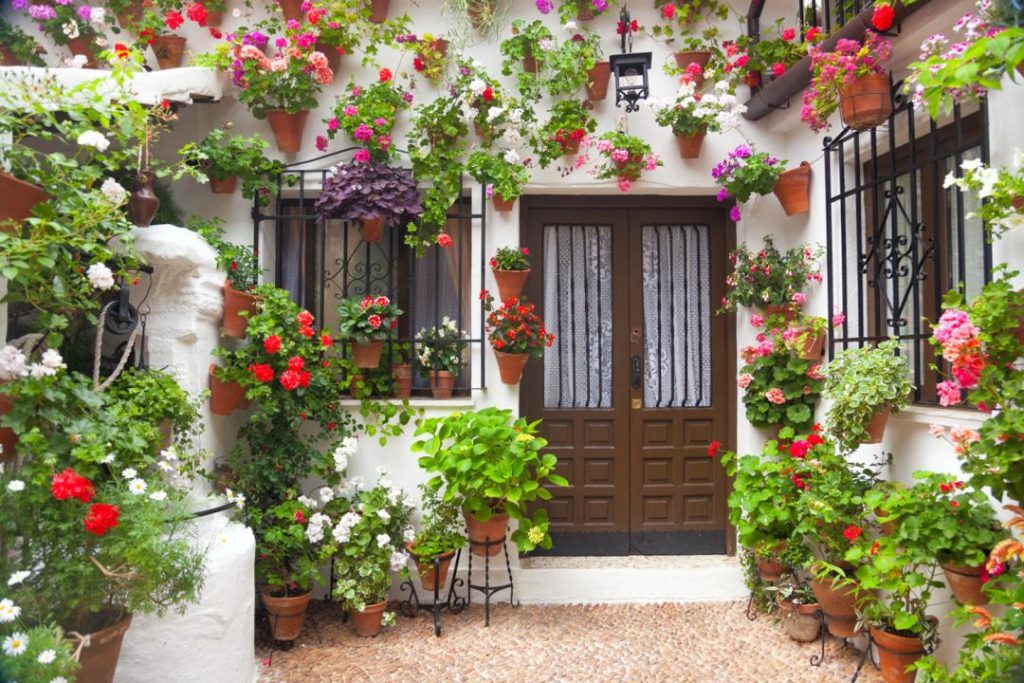
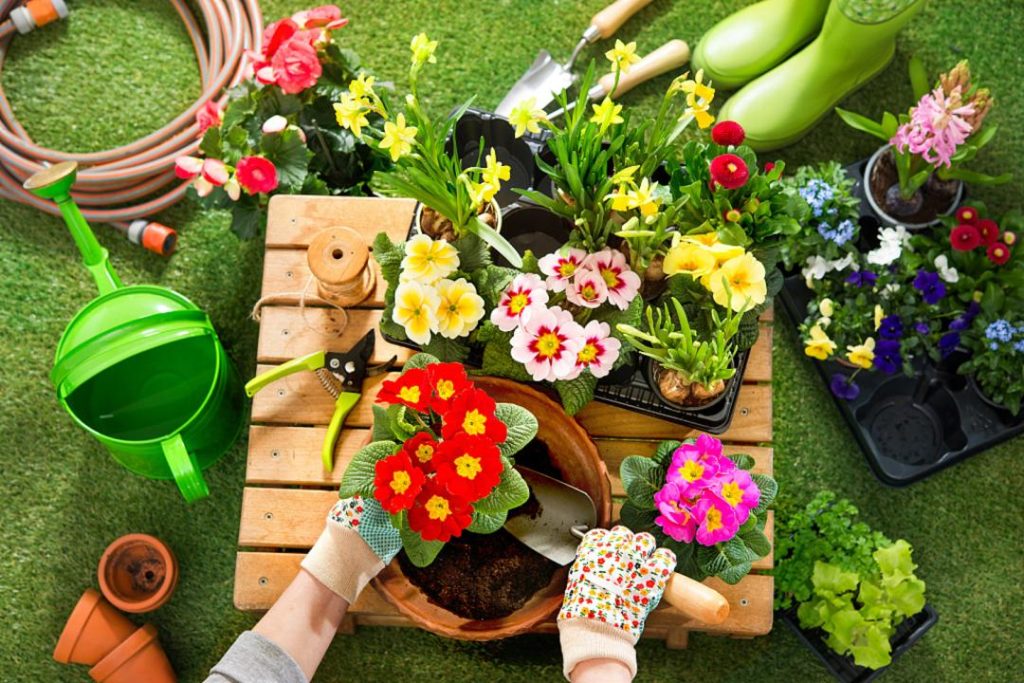
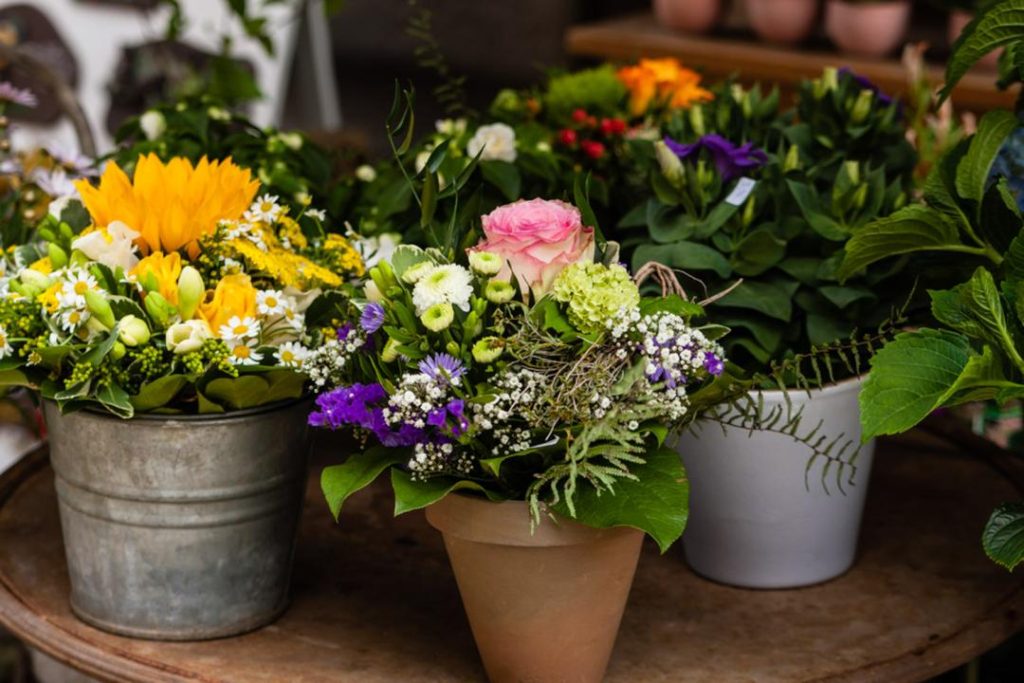
The existing photographs are retained in their original order. Their species and cultivar identities have not been independently verified; use the numbered images for comparison rather than as identification records.