Granular soil is a family name rather than one material. The media sold under it are ordinary growing materials screened and sometimes fired into pellets, so the pot drains and breathes while still holding moisture. Which pellet you use decides the acidity of the mix, how long the structure lasts, and how much feeding the plant will need.
Akadama
Akadama is the red-brown one, formed from compressed volcanic ash, with a slightly acid reaction. Its value is that granules keep their shape while still taking water in and letting it drain through, which is the combination most potted roots actually want. Its weakness is the same thing delayed: akadama powders over time, and once it has broken to dust the drainage it was bought for is gone. Repotting on a schedule is not a nicety with this medium, it is the maintenance requirement.
It is the standard choice for succulents and for Chinese orchids in pots, and it can be mixed with other media for seedling raising and for beds that need opening up.
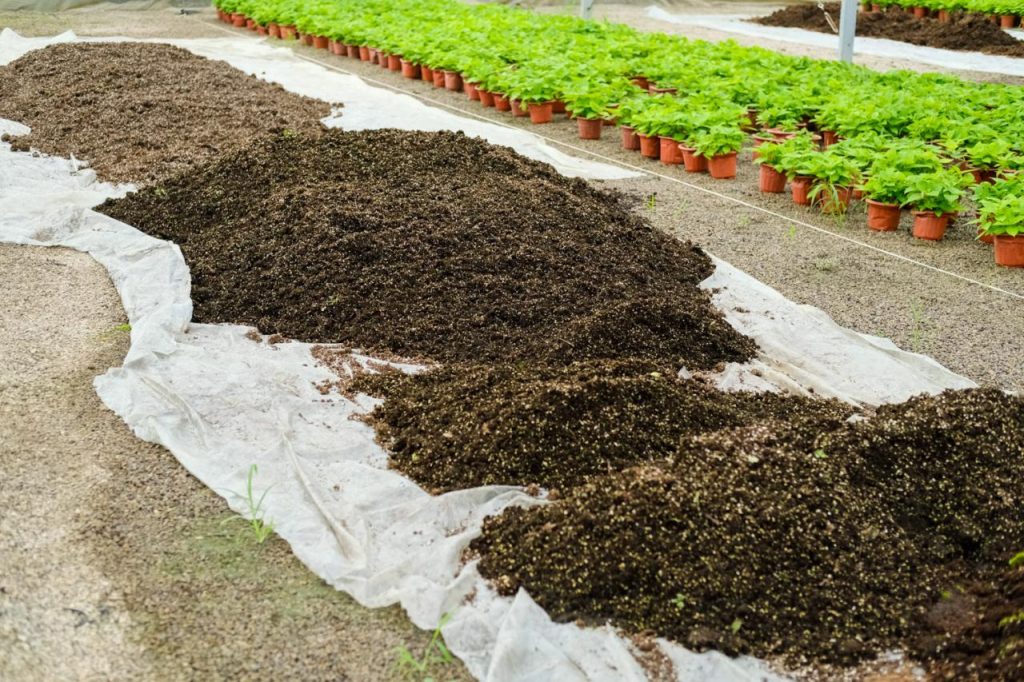
Kanuma
Kanuma comes out of volcanic districts as a soft, porous volcanic sand and is clearly the more acid of the common granular media. Water passes through it readily, it holds air well, and it carries some nutrient itself which is released as watering runs through the pot.
Two things follow. The first is that a plant grown in nothing but kanuma has little to feed on, so regular feeding is part of using it rather than an optional extra. The second is that a plant settled into pure kanuma grows differently when it moves into a richer mix, and the transition is slow; that is the practical version of the warning you hear about plants becoming dependent on the medium.
Bonsai, orchids and alpine plants are where kanuma earns its place, and it is also used as the acid component in a mix for plants that want one.
Granular peat
Granular peat is the odd one out: it is organic, it is rich in humus and humic acids, and it holds water and fertiliser far better than either volcanic granule. Structure is loose and open, and the granules are light enough that roots move through them easily.
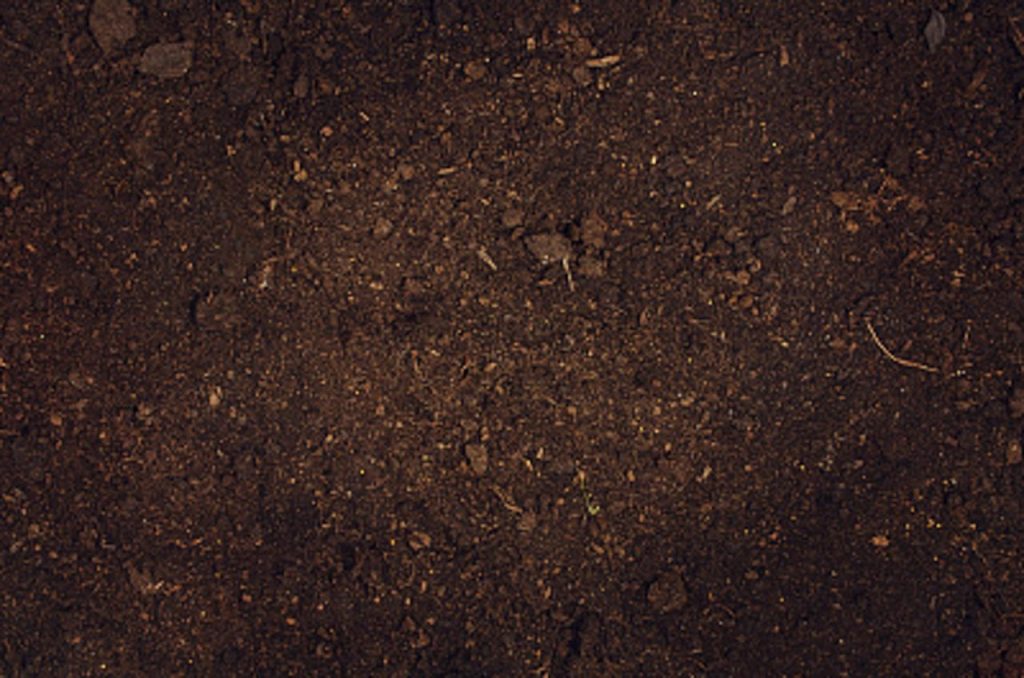
Its own fertility is low, which surprises people, because a material that smells of soil usually feeds a plant. Granular peat does not; it is a reservoir, and what you water in is what the plant gets. That makes it a good base for raising seedlings and for general potting where you intend to control the feeding, and a poor one for a plant you want to leave unattended in a pot for two years.
Mixing rather than choosing
In practice these three are combined rather than used alone: the volcanic granules for drainage and structure, the peat for moisture and nutrient holding. A grower who pots everything in one thing either waters too often or feeds too often, and the fix is in the mix rather than in the routine. Substrates for the specific plants that suffer most from a bad mix are covered in what to pot a Phalaenopsis in and in the Cymbidium growing guide, and the succulent side of it, including when to repot rather than how, is in the best season for propagating succulents.