Rosemary is a mediterranean shrub that has been persuaded to live in a container, and containers are the opposite of what it evolved in. It is drought-tolerant not because it likes dryness but because its roots are built for soil that drains fast and dries through. Get the pot and the mix right and the plant is one of the least demanding things in a kitchen garden. Get them wrong and there is nothing you can do later to recover it.
Pot: drainage first, size second
The one characteristic that matters is that water leaves quickly and air gets back in. Unglazed terracotta and clay pots do both, and a plain black plastic nursery pot drains well enough if you are not letting it sit in a saucer. What you must avoid is anything decorative with no hole, and anything glazed and thick-walled that holds cold wetness around the roots through winter.
Size is where people lose the plant. Rosemary grows slowly in a pot, and it does not need room to be happy. Choose a pot barely bigger than the root ball you are putting into it. Oversized is not neutral: the extra soil around the roots cannot be dried by a slow, small root system, so it stays wet through the season, souring, and the roots that reach into it die. Root rot on a potted rosemary almost always starts at the outer edge of a too-big pot and works inward.
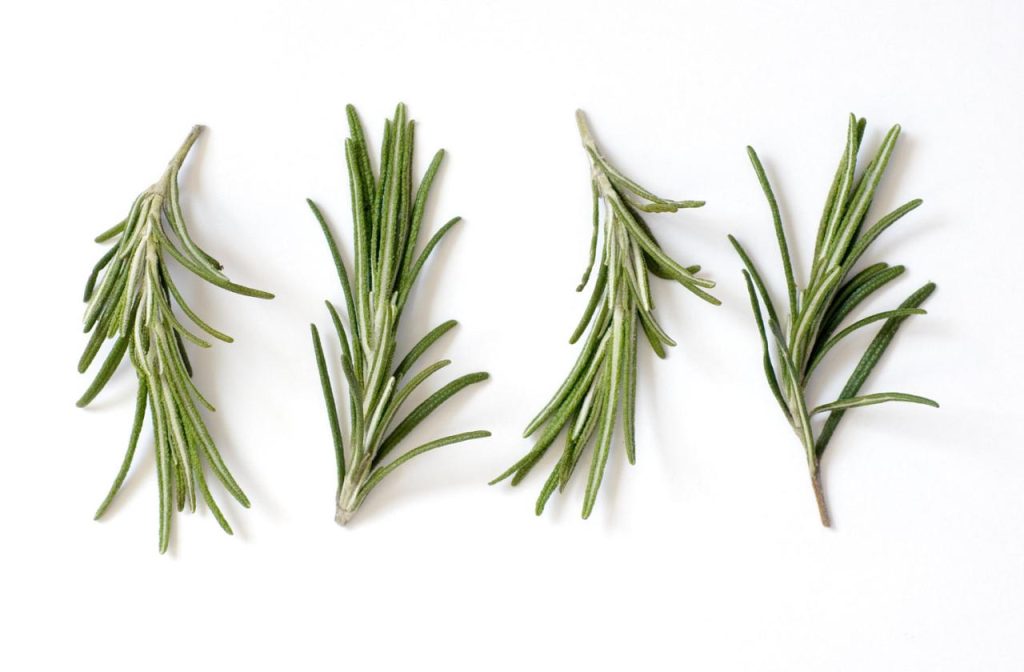
A plant legging out or looking thin is not evidence that it needs a bigger pot. It is evidence of thin light. Move it somewhere brighter before you move it somewhere larger, and expect a potbound rosemary to flower more readily than a roomy one, which is not a problem to solve.
Soil: undemanding, with one condition
This is the part that surprises people. Rosemary does not need a special mix. Ordinary garden earth drains and holds enough to grow it well, provided it is not heavy clay that turns to concrete or a peat block that never lets go of water. A mix with grit or coarse sand through it is a comfort, not a requirement.
What the plant does need is that the mix not be rich. Soil loaded with nitrogen gives soft, pale, aromatic-less growth that flops, splits and then rots at the base after a wet week. Lean is correct.
At planting, add a modest amount of base fertiliser into the mix rather than concentrating it anywhere the roots will first touch. That is a season’s worth of supply, and there is very little else to do about feeding after it.
After the first month
Nutrients leach out of a container with every watering, so a plant you intend to keep for years needs topping up a few times a year, or a change of some of the surface mix annually. Weak and infrequent beats strong and seasonal. See the month-by-month feeding routine for the general principle; rosemary sits at the least-hungry end of it.
Watering follows the pot. Soak it through, then let the mix dry substantially before the next. Never let a saucer hold water under the pot, and in winter keep it drier than feels reasonable. A rosemary that dies in February did not die of cold; it died of wet cold.
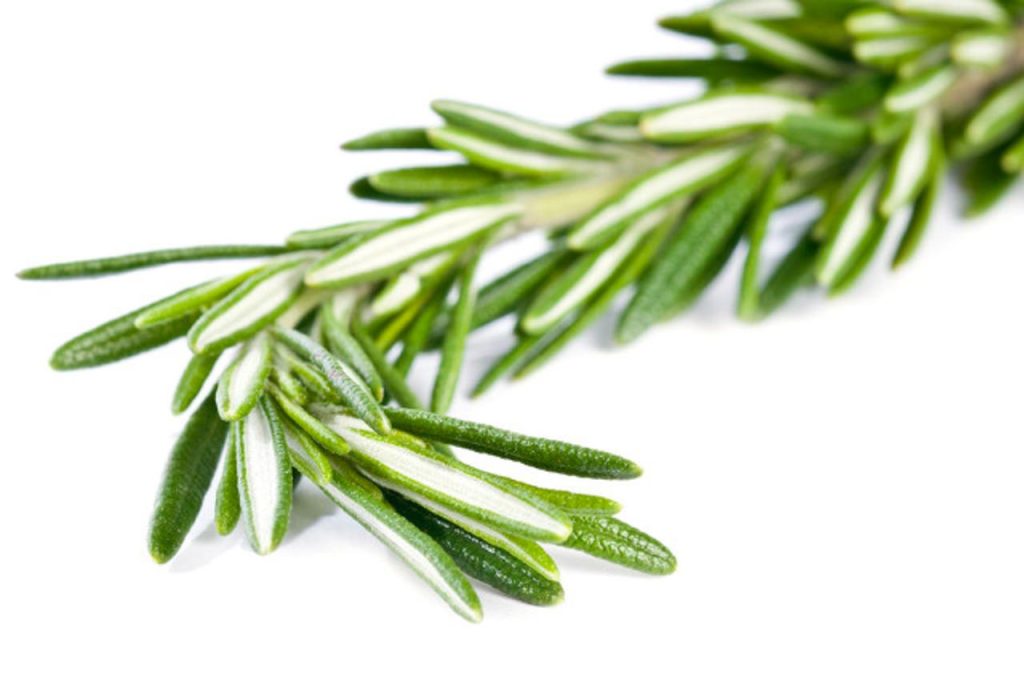
Prune lightly after each cutting rather than harvesting a bare stem. Regular snips keep the plant bushy, and a rosemary that has gone woody and leafless at the base rarely regenerates from old wood. Take your cuttings from growth that is firm but not bark-hard, and the same June cutting method used for woody shrubs applies here.
One last thing worth knowing before you commit. Rosemary bought in a supermarket and a rosemary grown from a cutting are not equally reliable in a pot. The shop plant has been pushed along in ideal conditions and will sulk in a north-facing kitchen no matter what soil you use. If the window is poor, no mix will save the plant, and the honest answer is to buy two and treat them as herbs rather than as a project.
For anyone mixing their own media more generally, pine-needle compost comes up as a free ingredient, and it is worth reading what it actually is before you use it on a plant that wants lean, sharply drained conditions.
Pingback: Tree Peony vs Herbaceous Peony: How to Tell Them Apart
Comments are closed.