An African violet that has not flowered needs a growing-condition check before a new feed. The age of a cutting or a date on a sowing label is useful history, not a flowering appointment.
Start with light and recent growth
University of Georgia Extension identifies insufficient light as a common reason for poor flowering. Examine the plant’s position over the day, not just how bright the room looks when you enter it. Record new leaves and whether buds are forming.
If the position is unsuitable, make a considered correction. Avoid moving the plant repeatedly in response to every faded flower; that makes it harder to understand which condition affected later growth.
Check the root environment separately
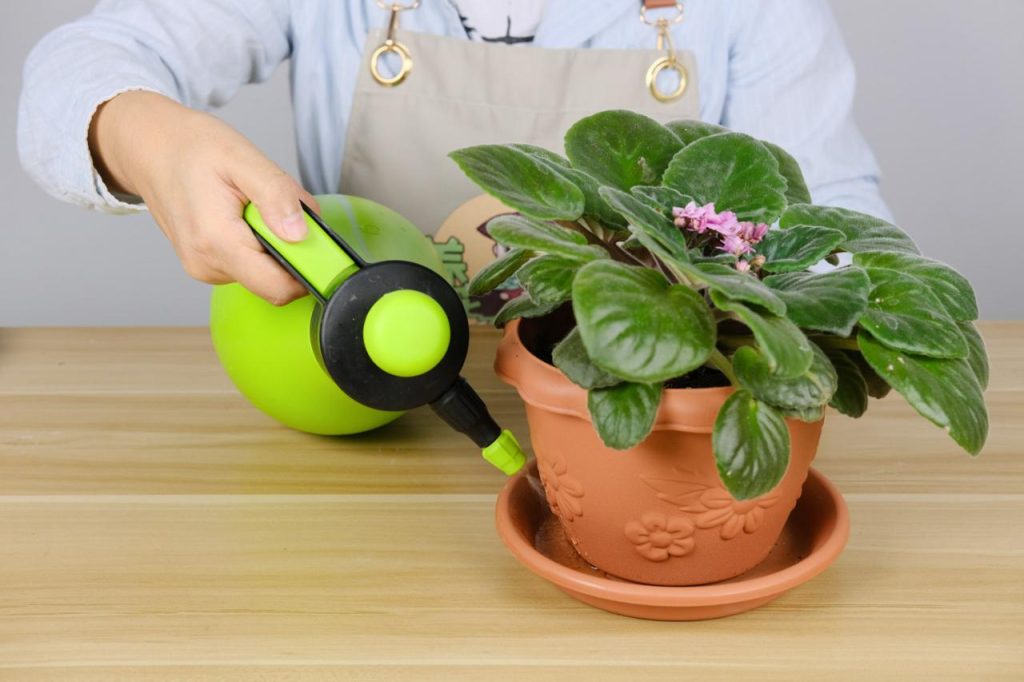
The RHS African violet guide notes that both too much and too little water can reduce flowering. Check the medium and drainage rather than assuming an absence of flowers means a lack of nutrients.
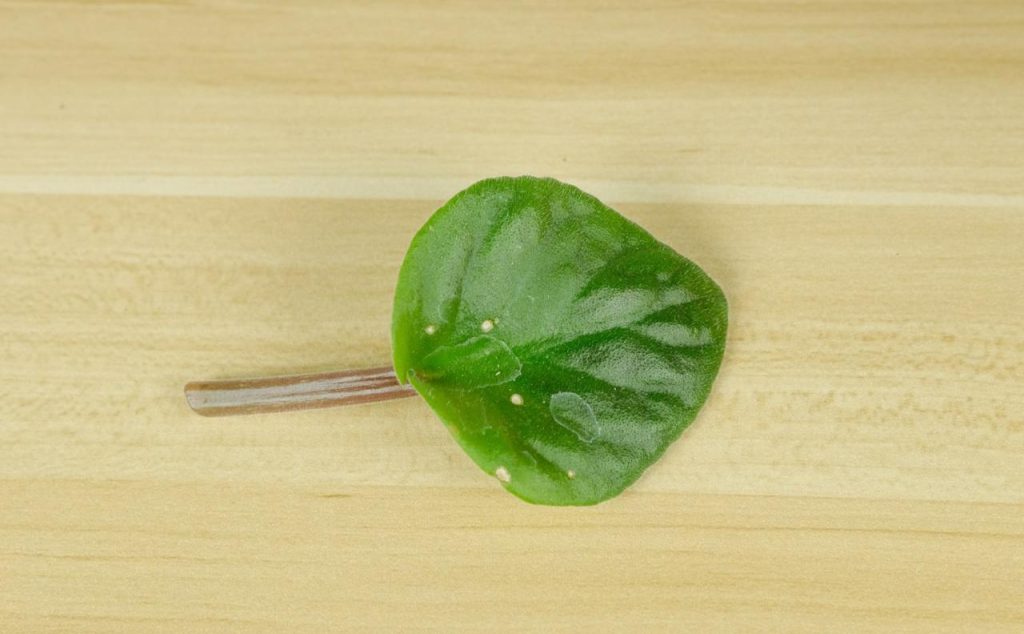
Keep the potting and feeding history with the plant. A newly rooted leaf cutting, a mature rosette and a recovering plant are not equivalent starting points for a flowering timetable.
What should be recorded?
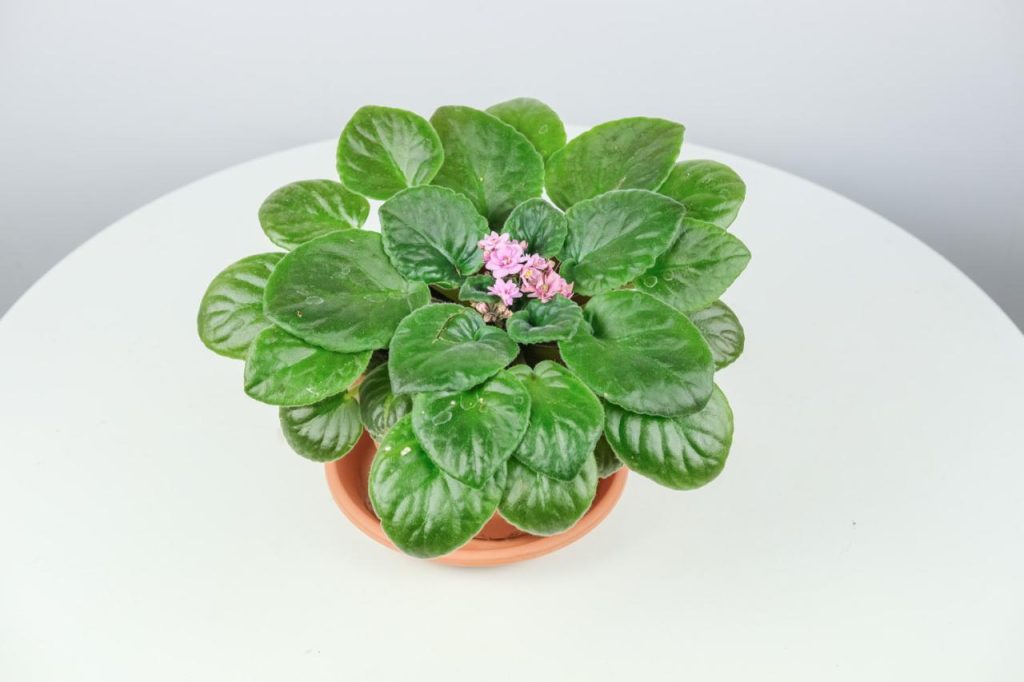
Note the cultivar where known, propagation or purchase date, position, repotting and any feeding. Photograph buds and new growth in similar light. This gives a useful basis for seeking advice if the plant continues to struggle.
For assessing the position itself, see African Violet Light: Brightness Without Harsh Exposure; for the container, see African Violet Pots: Size, Drainage and Root Growth.
Photographs for comparison