Aloe gel and a freshly cut leaf are not interchangeable products, and a plant name alone does not establish suitability for skin use. Claims about treating skin conditions need evidence beyond a household plant-care article.
A plant is not a standardized skin product
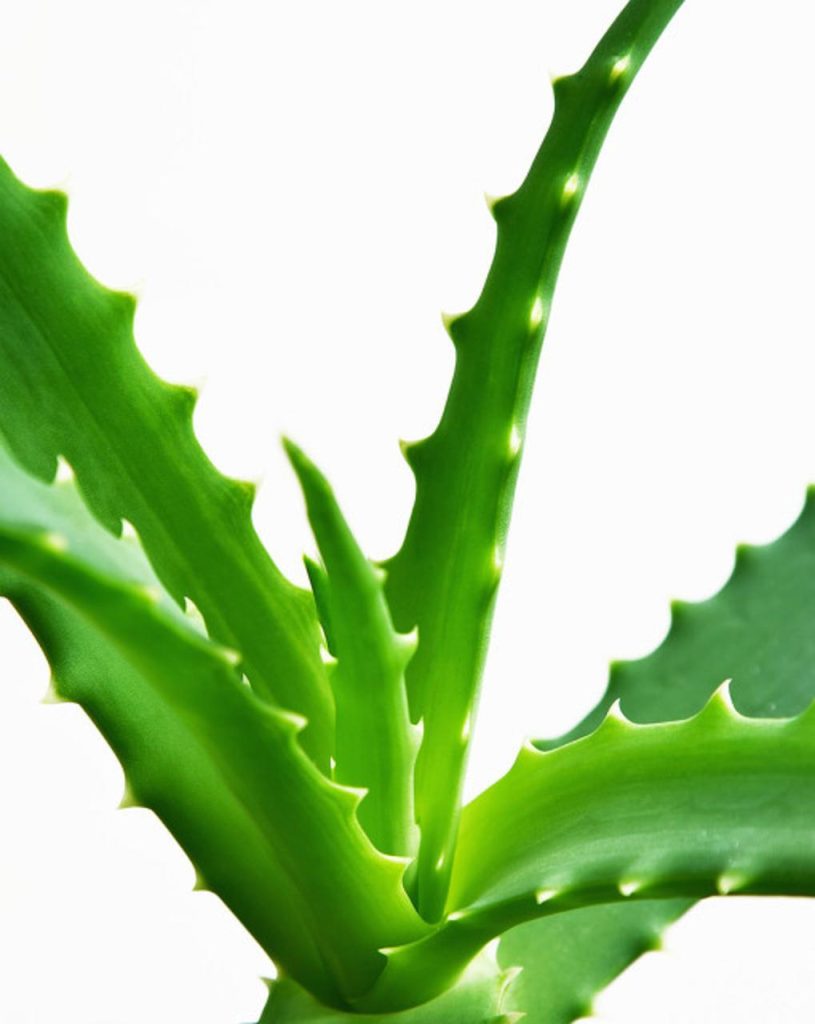
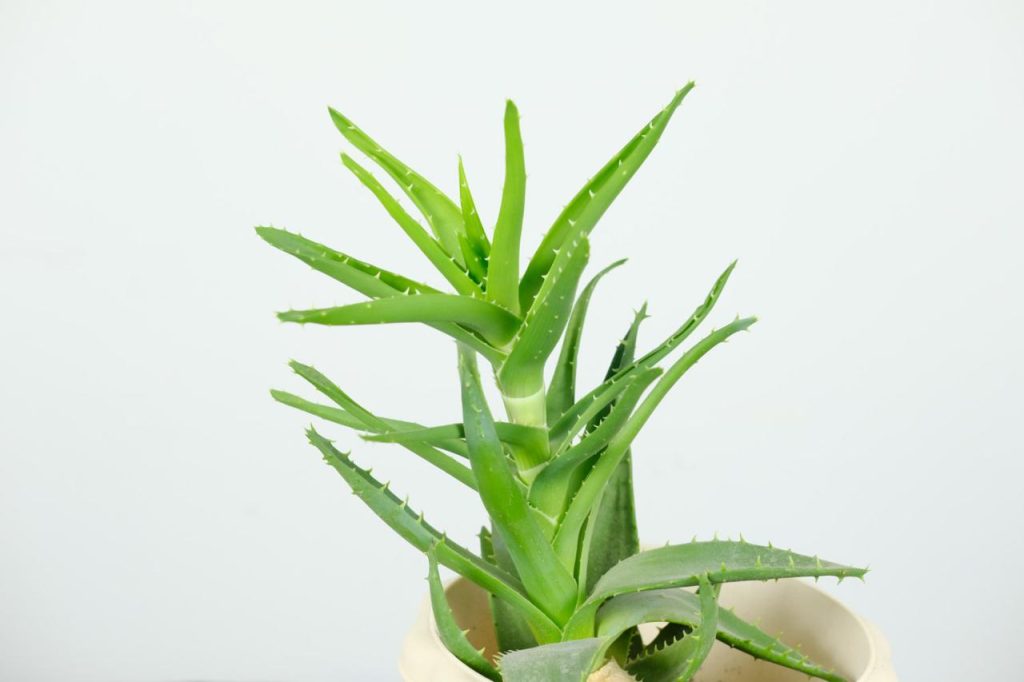
Aloe vera contains inner-leaf gel as well as other leaf material. Cutting a leaf at home does not produce the same preparation used in a study or a labeled cosmetic. Identifying the plant therefore cannot establish that fresh juice is suitable for a particular person's skin.
What the evidence can support
The US National Center for Complementary and Integrative Health describes research on specific topical uses of aloe gel, while noting gaps in the evidence. That research does not justify promises that a fresh leaf will whiten skin, remove wrinkles or prevent hair loss. Evidence for a particular preparation does not establish those cosmetic outcomes for a freshly cut leaf.
Irritation is possible
Topical aloe gel is generally tolerated, but burning, itching and rashes have been reported. Stop using a preparation that irritates the skin. Persistent skin problems or a significant injury need appropriate clinical advice rather than a homemade plant treatment. This article does not provide a fresh-leaf facial recipe or a treatment schedule.
Related reading: Moon Cactus Care: Understanding the Grafted Plant.