A plant's appearance does not establish how safely it can be handled. Identify it correctly and use reliable guidance before pruning, placing or sharing plant material.
Start with identification
An ornamental plant's appearance does not tell you whether its sap or other tissues need special handling. Keep botanical labels and consult an authoritative species profile when choosing a plant for a place where it will be touched frequently.
Plan routine handling
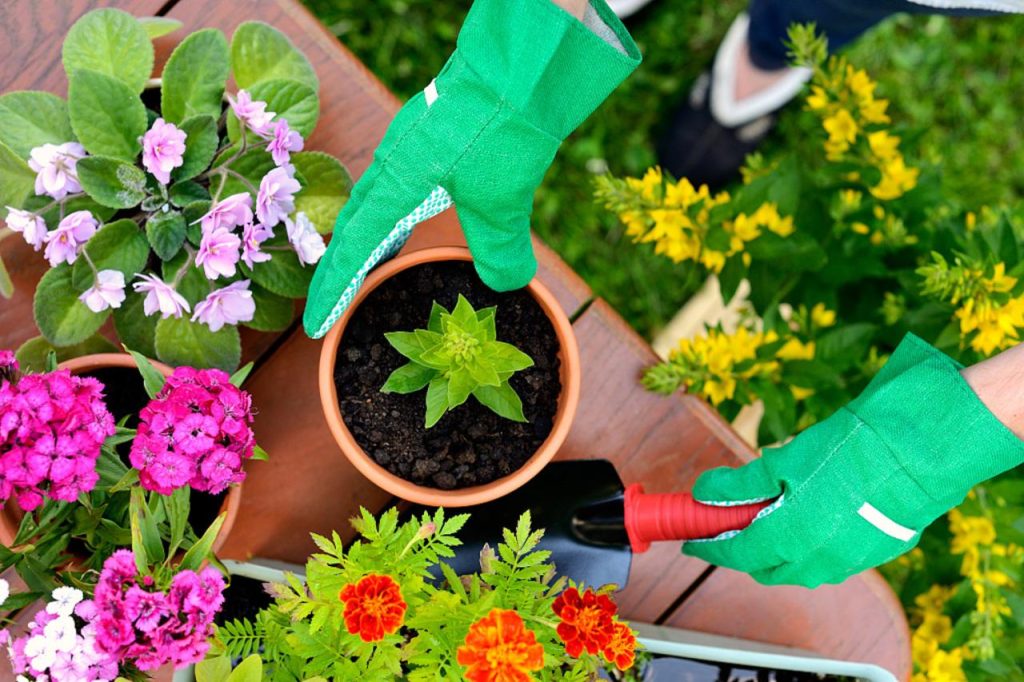
Use the precautions recommended for the identified plant when pruning or repotting. Keep cut material and unknown seeds separate from food, and wash tools and hands after the job. Do not demonstrate a plant's properties by tasting it or applying sap to skin.
Respond to the actual situation
A sensational list cannot assess an individual exposure. If someone has swallowed unknown plant material or has a concerning reaction, obtain appropriate local professional advice and provide the plant identity if known. Do not use an online plant anecdote as a treatment plan.


Related reading: Spider Lily Safety: Start with the Botanical Name.
Horticultural reference
North Carolina Extension: Authoritative plant safety profiles