Geranium is a plant with two seasons and one danger. It grows hard and flowers for months in cool weather, goes half-asleep when the heat comes, and the danger is not the heat but the amount of water and fertilizer a gardener applies to a plant that has stopped using either.
Soil, pot and repotting
The mix needs structure more than fertility: four parts humus, three parts loam or peat, two parts coarse sand or perlite, with organic fertilizer worked in. A simpler version of fine sand, humus and perlite with the same base feed also grows it well. Breathability is the requirement, and the annual job is an autumn repot or, if the pot is staying, regular loosening of the surface so air reaches the roots.
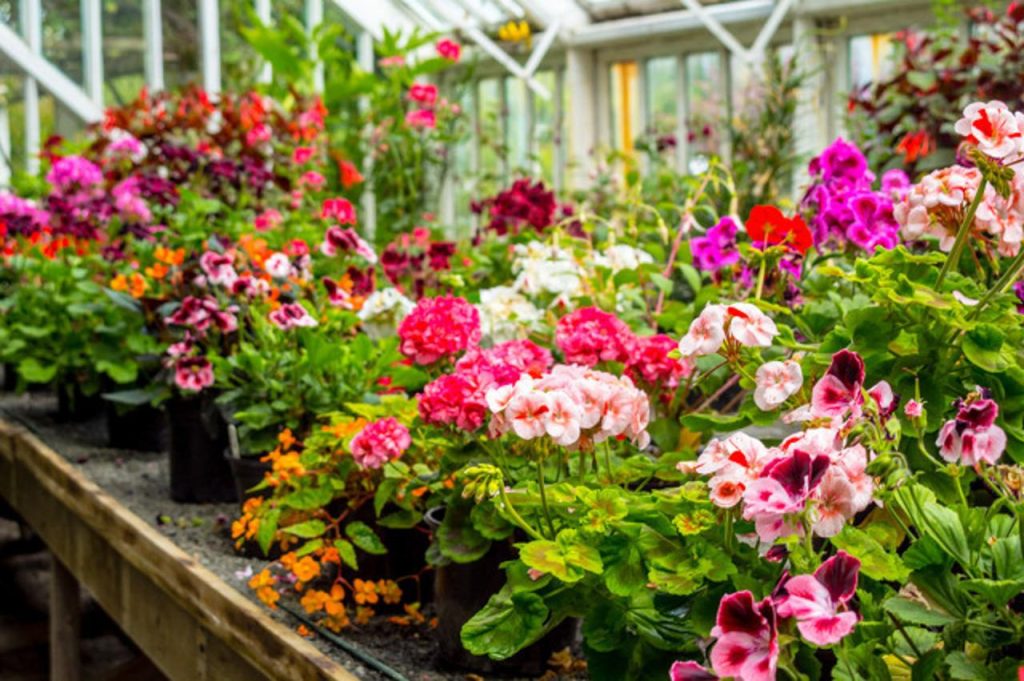
Water, and what rain does
Water geranium on the dry side of comfortable. Through spring and autumn it wants enough to keep the mix consistently moist but never sodden, and on a cloudy or rainy day neither water nor fertilizer. A plant can take rain, but a pot that fills with it is a different matter, since sitting water is what rots the roots. In winter, water that has stood to room temperature should be used, because cold water on a cool root system checks the stems and the foliage.
Light and temperature
This is a sun plant and it shows: grown in full light it is compact, the leaves stay deep green, the joints shorten and the shape holds. Spring, autumn and winter should all be spent in direct sun. Summer is the single exception, when some shade is needed, and once the plant is in flower a bright indoor position keeps the petals from scorching.
Fifteen to twenty-five degrees is the working band and the plant is neither heat- nor cold-tolerant at the edges. Above 35 °C it goes semi-dormant, and what it needs then is airflow and shade rather than water, since a stuffy hot corner is worse than the heat alone. Winter indoors should hold about 10 °C; some varieties shrug off 0 °C, but the average one will not.
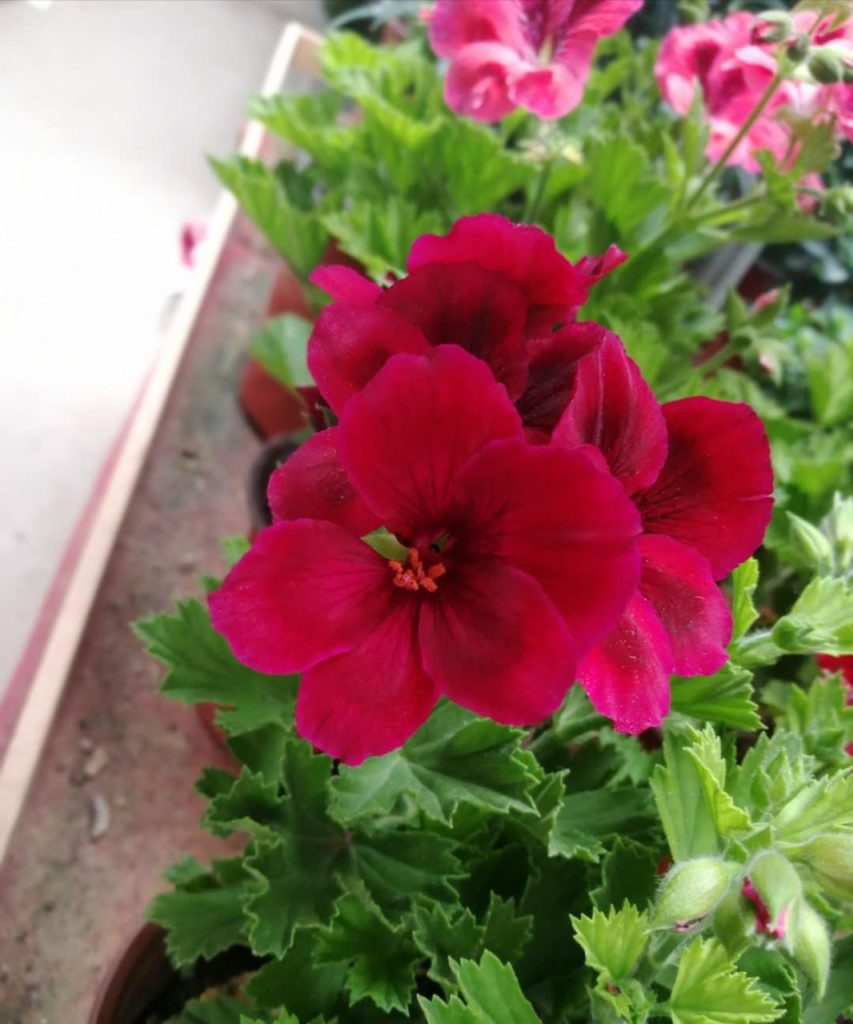
Feeding on a schedule, and a hard stop
Through the growth period, feed every ten to fifteen days, tightening to seven to ten days in spring and autumn with a liquid feed. Before bud formation nitrogen leads; once buds are moving, phosphate and potassium take over, at a concentration between 0.1 and 0.2 per cent. Fertilize in the evening and water the following morning, which is how a feed is kept off dry roots. When heat puts the plant to sleep, stop feeding completely. In winter, if the room is warm enough that growth never halted, feeding can quietly continue.
Two notes on results. Flowering runs naturally from April to June, and a warm winter indoors extends it from September through June. Compact commercial plants are dwarf varieties, not a pruning trick, and where height needs controlling a growth-retardant spray at twelve to fifteen cm of growth, once a week for two applications, with fourteen to eighteen hours of light, is the standard method.
The seasonal feeding logic is at feeding potted plants, what the three elements each do at nitrogen, phosphorus and potassium, and the case for a cool rest period with reduced water is argued for a different genus at clivia in winter.