Wisteria flowering depends on identity, maturity and growing conditions. Check pruning history and light before assuming a plant needs more fertilizer.
Begin with age and plant history
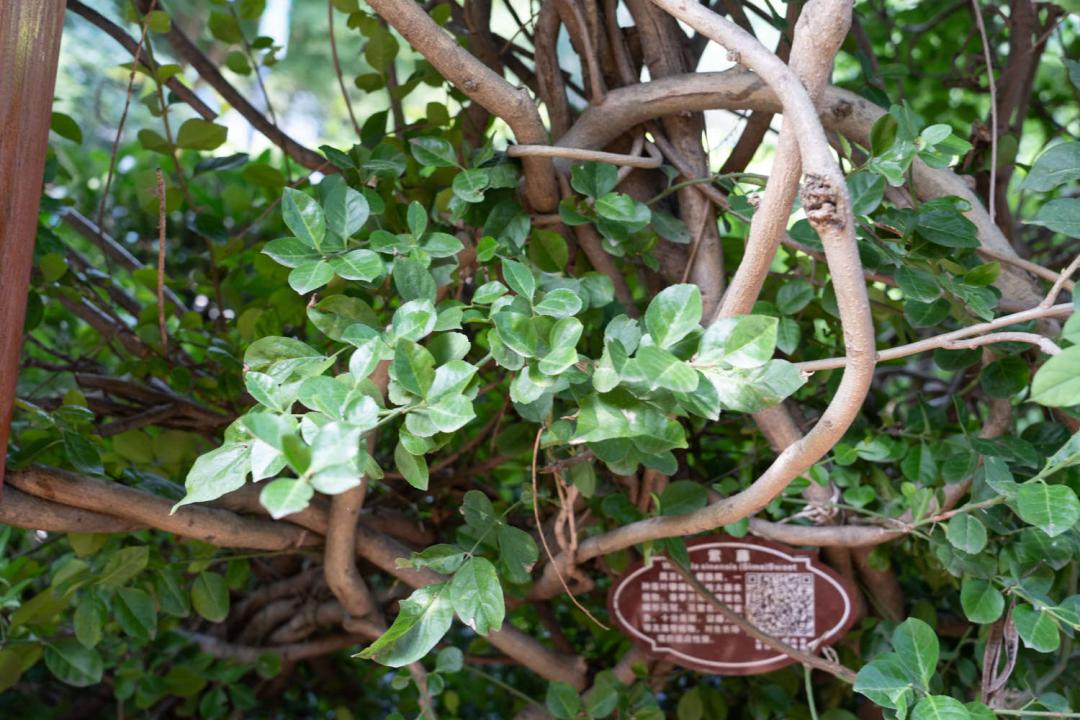
Wisteria flowering depends on the plant's identity, maturity and previous care. Keep the species and cultivar label, particularly when comparing a seedling with a grafted nursery plant. A young vine may need time before producing a reliable display.
Give the permanent framework space
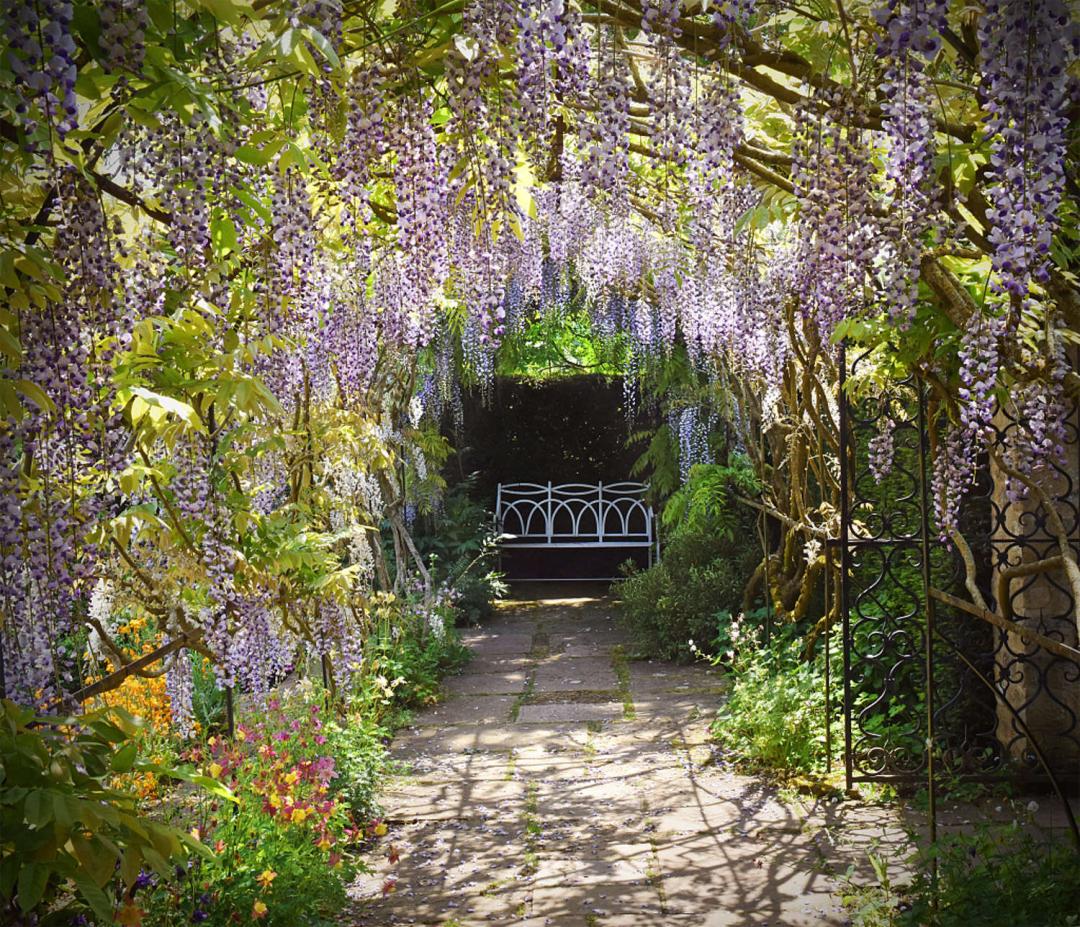
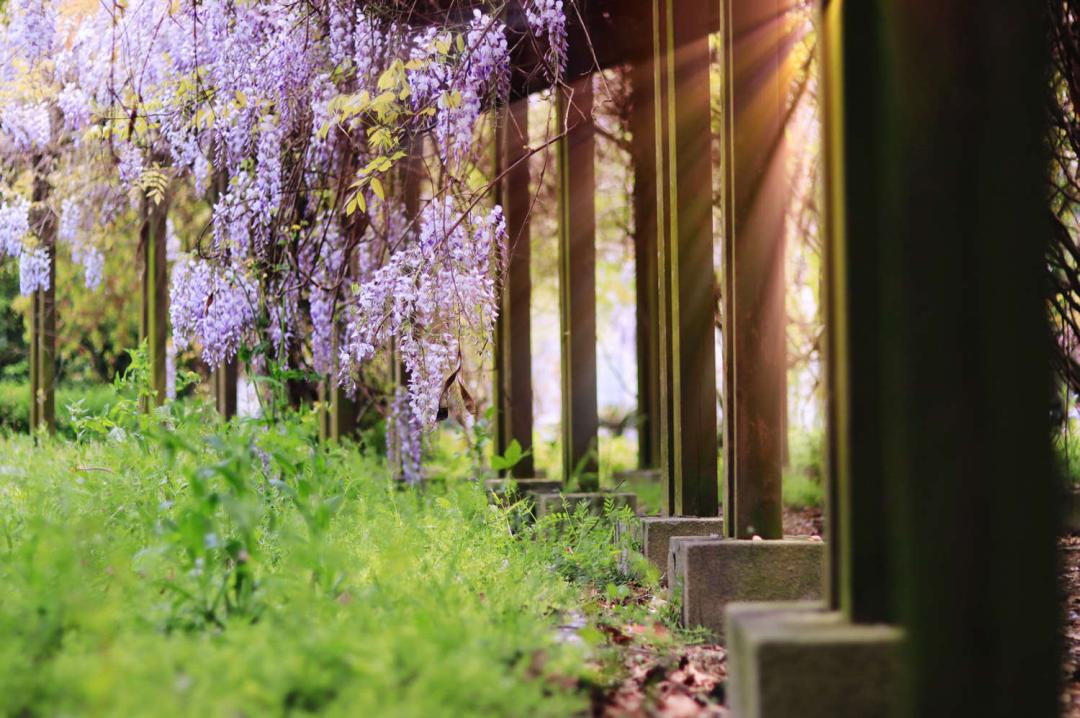
Use a strong support and keep stems away from gutters, roof edges and cables. Provide useful sunlight and monitor the roots during establishment. A shaded, repeatedly disturbed plant will not be corrected by a stronger bloom fertilizer.
Prune without removing the plan
Established wisterias are often managed with summer shortening of long shoots and a further dormant-season reduction of side growth. Use species-appropriate local guidance and preserve the main framework and useful flowering spurs rather than cutting everything back indiscriminately.
Check before drastic action
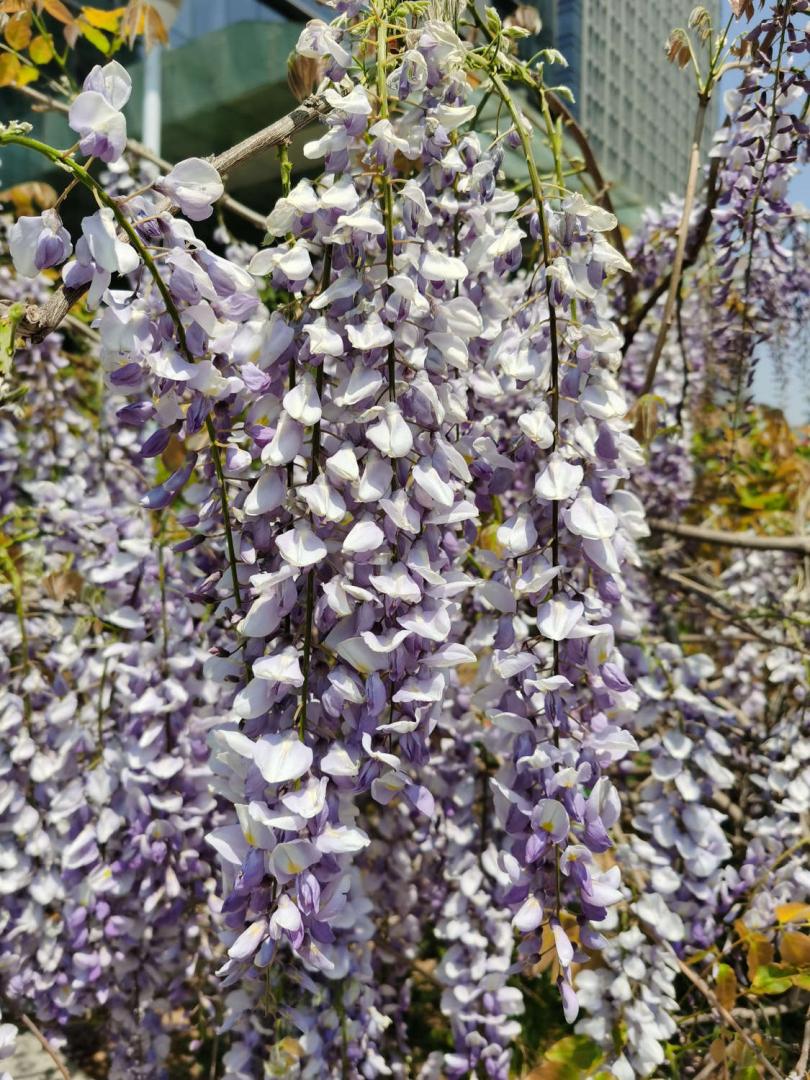
Record where buds develop and consider frost damage, pruning history and light if flowering is poor. Remove dead or damaged growth carefully. Avoid aggressive root cutting or repeated heavy feeding simply because a neighboring wisteria bloomed earlier.

Related reading
Encouraging a Potted Wisteria to Flower