Mint names are often used loosely in shops. Compare the label, leaves and flower arrangement together rather than identifying a plant from one familiar scent.
Peppermint
The purple flower spikes are the first giveaway, and the leaves are flat rather than crinkled, in a green that sits between bright and dark. This is the mint most people mean when they say mint: strong aroma with a clear cooling edge on the tongue. It is used as a herb vegetable in cooked and cold dishes, and across much of Europe it goes into tea more than into food.
Apple mint
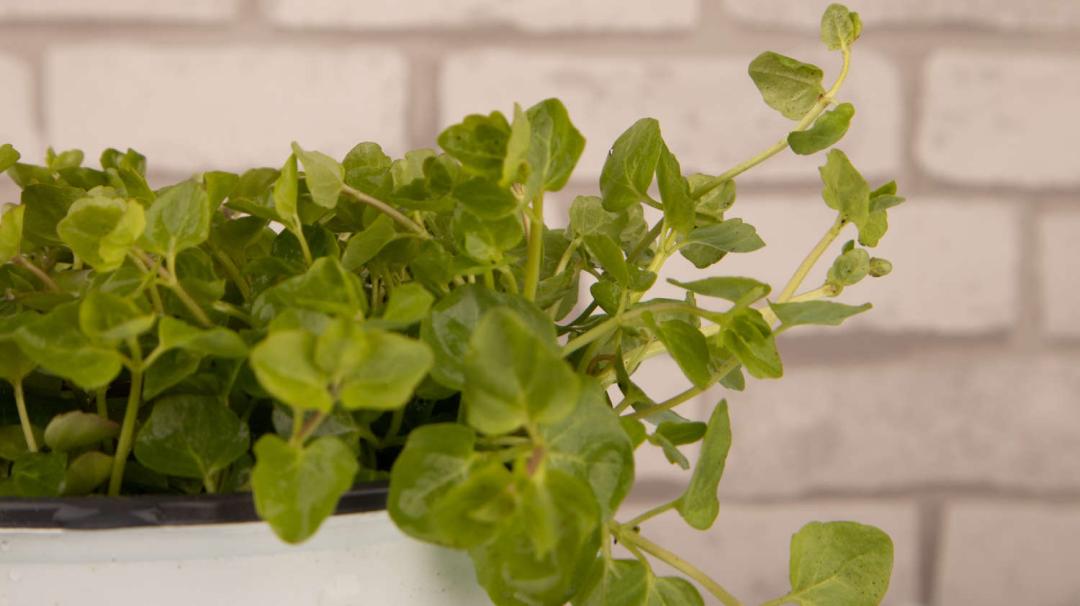
Round leaves and a plant covered in soft hairs, standing 60 to 90 cm once it is happy. Bruise a leaf and the scent is apple rather than plain menthol, which is where the name comes from. The hairy foliage also makes it the least attractive of the group to eat raw, so it tends toward tea and decoration.
Green mint
White flower spikes, and a smell that is light and fresh rather than blasting. The veins on the leaf stand out sharply, which is the quickest field mark. Given room it grows 60 to 100 cm and throws up those pale spikes above the foliage. This is the mild culinary end of the mint family, and the one most often dried for tea.
The short pink-spiked kind
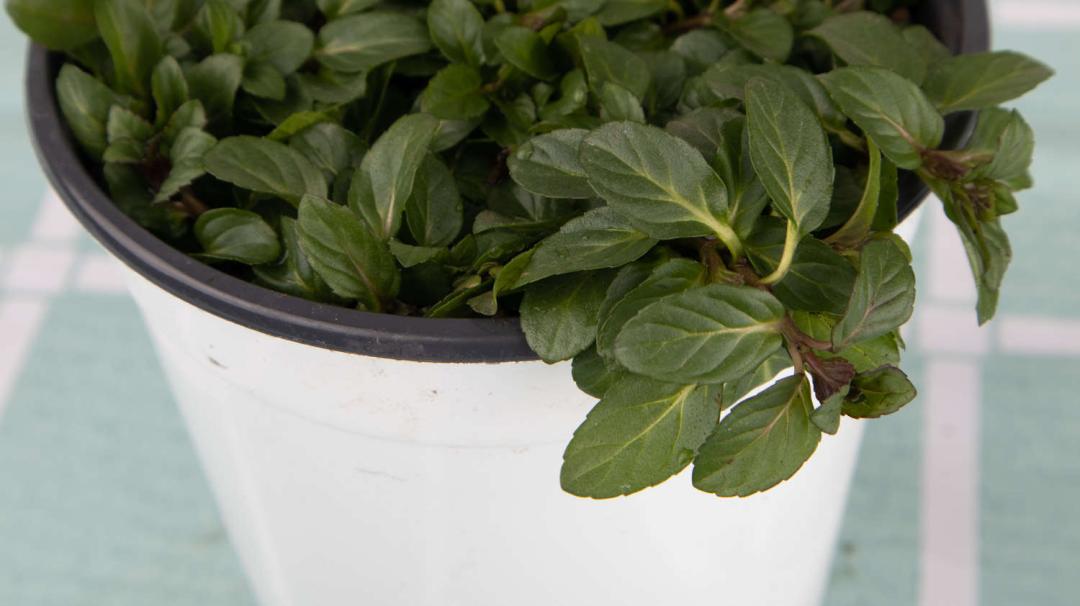
Listed on some seed packets as pupil mint, and easy to pick out by habit: it stays low at 10 to 40 cm and the spikes come pink. It is also the tender one of the group, noticeably sensitive to cold, so it wants the sheltered corner of the herb bed or a pot that comes in from the frost.
Pineapple mint
Oval to round dark green leaves with wide milky white blotches around the edge, 10 to 50 cm tall, and a faint fruity smell on the foliage. In practice it is grown to be looked at rather than picked; the variegation is the plant's best feature, and it makes a good edging where the mints are allowed to run.
Lemon-scented mint
About 50 to 80 cm, hardy, and the easiest of the six by a distance. It takes neglect well, comes back from the smallest piece of root, and gives a clean lemon scent when a leaf is crushed. The leaves are used in tea, and it carries the ordinary folk reputation of the mints for settling a heavy stomach.
Two things to do once you have chosen
Keep the running kinds in a pot sunk into the ground, or the bed becomes theirs within two seasons. Then propagate from what you like. Mint roots from a cut tip in a glass of water so readily that most gardeners never buy a second plant. The five standard cutting methods covers the softwood technique properly. Feed for leaf rather than flower. A nitrogen-forward liquid over the cutting season keeps the growth tender. Judging which fertilizer a plant wants is a short read that saves a lot of wasted money. For any of these that you keep on a windowsill, the pot soil advice written up for rosemary in containers applies just as well to the mints that dislike wet feet.
Related reading: Catmint and Mint: Compare Botanical Names and Leaves.