Pennywort can produce flowers, even when its leaves are the main reason it is grown. First confirm which pennywort you have: the common name covers plants with different leaf and flower features.
Look closely at the flowering shoot
NParks describes Hydrocotyle verticillata with small white flowers in whorls along the inflorescence. Its H. sibthorpioides profile describes very small greenish-white flowers. These are named examples, not a way to identify every round-leaved pot from one feature.
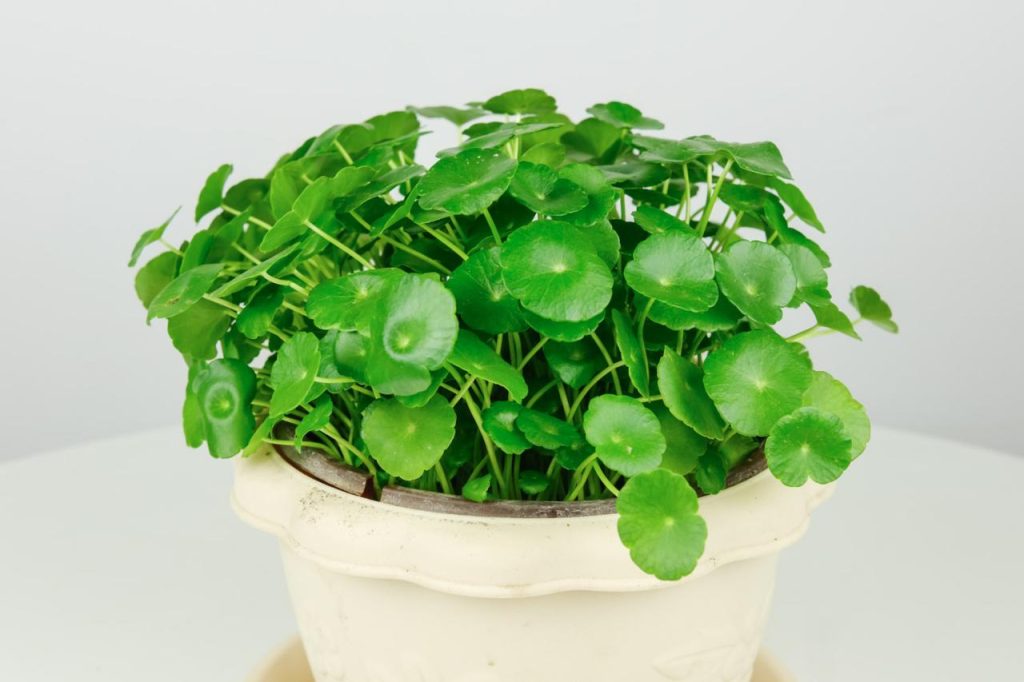
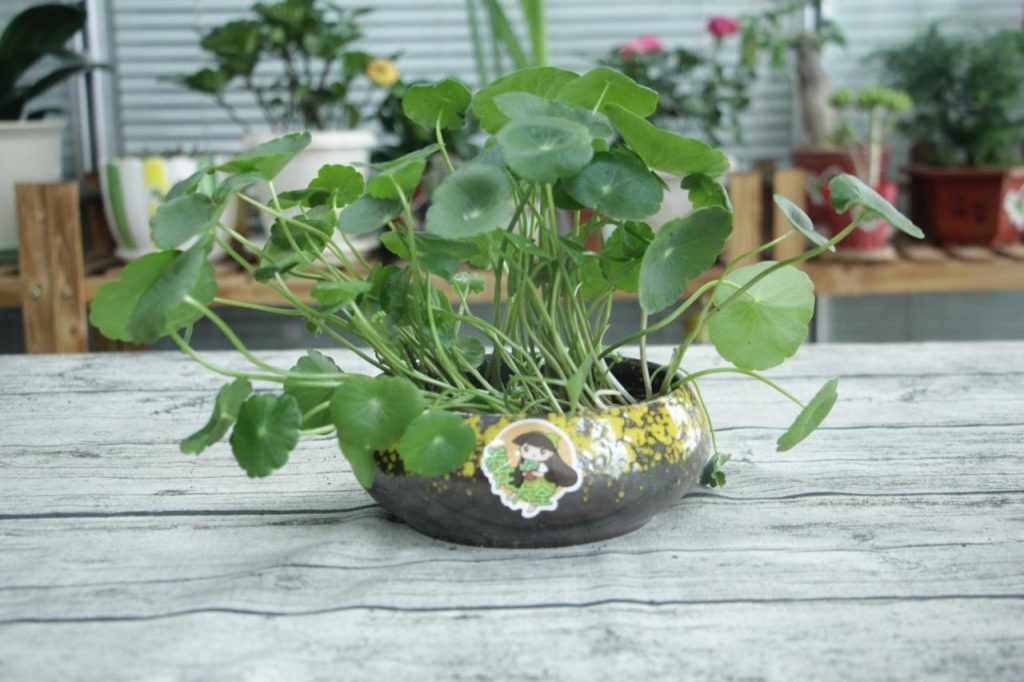
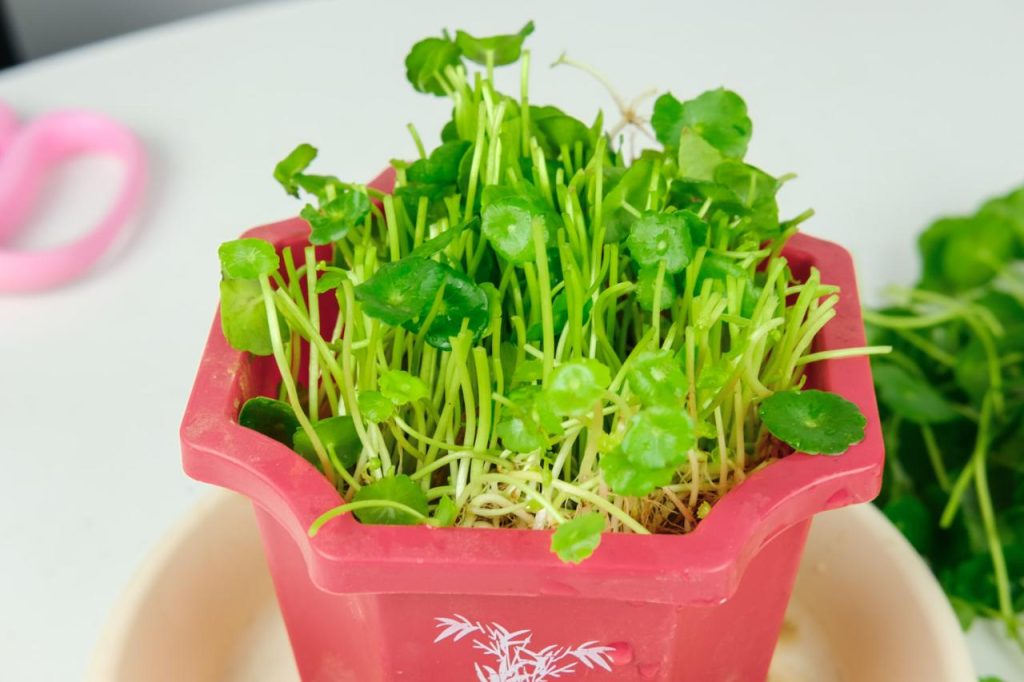
Photograph the shoot, the leaves and their attachment to the stem. Keep the date and growing conditions with the plant’s label. That record is more useful than a universal “pennywort flowering month”.
Decide whether to keep the flowers
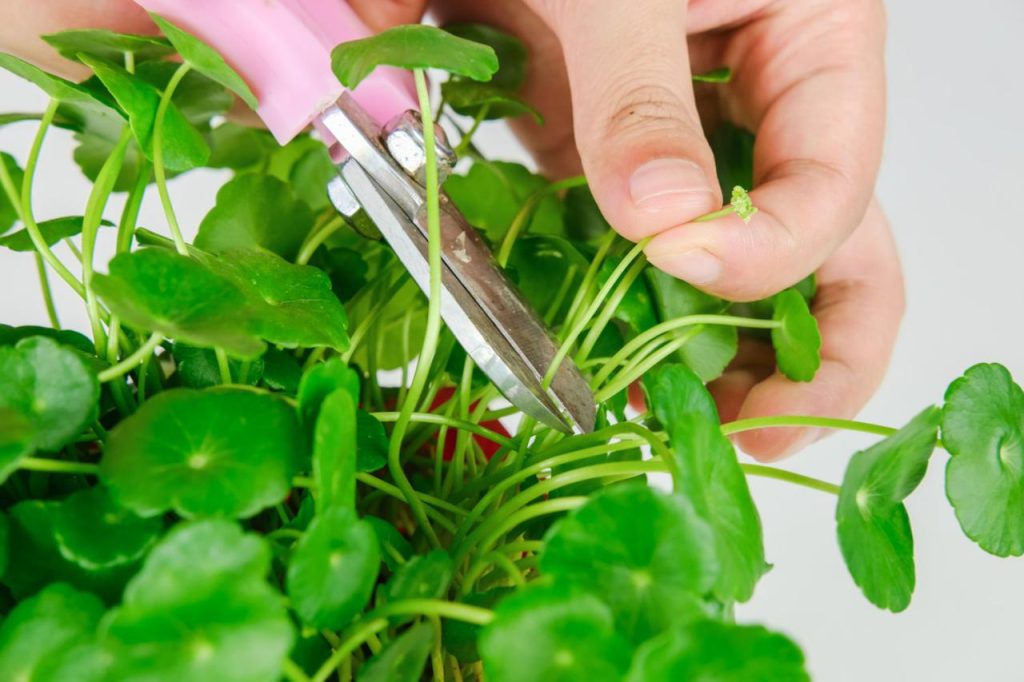
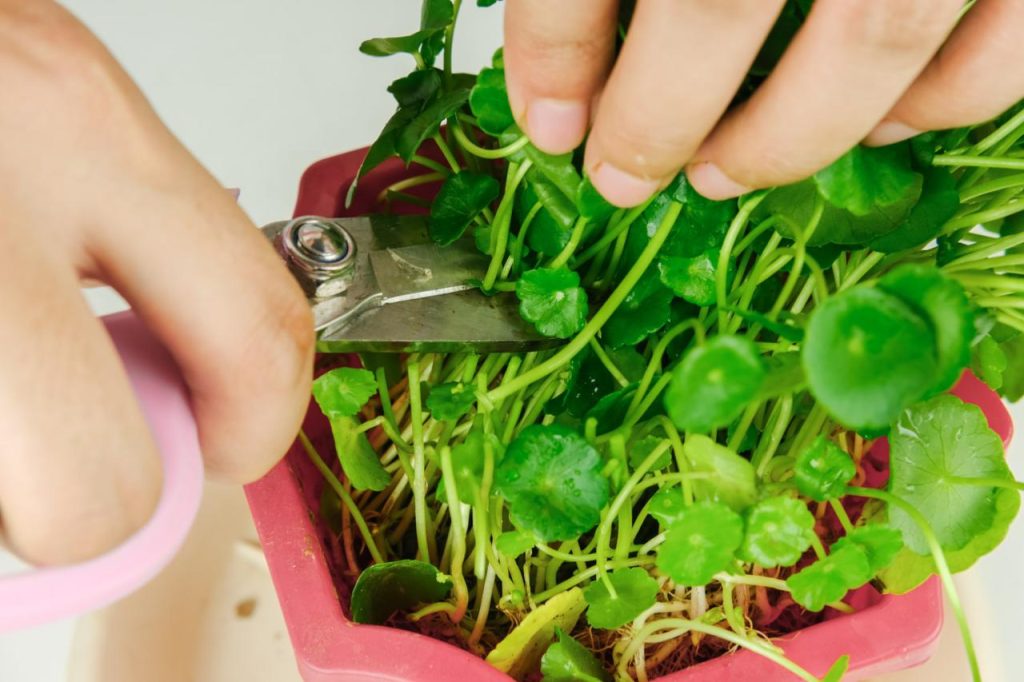
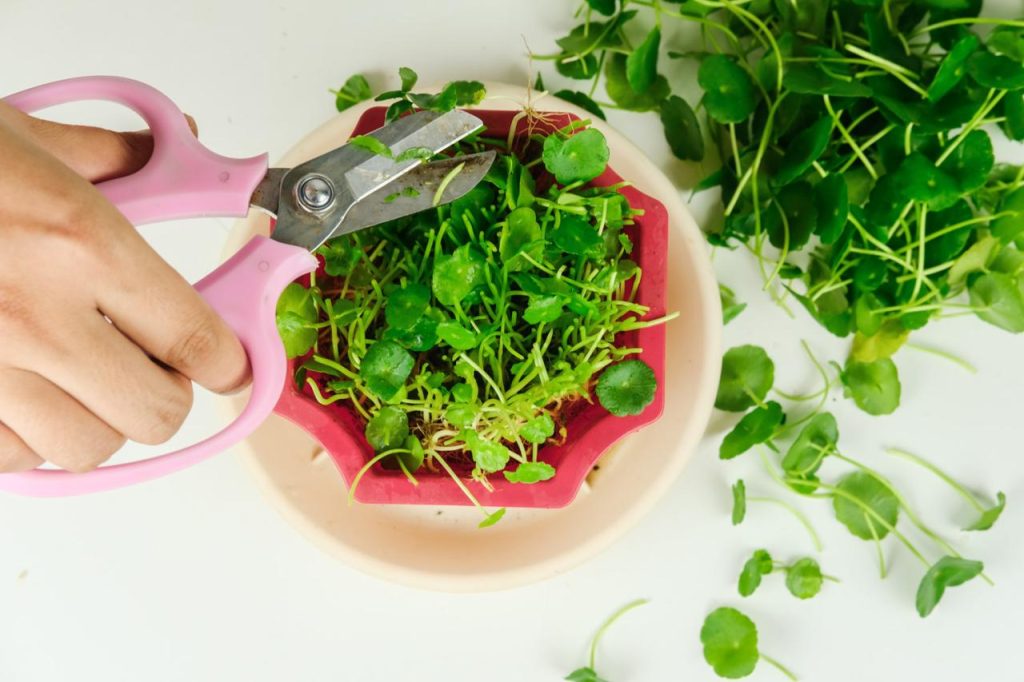
If you want to observe flowering or fruit development, leave a healthy shoot accessible for inspection. If maintaining a foliage display is the aim, remove unwanted spent material carefully with clean tools. There is no need to invent a different fertiliser recipe solely because a flower appeared.
Does flowering explain smaller leaves?
Not by itself. Check the plant’s recent light, root space and growing setup before assigning a cause. A flower and a change in leaf size occurring together do not show which condition changed first. The companion guide, Pennywort Potting Mix: Plant Identity and Moisture, explains why plant identity matters when choosing the root environment.
Photographs for comparison