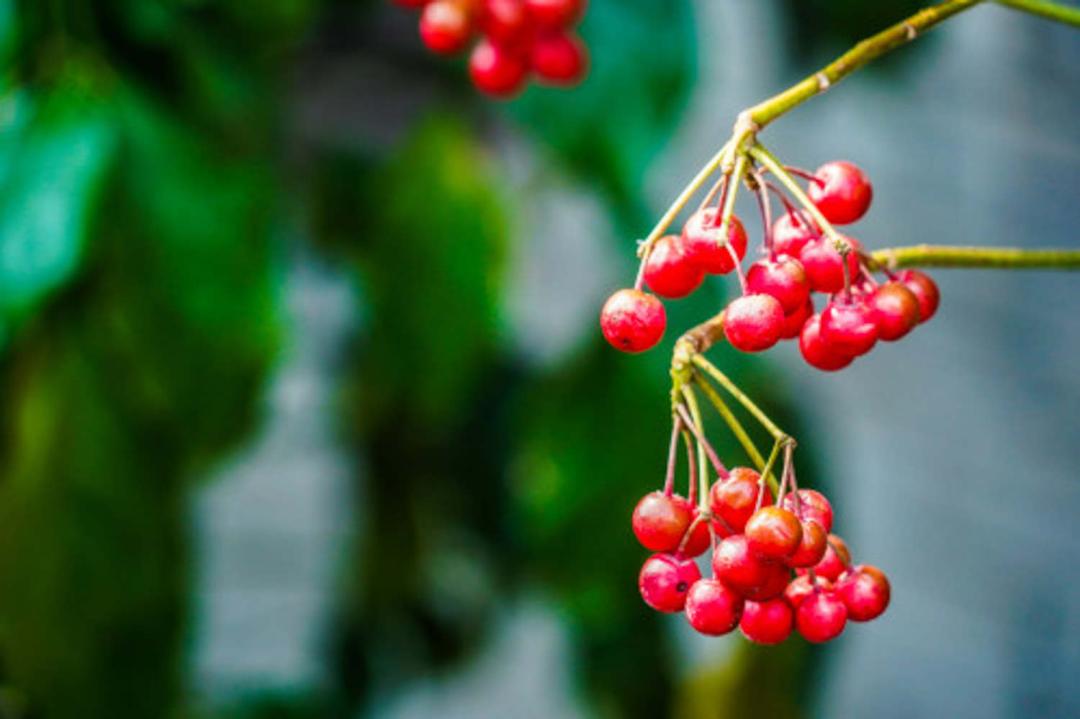
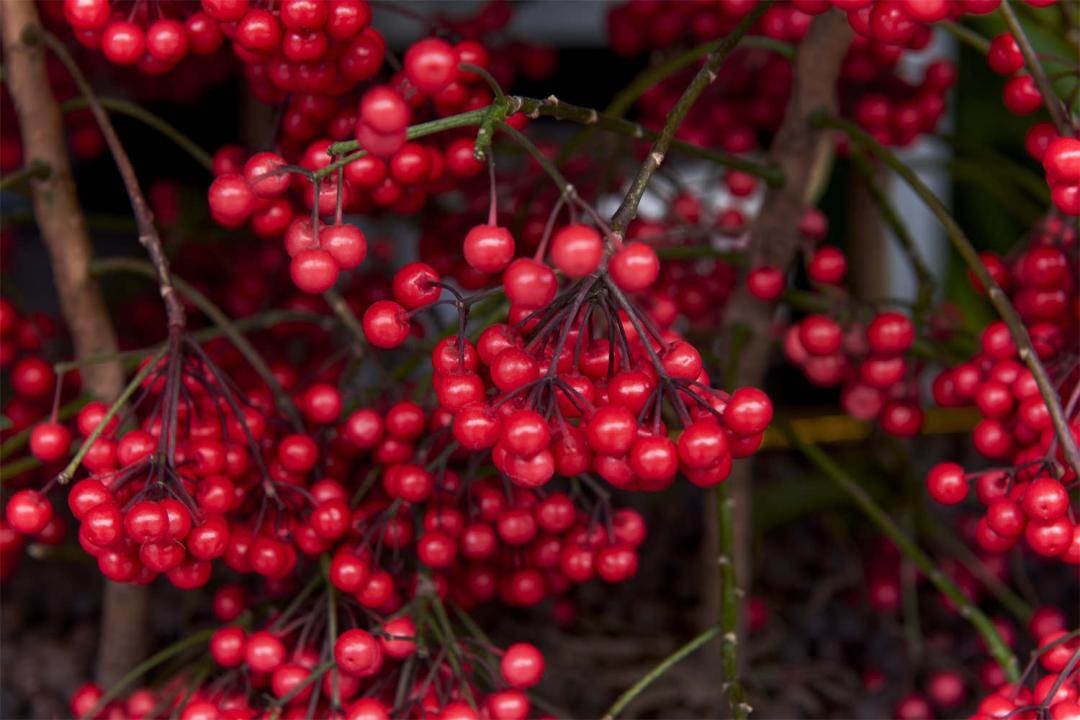
Coral berry is sold for glossy foliage and colorful fruit. Check the species and root conditions before expecting an indoor display to retain berries through every season.
Temperature, the constraint that decides everything else
Active growth happens between 16 and 28 °C. Above about 32 °C the plant slows markedly rather than dying, which is why a hot summer windowsill produces a stalled, stressed plant in July. Winter is the tighter limit: it needs to stay above 5 °C, so a frost-free porch, a hallway or a heated room is fine and an unheated conservatory in a cold district is not.
Practical response to heat is shade, misting the air around the plant and ventilation, not more water at the root. In winter the opposite: keep the pot somewhere mild and bright, and do not let cold draughts from a door hit the foliage.
Light
Bright scattered light, never the midday sun through glass. The leaves scorch in direct sun and the plant does not need it, and the one exception is winter, when a weaker sun can be taken advantage of to keep the plant compact and to support the fruit that is still hanging on. That is also the season to check that the plant is not leaning into a single window; turn the pot.
Water and humidity
The plant grows in humus at the edge of woodland, and its preference is a moist or slightly dry run rather than either extreme. Keep the mix evenly moist through active growth and never let it dry out completely, but do not let the pot sit in water: root and stem rot is the commonest way this plant is lost, and it starts from a saucer. In winter, cut the watering back so the surface goes almost dry between drinks.
Air humidity of 50 to 70 per cent is the target, which is why a heated room in winter is where the leaf tips go brown. A tray of wet pebbles under the pot does more than spraying, which evaporates in minutes.
Feeding for flowers and berries
Through spring and summer, a nitrogen-leaning feed supports the leaf growth the plant wants first. Before flowering, shift to phosphate and potassium, which is the feeding that decides whether you get the berry display at all. Stop feeding once growth halts for winter, since a dormant root system cannot use it and the salts simply accumulate in the mix.
The logic behind changing the feed rather than increasing it is the same schedule set out in how to feed house plants without overdoing it.
Cutting, repotting and the pests
Trim regularly if you want a dense shape; an unpruned coral berry goes leggy and fruits only at the top of long stems. Remove the spent berry clusters as they fade, and take out crossing branches in spring. Repot in spring as the pot fills, refreshing the mix rather than jumping to a much larger container each time.
Pests to expect: scale on the stems and leaf undersides, aphids on new growth, then sooty mould on the honeydew they leave. Among the diseases, leaf spot, stem rot and root rot all share the same cause, which is wet conditions around the base. The controls for the sap-sucking pair are in what to do about aphids in pots. A plant that is rotting is a watering problem before it is a disease, and that argument is made at length in how to water a spring feather philodendron.
Related reading: Ardisia Flowering and Fruit Development.