Camellias and azaleas share a preference for suitable acidic growing conditions, but they are not interchangeable plants. Identify each one before copying a feeding or pruning calendar.
Soil first, and it is not negotiable
Both want acid growing medium. Where the native soil is sweet or limey, work a prepared mix in rather than hoping the plant will adjust, and rotted pine needle material is the traditional answer, being acidic, open and full of the fine fibrous roots' preferred texture. Sieved needle soil from under conifers is worth collecting for, and the method for using it is described in raising flowers in pine needles. A pot of this kind of mix suits either plant far better than a general peat compost, which settles and goes anaerobic.
Water and fertiliser for a fine root system
Fine roots do two things badly: dry out and sit in water. So the feeding and watering regime for both must be careful rather than generous. Before the spring flowers finish and the next season's buds begin, a phosphate feed once a month pushes bud formation along. Once a plant is actually in bloom, switch to a mixed nitrogen and phosphate feed, and in the autumn from October onward return to phosphate, which is what ripens the following year's buds.
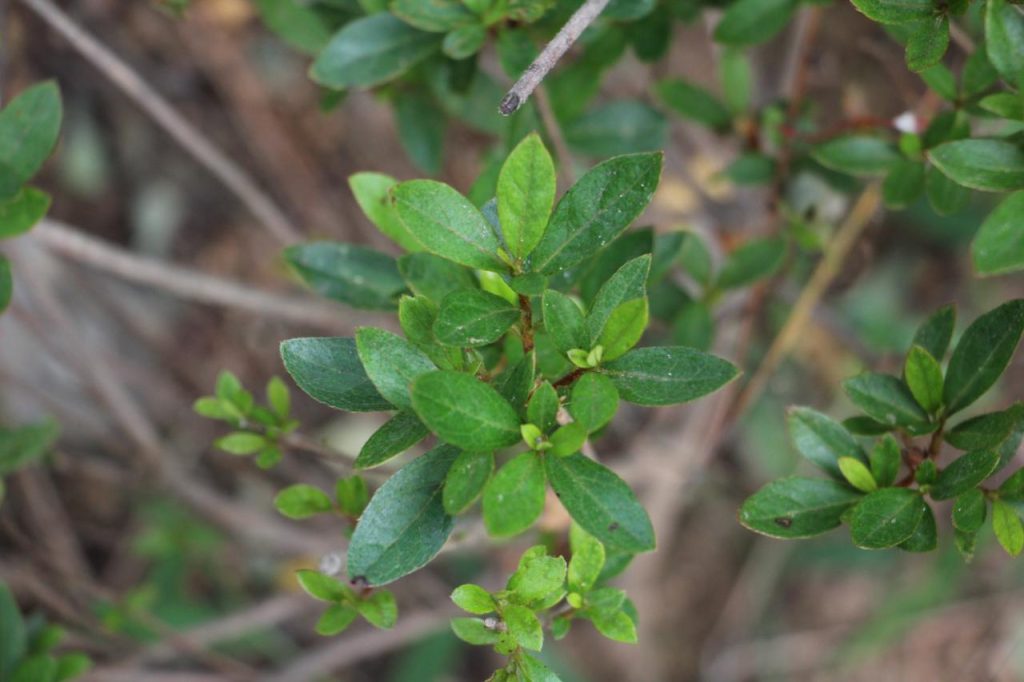
Azalea in particular likes a moist atmosphere as well as moist soil, so humidity around the foliage matters in a heated room or a glasshouse. Keep the ground evenly damp and never let a pot stand in water. Standing wet is how the root tips go black, and a plant with dead roots shows it as wilting in wet soil, which almost everyone misreads as drought and answers with more water.
Pruning, and why the timing is fixed
Both plants sprout strongly, and both carry buds on wood made that season, so pruning has a deadline. Take out the long straggling branches and any dead or damaged wood, in spring or autumn, and do the main cut immediately after flowering finishes. Cut later and you are removing next year's bloom along with the twig. A light annual shaping gives a plant with flowers at the ends of every branch; a camellia left for four years flowers only at the top and looks bald underneath.
Controlling when it flowers
The flowering period can be moved about deliberately. To bring camellia or azalea on early, move the plant under glass, raise the temperature and hold the humidity up; warmth persuades the buds to open. To hold flowers back, keep the plant cooler and out of shelter, which slows the buds and can extend the display by weeks. This is the same trick used on clivia and other hard-flowered pots, and the essentials of mix and repotting are covered in pot soil and repotting.
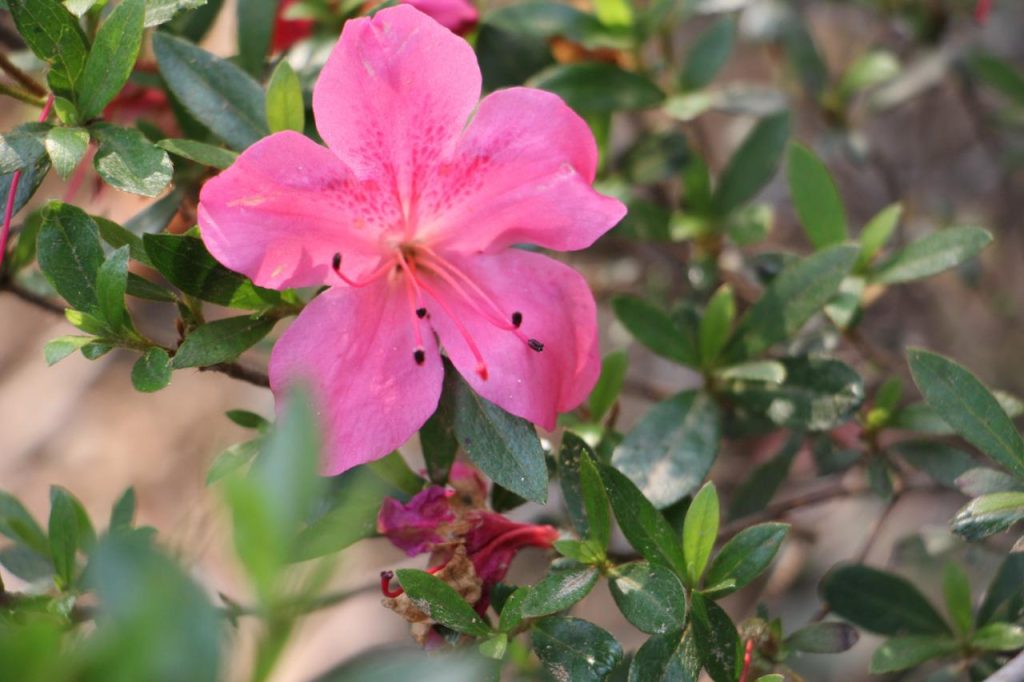
Foliage disease is the other half of keeping either plant. Camellia leaves mark up easily, so look for the yellowing between green veins that means the soil has gone too sweet, and for the brown scurf and spots that follow poor air movement. Treat what you find early and improve ventilation at the same time, since a crowded, still plant will simply produce the same problem again. Shade-tolerant and acid-soil requirements make the glossy-leaved cinnabar root a good companion to grow in the same corner and the same mix.
Related reading: Potting Mix for Camellias: Acidity and Drainage.