Skip to content
home

Home

Tang Fan Succulent Care Through the Seasons

  • by

Tang Fan is grown for its leaves, flowers and thickened roots. Watch for active growth before changing watering as temperatures rise or fall. Identify Tang Fan before imposing a rest Translated mesemb names can be… 
Tang Fan Succulents Outdoors: Choosing a Position

  • by

Tang Fan's fleshy roots need protection from prolonged wet conditions. Consider rain exposure and drainage before moving a potted plant outdoors. Tang flesh root characteristics Tang fans's fat meat roots, vitality is very powerful, don't… 

Orchid Nutrient Problems: What Leaf Symptoms Can Tell You

  • by

Discolored orchid leaves can reflect feeding problems, but damaged roots, unsuitable light and watering can produce similar symptoms. Check the roots and recent care before treating a pale leaf as proof of a single missing… 

Ji Yulu Haworthia Care: Roots, Light and Water

  • by

Ji Yulu haworthia needs bright filtered light and an airy root zone. Check the medium below the surface before giving a pot another drink. Give the leaf windows useful filtered light Ji Yulu is a… 

How to Appreciate Orchid Flowers, Leaves and Fragrance

  • by

Orchid appreciation begins with close observation of the flower, the arch of the leaves and any fragrance the plant produces. A quiet look at one plant often reveals more than comparing price labels or chasing… 

Ji Yulu and Ice Lantern Haworthias Compared

  • by

Ji Yulu and Ice Lantern haworthias differ in leaf shape and growth habit. Compare established plants, since age and cultivation can affect their size. Body type The Jiyu defect is relatively small, only 3-4 cm… 

Echeveria runyonii Care: Light, Water and Winter

  • by

Echeveria runyonii needs bright light and a pot that sheds excess water. Move it into stronger sun in stages and protect it from freezing conditions. Echeveria runyonii needs a bright position Use useful light and… 

Runyonii and Peacockii Echeverias: Leaves Compared

  • by

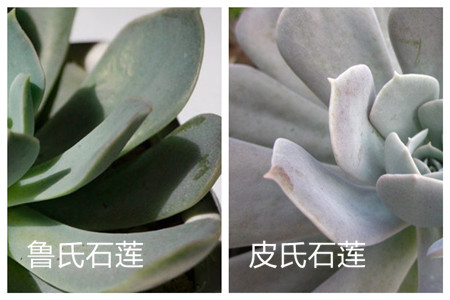
Runyonii and Peacockii echeverias both have pale, powdery leaves. Compare the leaf outline and tip rather than treating blue color as a reliable identifier. Leaf color The color of the leaves of Rupian and Peillian… 

Cymbidium sinense Care in Containers

  • by

Cymbidium sinense needs air around its roots as well as moisture. Choose an orchid medium that suits the pot and how quickly your growing space dries. Treat Cymbidium sinense as a named species Mo Lan… 

Echeveria runyonii Flowers and Flower Stalks

  • by

Echeveria runyonii produces flowers on a stalk above the leaves. A flower stalk and an offset are different structures, even when both carry small leaves. Is Lu Shilian blossom? Ru Lianlian is blooming, the Lushi… 

Cymbidium sinense Forms: Leaves and Flowers

  • by

Cymbidium sinense forms may be selected for leaf markings as well as flowers. Check whether a name describes variegation, flower form or a particular cultivar. Gold mouthground The blades have 3-5 pieces, which grow on… 

Cymbidium sinense and Cymbidium kanran Compared

  • by

These two cymbidiums can be difficult to separate from leaves alone. Compare the leaf base, flowering stem and flowers together when identifying a plant. Differences between Mo Lang and Hanlands: Look at the vein The…