Gasterias are grown for their thick patterned leaves and benefit from a freely draining root environment and suitable filtered light. Introduce brighter exposure gradually and avoid judging thirst from a single older leaf.
1. Growing habits
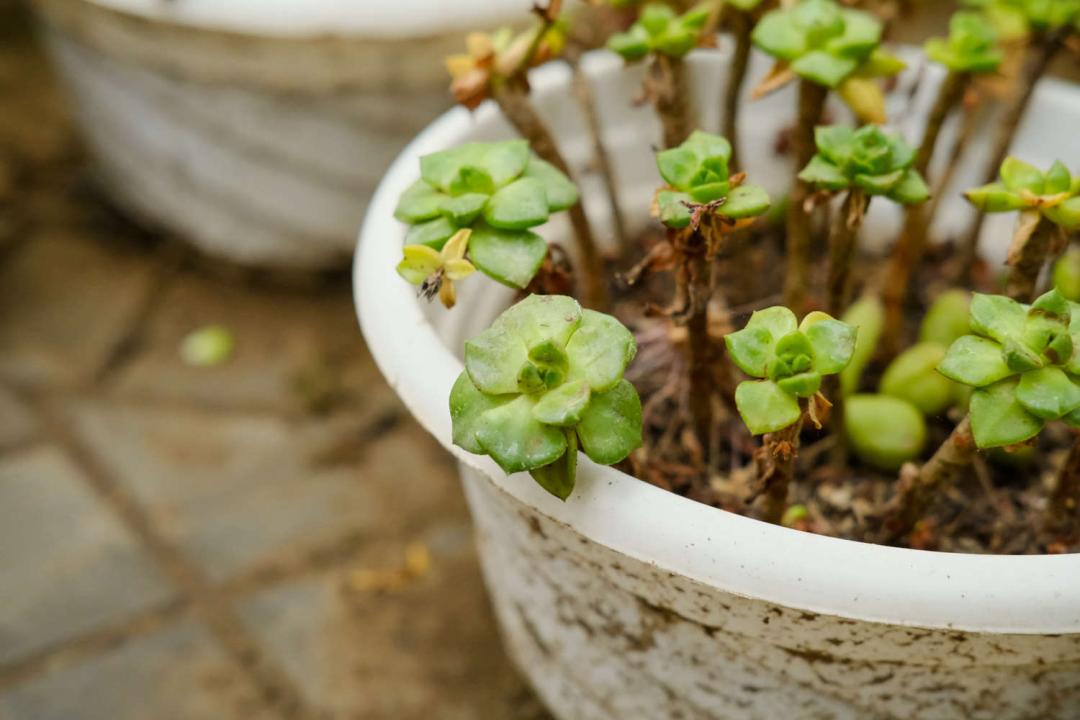
Before breeding, we must first understand its growth habits, which is a very important prerequisite for breeding any plant. Poor lying cows like to ventilate and scatter the sun with sufficient sunlight. It requires that the air must have a certain moisture. The temperature that is most suitable for its growth is 13 degrees to 21 degrees. Even in winter, the temperature cannot be lower than 10 degrees Celsius. It has slightly requirements for the soil, and prefers loose and fertile sandy sand.
2. Breeding method
1. Light. Polynuts like the sun, and the sufficient sunlight can make it grow more vigorously. The leaves will be very thick, and the color of the leaves will be very green, but the summer heat will still be shaded slightly to prevent it from being exposed to strong light, otherwise Its leaf color will become light tea, and the beauty bureau will be greatly reduced!
Check the gasteria's growing medium before watering. Heat, container size and root activity change the drying rate, so a weekly interval should not be treated as a rule.
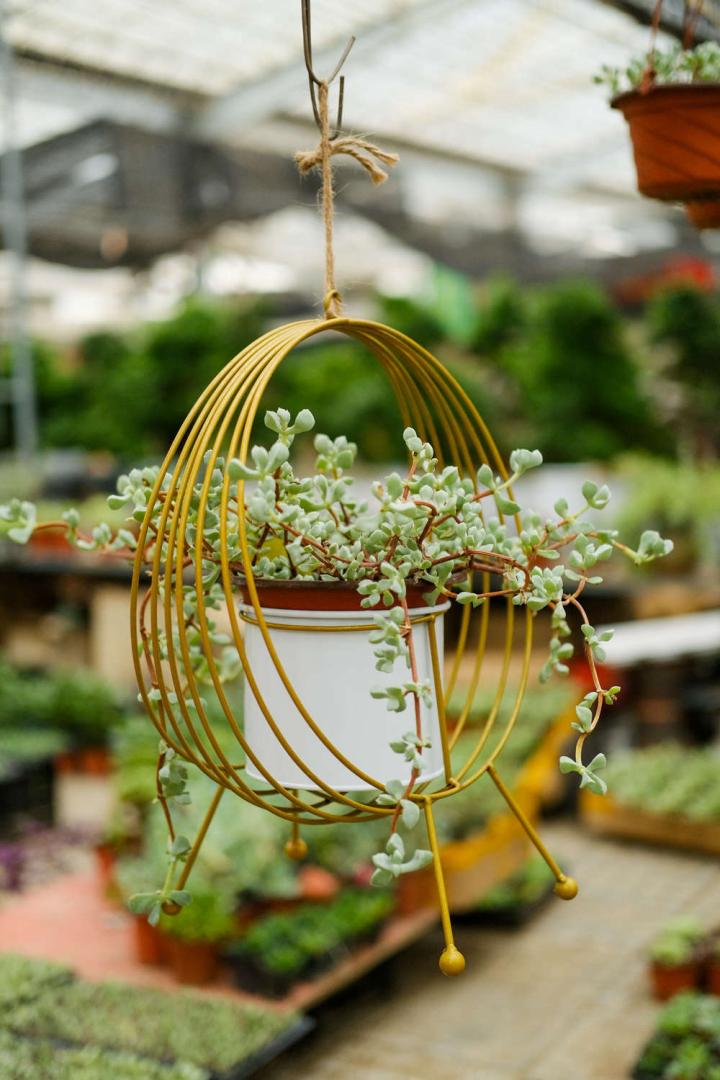
3. Fertilization. Usually, you can use some plant -specific liquid fertilizers to spray its blades or fertilizer with other special formula fertilizers. In this way, its leaves will be more shiny, but do not fertilize when the temperature is particularly high.
4. Place. The place where the fleshy lying cow must be guaranteed to ensure the stable climate, otherwise the severe environmental changes will cause its leaves to shrink and affect the beauty!
Well, the maintenance method of lying cattle is introduced here. Interested flower friends can study it.
Related reading: Little Ball Rose Succulent Care: Light and Root Space.