Snake plants can tolerate difficult conditions, but tolerance is not the same as healthy growth. Check light and root moisture before deciding how much water the plant needs.
Snake plant stores water in its leaves and rhizomes
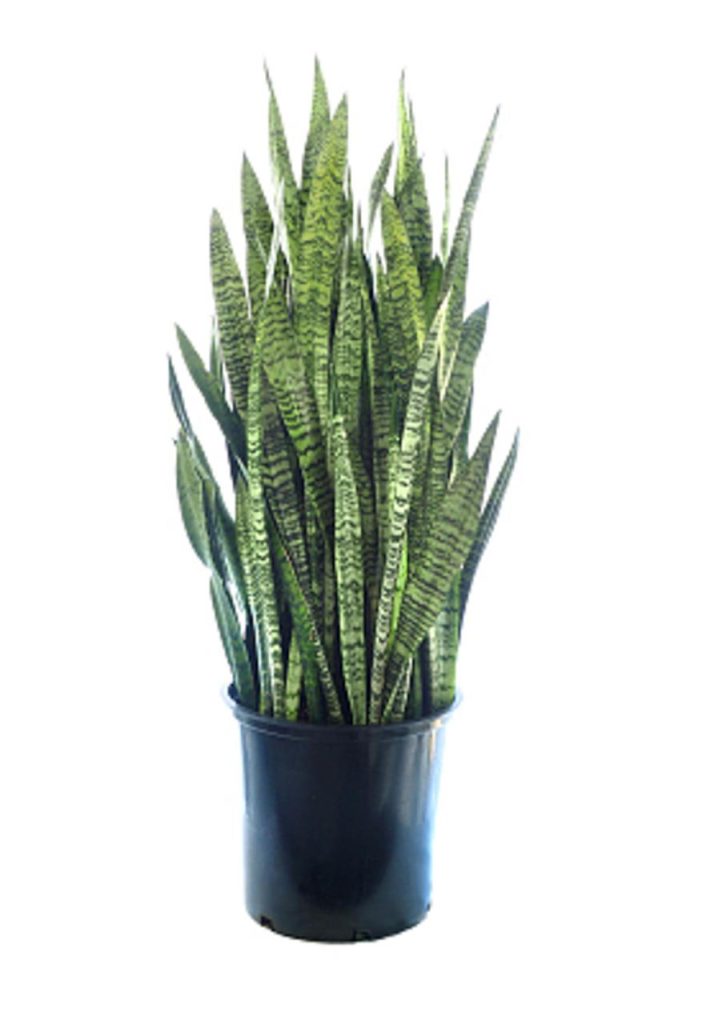
Dracaena trifasciata, formerly Sansevieria, needs less frequent water than many leafy houseplants. It still benefits from useful light. Shade tolerance is not a reason to expect vigorous growth in a dark corner.
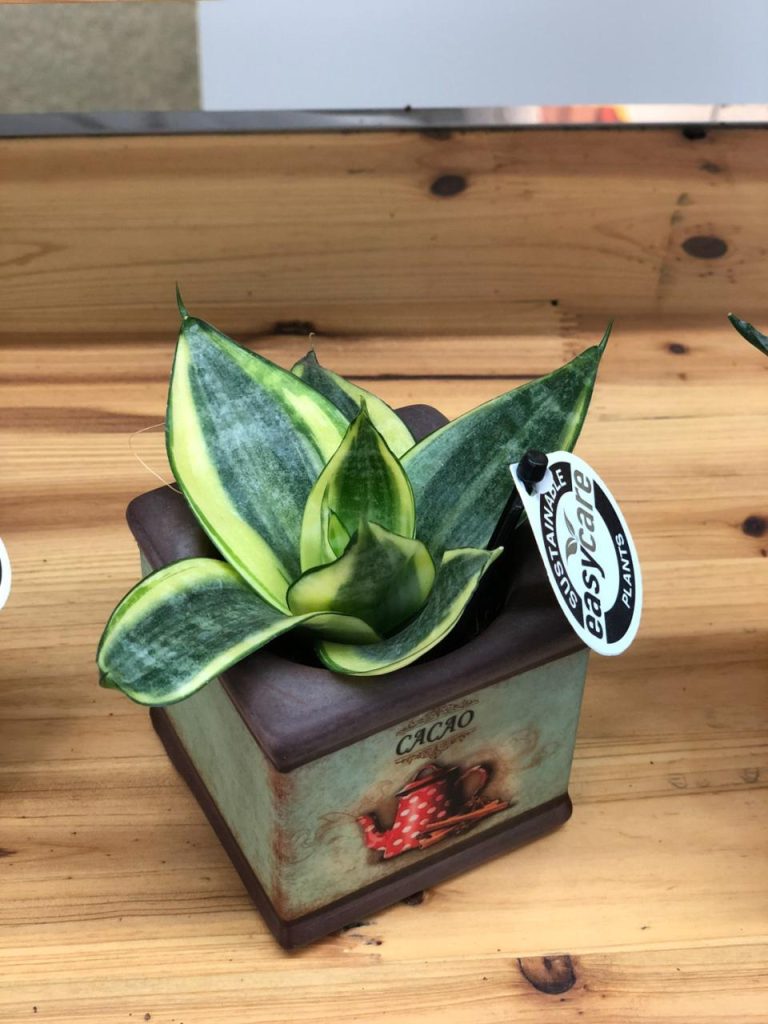
Pot material changes drying
Plastic, glazed and porous pots do not behave identically. Choose drainage and a size that fits the roots, then use an open growing mix. Water after appropriate drying and let surplus leave; never let a decorative sleeve turn the base into a reservoir.
Propagation affects the result
Division can preserve a selected plant's pattern more reliably than every leaf-cutting method. Retain sound rhizome and roots on divisions. Avoid burying damaged leaf pieces in wet compost or promising that every fragment will produce an identical plant.
Inspect softness, not just leaf angle
A leaning leaf can have several causes. Widespread softness near the base calls for a root and moisture check. Protect the plant from cold, especially when wet, and use modest feeding only during healthy active growth.
Related reading
Money Tree Care: Light, Moisture and Container Size