Hellebores need a suitable root zone and seasonal care. Keep the plant label and check drainage rather than assuming every broad leaf signals thirst.
Choose a suitable hellebore
Hellebores include different species and hybrids. Keep the cultivar label and choose a position suited to it, often with protection from harsh exposure. They are ornamental garden plants, so keep clippings separate from edible herbs and compost work tidy.
Improve the root environment
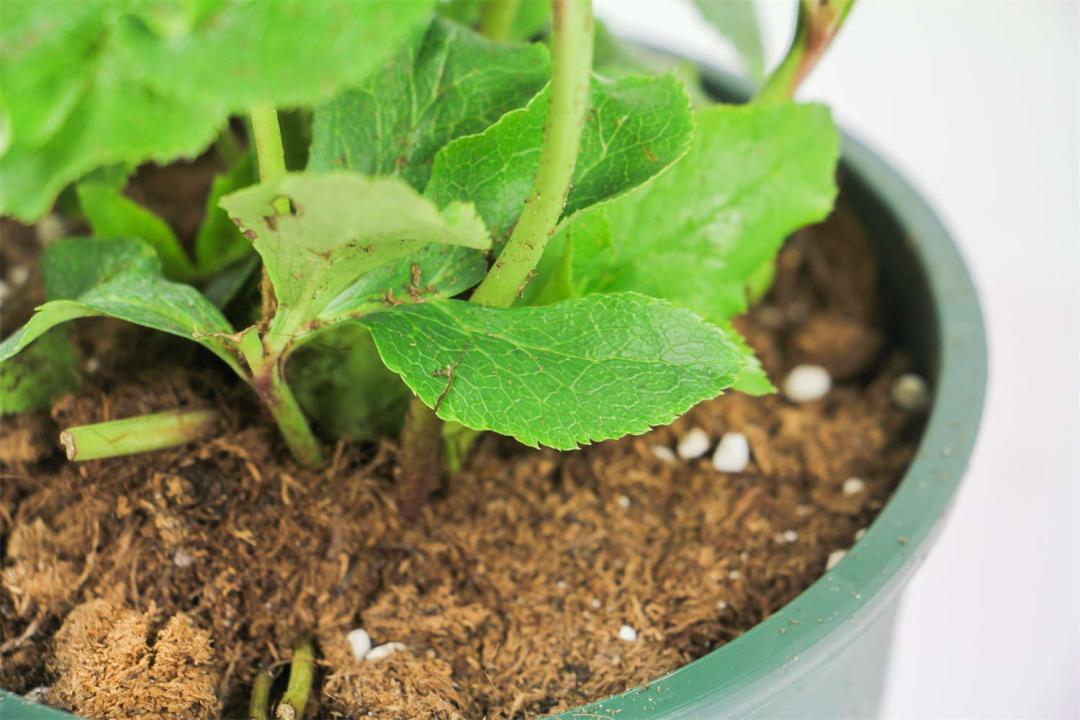
Provide soil with organic matter and drainage after rain. Avoid planting the crown too deeply or packing wet mulch over emerging buds. Water new plants through dry spells while their roots establish beyond the nursery ball.
Remove leaves selectively
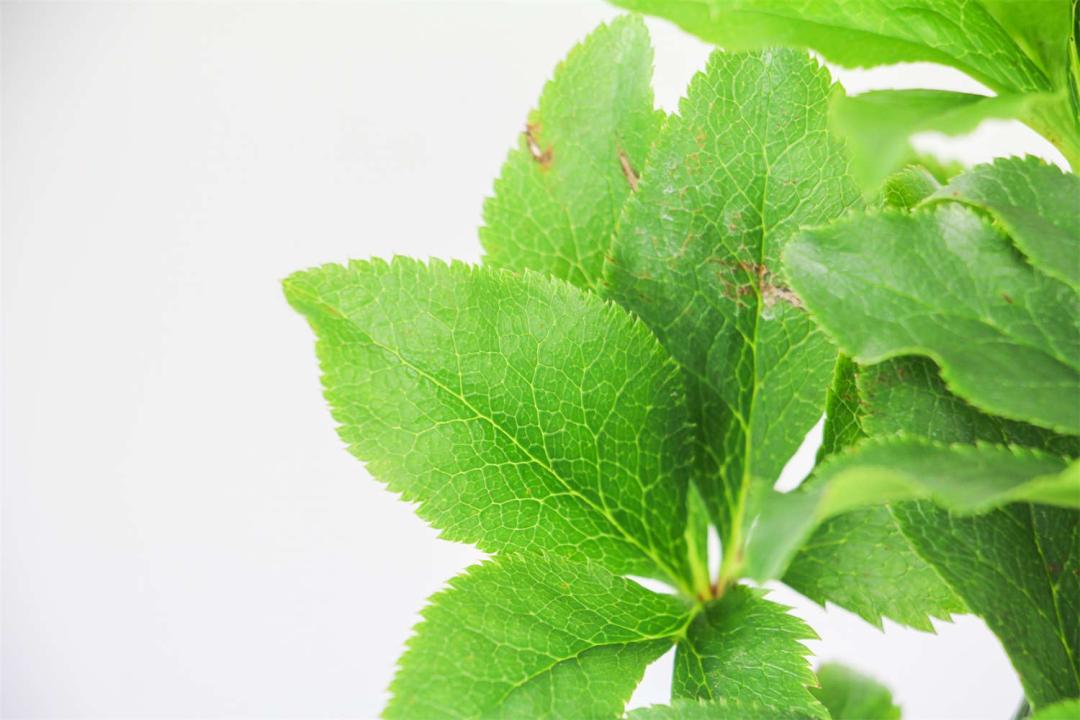
Cut away damaged or diseased foliage with clean tools when it interferes with new growth or flowers. Do not strip every healthy leaf from an unfamiliar hellebore: stem and flowering habits vary, and retained foliage can remain useful.
Watch seasonal growth
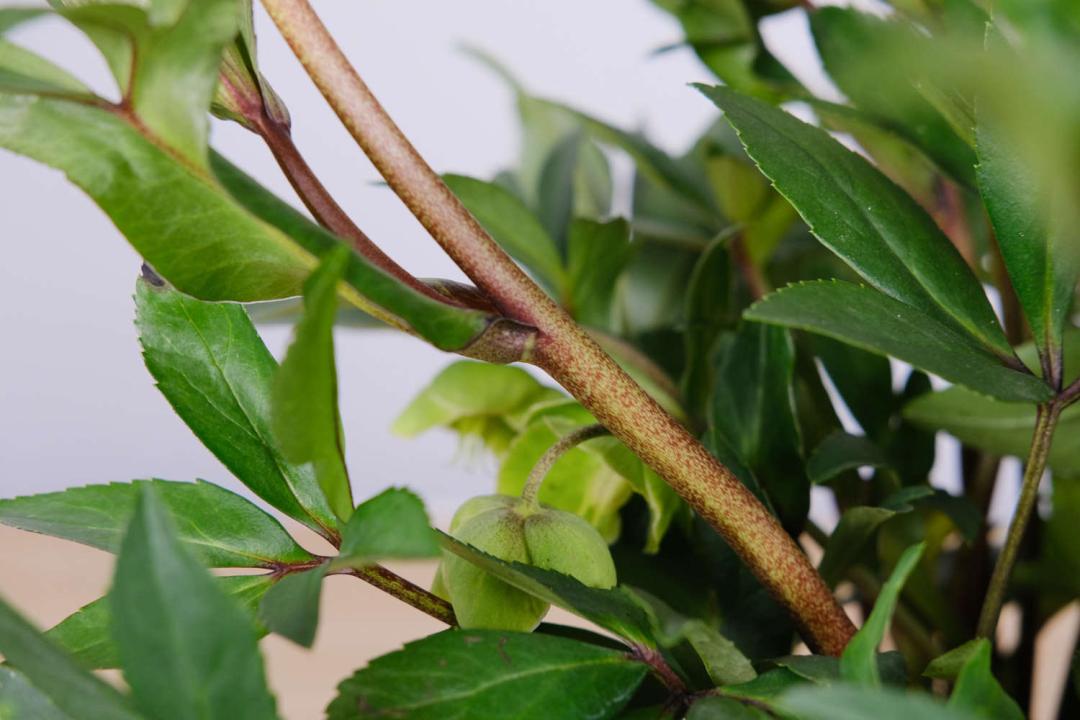
A quieter summer period need not mean the plant is dying. Check soil moisture and protect against severe drying without keeping the crown waterlogged. Divide only when needed and at a suitable time for the identified species or hybrid.
Related reading
Hellebore Types: Leaves, Flowers and Seasonal Growth